


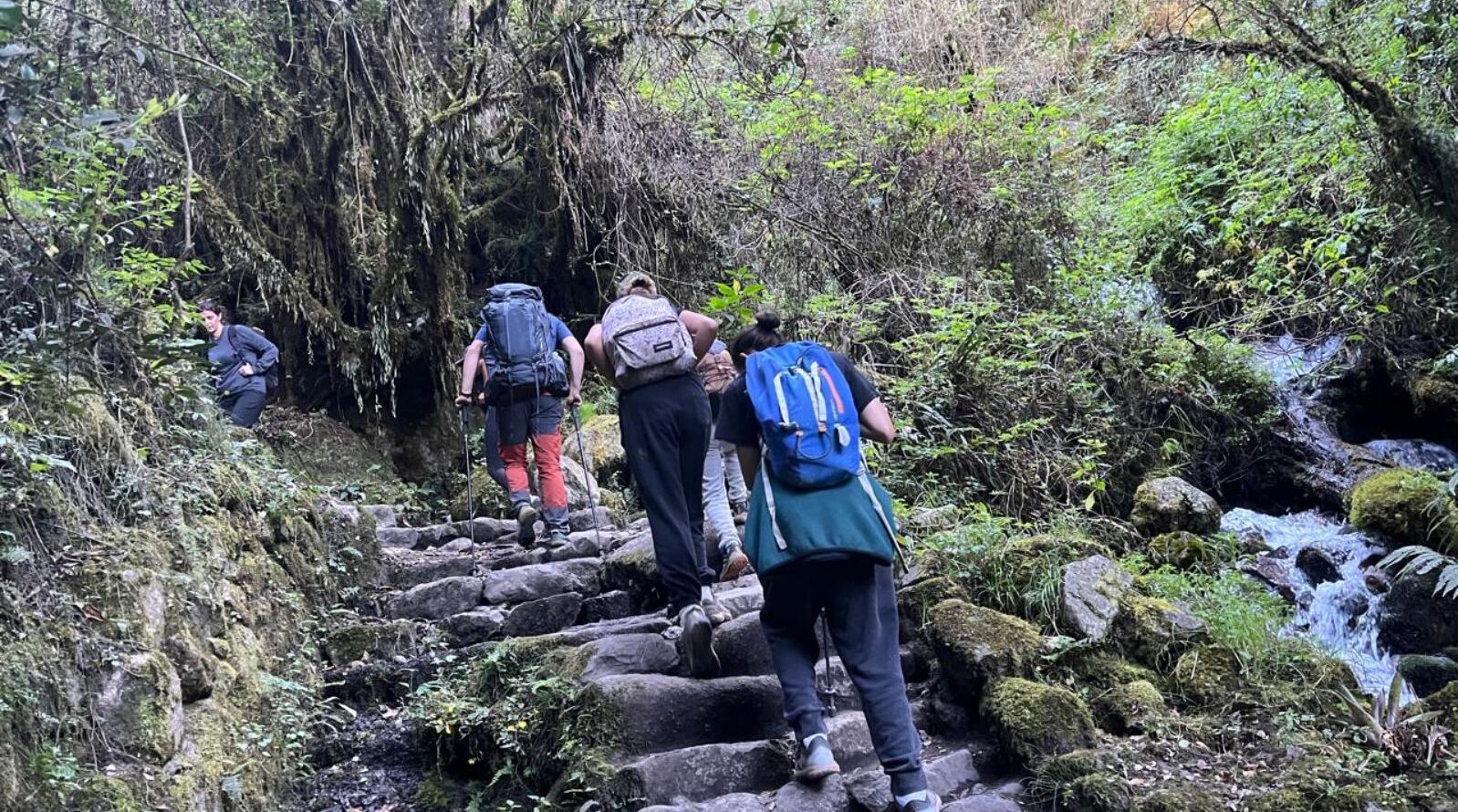
The question is not whether the Inca Trail is only for athletes. It is not. People who walk regularly, spend a few days in Cusco, and are willing to go at their own pace complete it. What usually goes wrong is not a lack of medals: it is starting the trek the day after landing.
If you can already hike for several hours, go down steps calmly, and sleep in a tent, the 4-day classic is within your reach. If you prefer lower altitude and a hotel bed, the 2-day short trek is also a real Inca Trail experience: the same ancient path and entry through the Sun Gate. This page helps you choose the version you will enjoy.
It is right for you if…
It is right for you if you walk regularly, are not afraid of a long climb, and can sleep two or three nights in Cusco or the Sacred Valley before setting off. You do not need mountain skills or climbing gear. You need stamina and the desire to get there, not to win the stage.
It is also right for you if you know the second day demands more from your lungs and that stone descents work your knees. The guide sets the group’s pace. You stop whenever you need to. That is how most people finish it.
And if you are still unsure…
If you have not walked in months, if your knee already complains on a staircase, or if you only have one night in Cusco, do not throw away your booking: change the plan. Acclimatize for more days or choose the 2-day short trek. Less altitude, one day of hiking, and a hotel night. You still walk on the original trail.
The same goes if tents are not your thing or if rain puts you in a bad mood. The short trek exists so you can still do the trek, not so you stay on the train.
What really tires you out
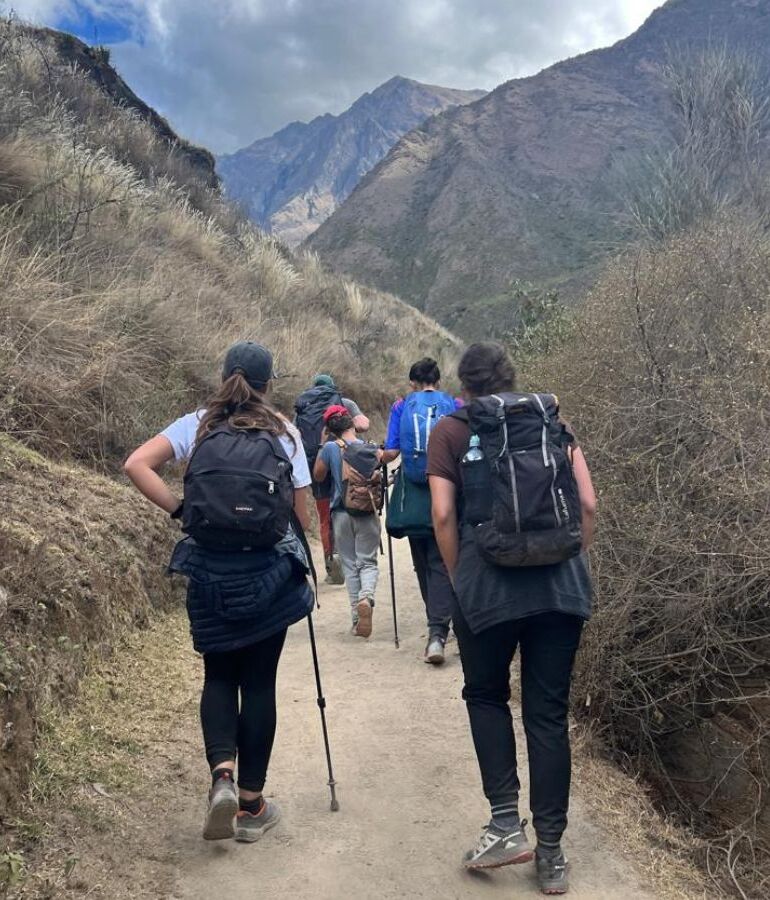
It is not just one monster. It is three things together: thin air, elevation gain, and four consecutive days. Separately, they are manageable. Together, you feel them.
The altitude
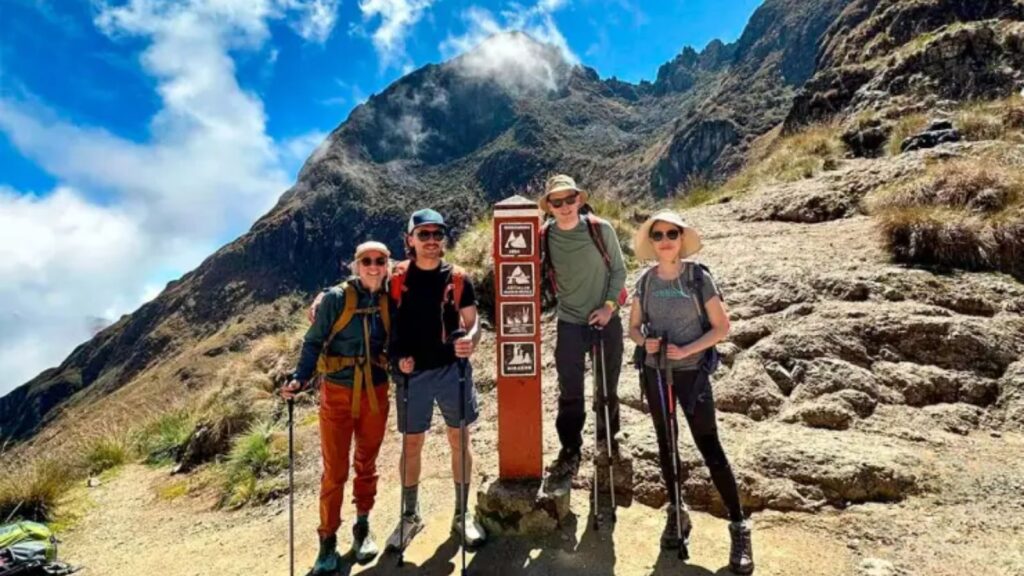
Warmiwañusca, Dead Woman’s Pass, rises above 4.200 m. Your chest works harder there. It can affect you even if you are fit. You can do well without being a runner. What makes the difference is sleeping in Cusco or the Sacred Valley for at least two nights beforehand.
The second day
That day, you climb to the pass. It is the one people remember. The trap is trying to go fast. Better to go slowly and steadily, stop, and breathe. Once past the pass, the trek eases up. The tiredness does not disappear, but it is no longer that climb.

The descents
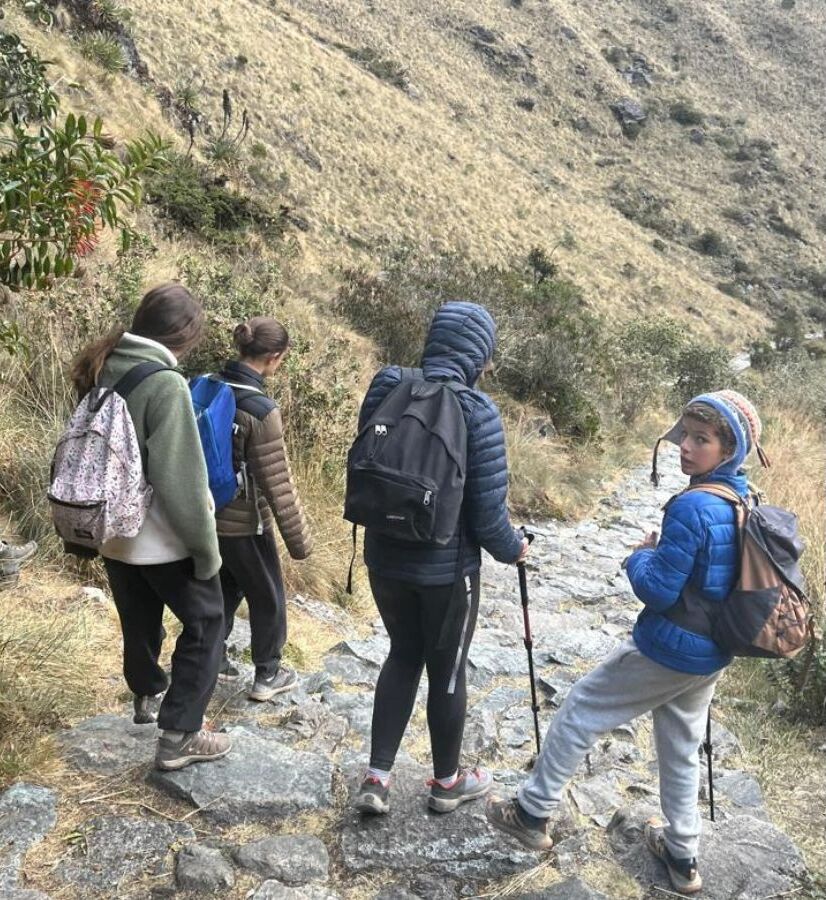
Climbing tires your lungs. Descending tires your knees. On the Inca Trail, you notice it especially after Warmiwañusca: hours of uneven stone steps, sometimes wet, with your daypack pressed against your back.
Your body brakes at every step. Your thigh supports the weight, and your knee absorbs the impact. Those who only trained uphill or on a treadmill at the gym often reach the pass feeling fine and start complaining on the descent. It is not a lack of determination. It is a different kind of effort.
Three things make this section easier. Well-worn hiking boots with grippy soles: new shoes on the first day are a sure way to get blisters. Trekking poles: they distribute the weight and keep your knees from taking every step alone; if your agency includes them, use them even if they feel strange at first. Descend slowly: the group gains nothing if you reach camp limping.
What to do in the weeks before
Walk. Go up and down stairs. Build a little endurance. You do not need a marathon training plan. Your body simply needs to remember what a long day feels like. And leave yourself days in Cusco. Starting the trek on the same day you land is the most common mistake.
If the classic trek feels too demanding
The 2-day Short Inca Trail starts at km 104. It does not go through Warmiwañusca. You sleep in a hotel. You still enter through the Sun Gate. For sensitive knees, limited time, or no desire to camp, it is the honest option. The 4-day classic trek is for those who want the full route and arrive with good endurance.
Frequently asked questions
Is the Inca Trail right for me?
If you walk regularly, acclimatize in Cusco, and accept a tougher second day, the classic trek is usually manageable. If not, consider the 2-day option.
Do I need to be very fit?
No. You need to be active. Someone arriving straight from the couch and the plane will have a harder time than someone who walks three times a week.
Which section is the hardest?
The climb to Warmiwañusca, on the second day of the classic trek, above 4.200 m.