Everything about the Inca Trail to Machu Picchu, explained easily.
Find clear information to prepare your adventure: permits, routes, difficulty, weather, best time to go, luggage, acclimatization, itineraries, and practical tips before hiking the Inca Trail.
Inca Trail Planning
Before traveling to the Inca Trail
Reservations and permits for the Inca Trail 2027
List of authorized agencies for the Inca Trail 2027: how to choose the best one

Budgets and costs of the Inca Trail
The Inca Trail and its routes
What is the Inca Trail? General Guide
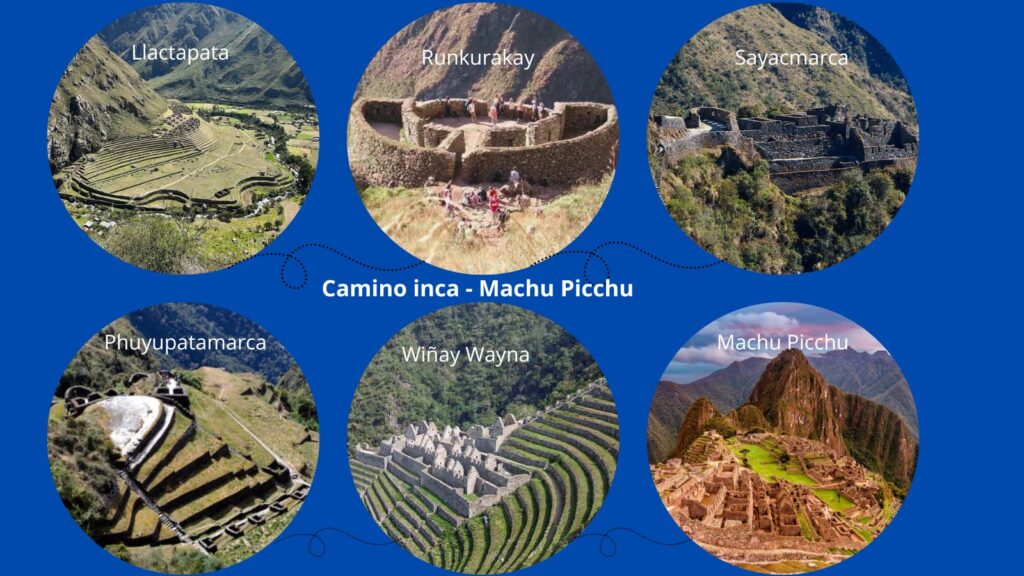
Long stay routes on the Inca Trail (Routes: 01, 02, 03, and 04)
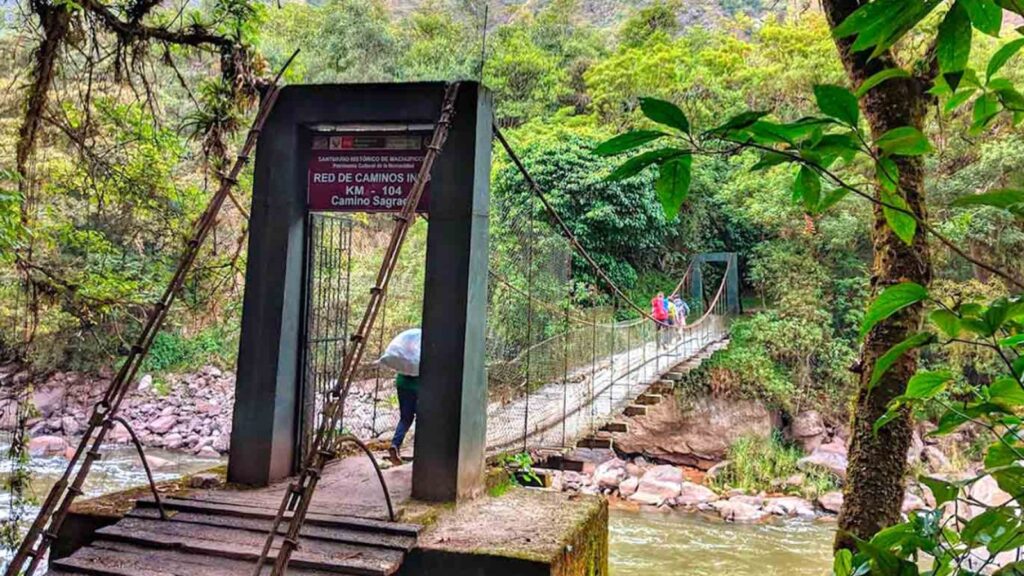
Short Stay Route (Route 05)
New Route Enabled (Route 06)
Health, Physical Preparation, and Acclimatization for the Inca Trail
Physical condition to do the Inca Trail
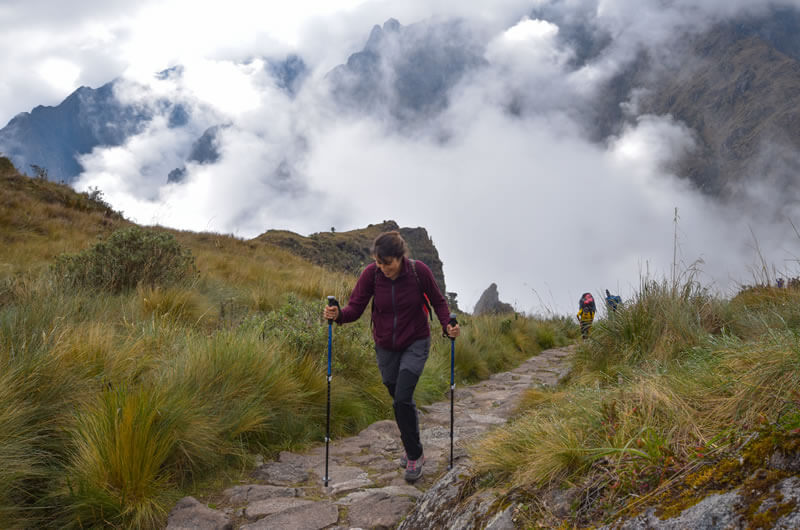
Physical Preparation: The prior training plan
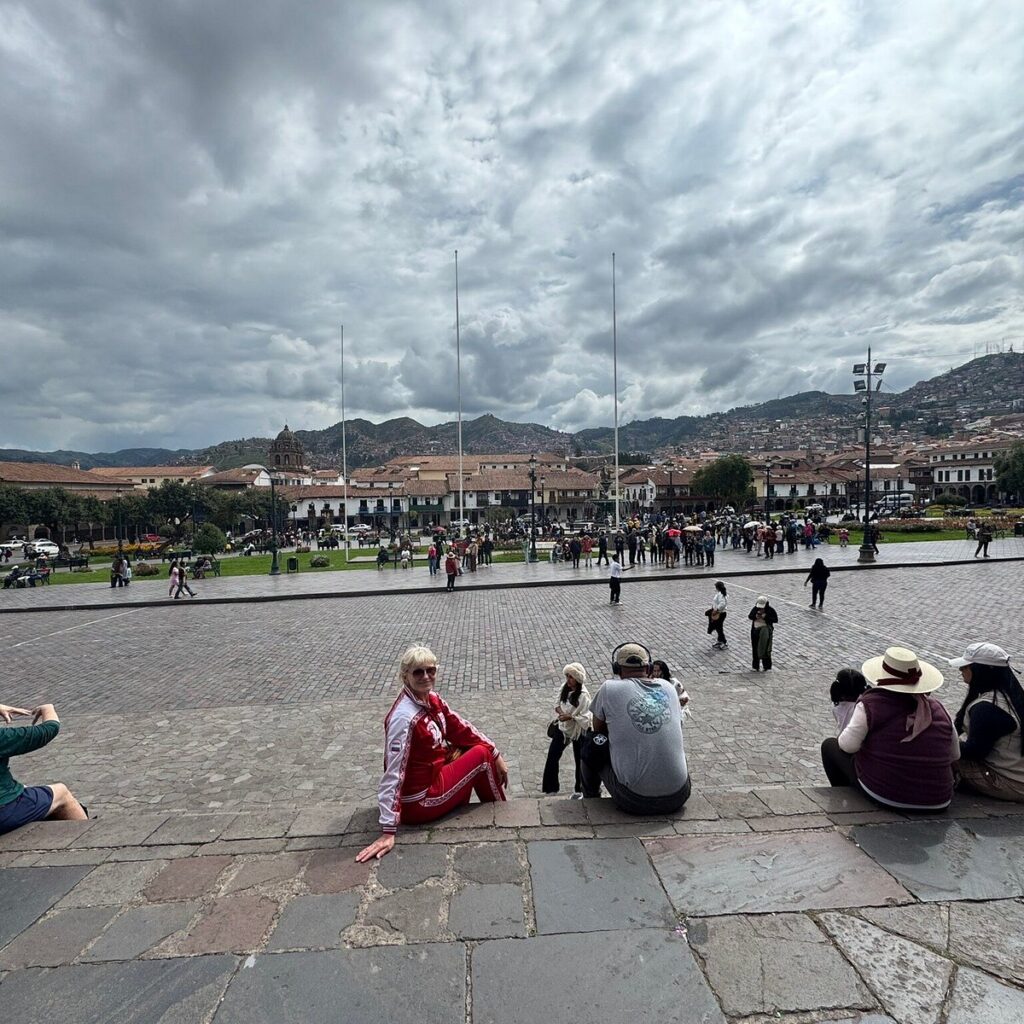
Acclimatization, the secret to a successful hike
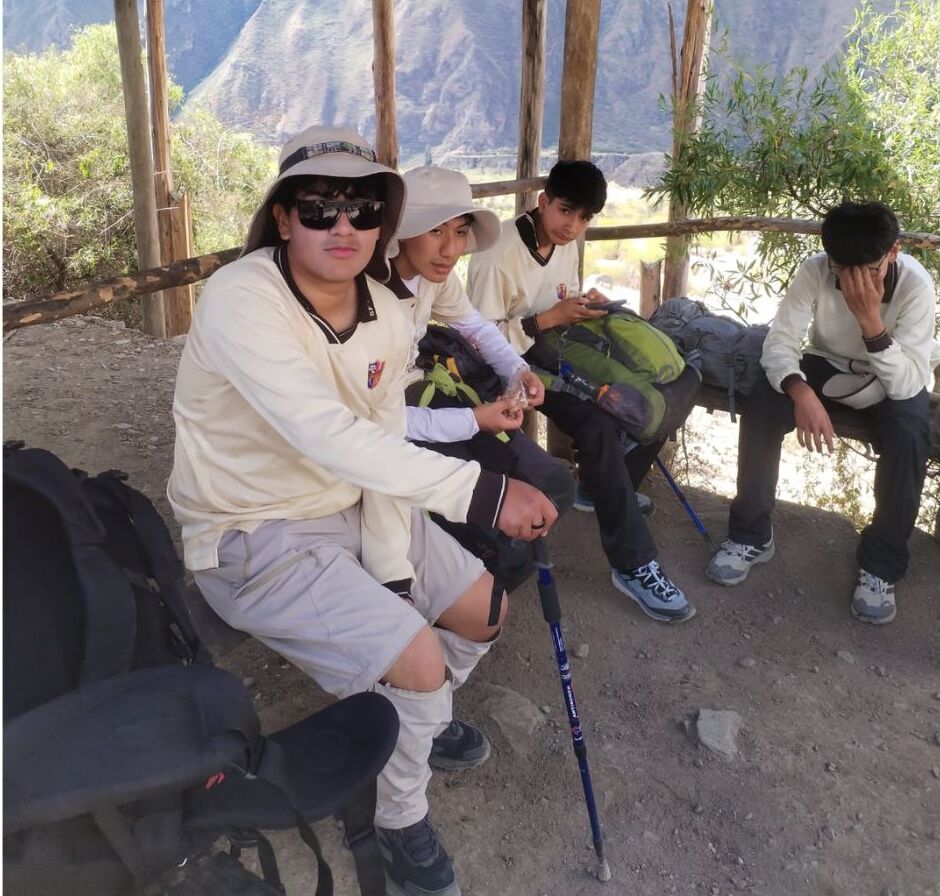
Health, Preparation, Difficulty, and Safety on the Inca Trail
Altitude Sickness on the Inca Trail: Prevention and Recommendations
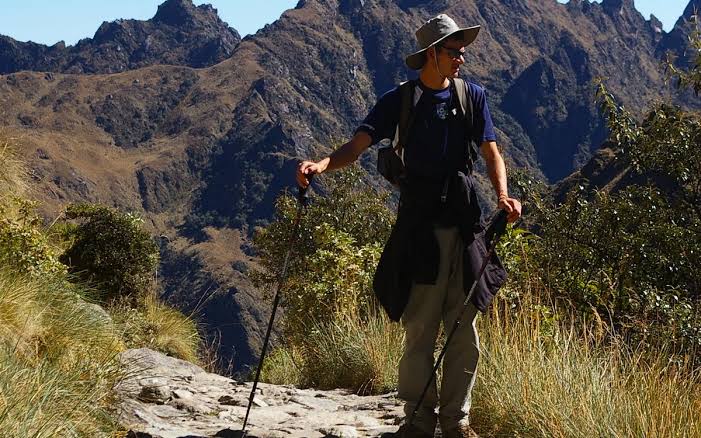
The Weather on the Inca Trail
Weather on the Inca Trail
Inca Trail Rainy Season: What to Expect During the Trek
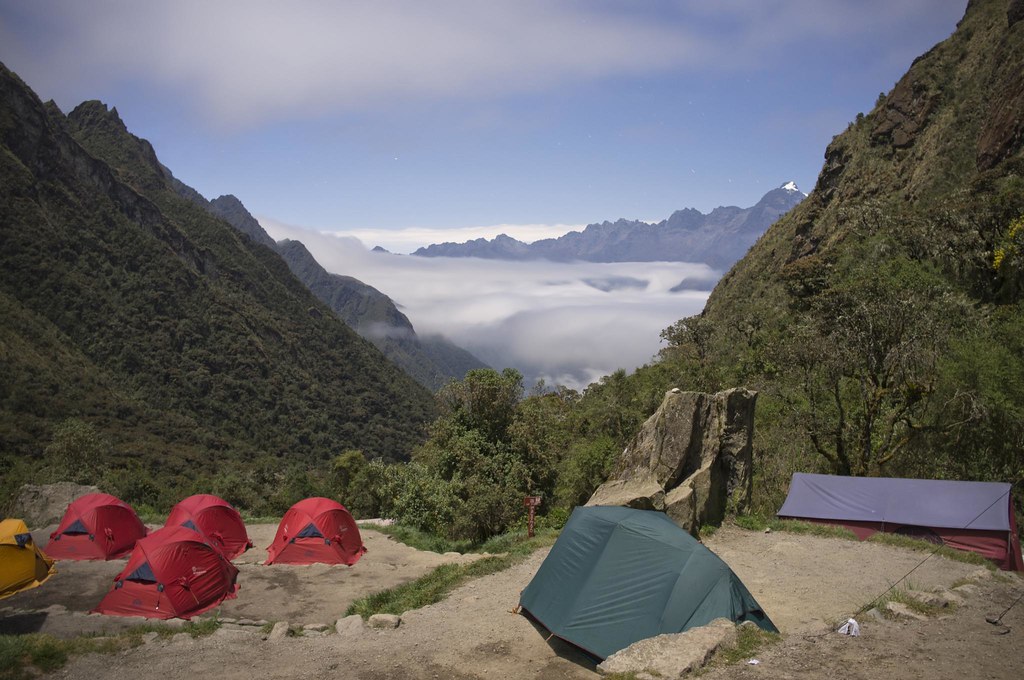
Services on the Inca Trail route
Campsites on the Inca trail
Local shops on the Inca Trail
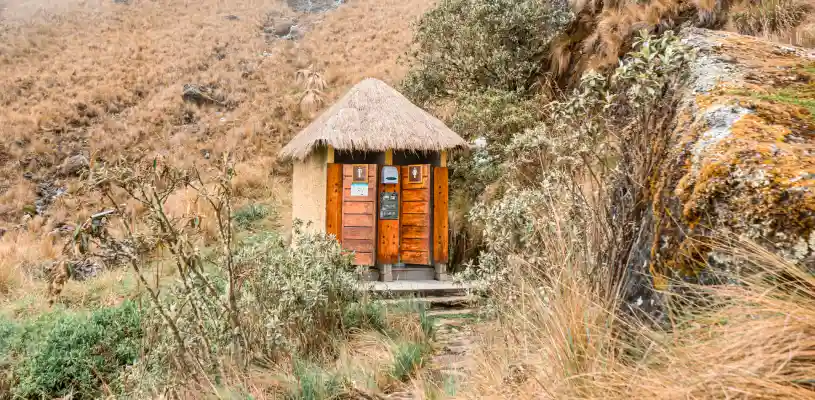
Restrooms and showers on the Inca Trail
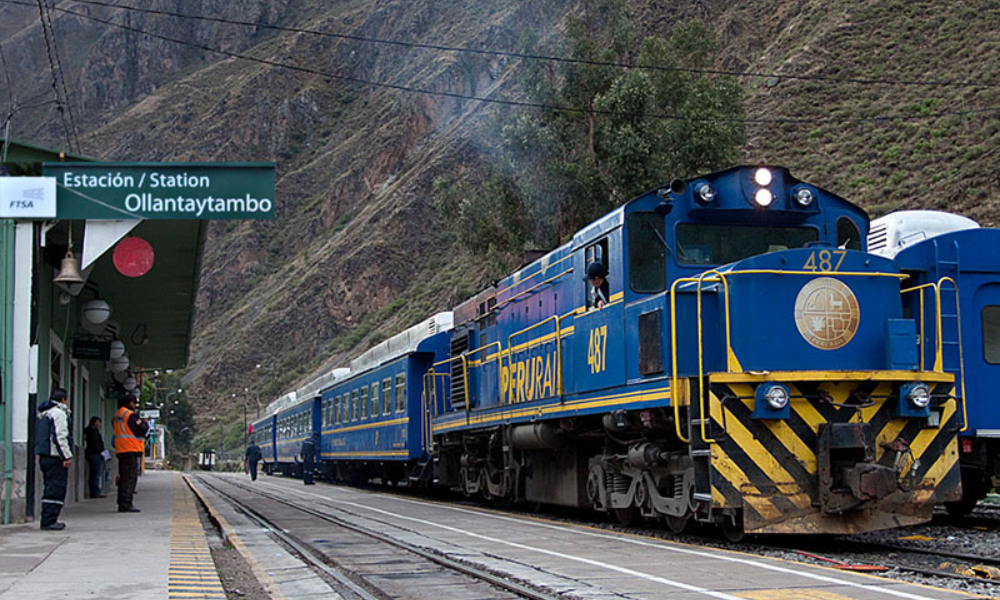
Stations and transportation on the Inca Trail
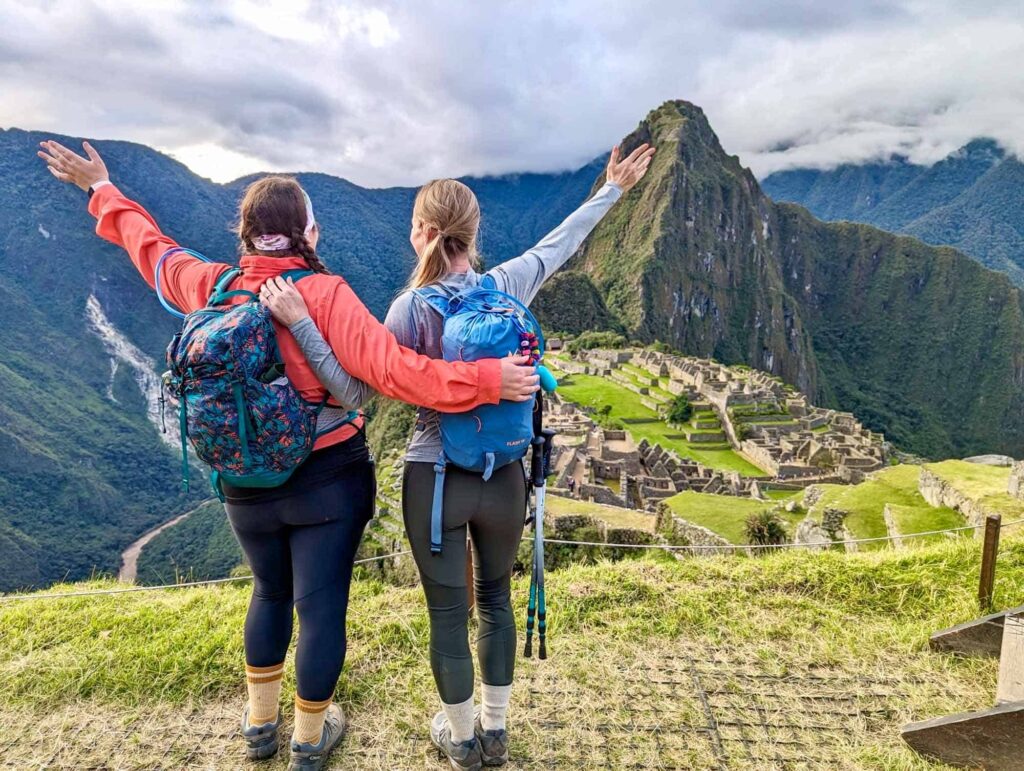
Useful information for your trip on the Inca Trail
The luggage: What to bring on the Inca Trail
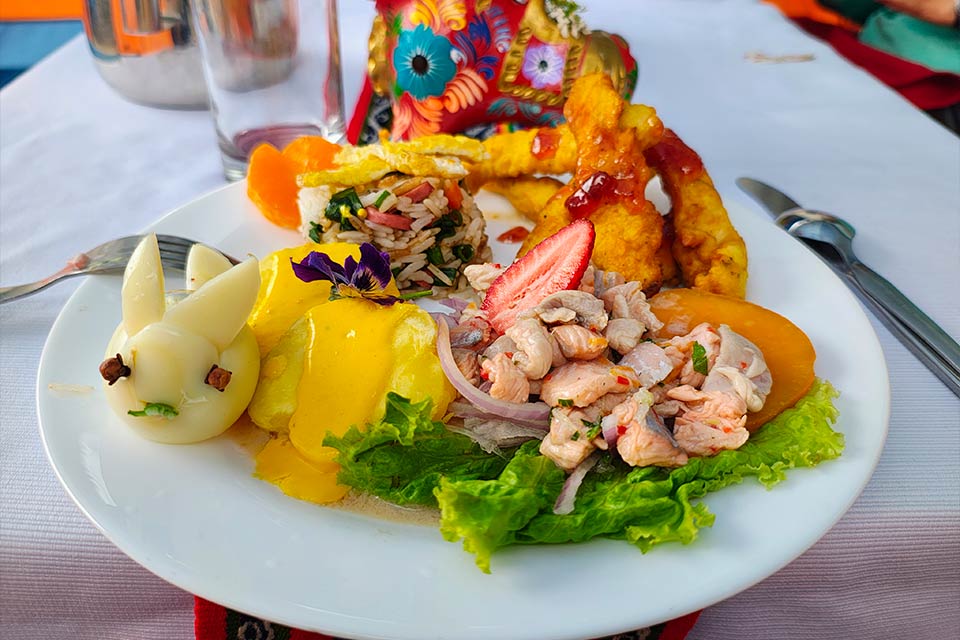
Gastronomy on the Inca Trail route

Water and hydration during the Inca Trail
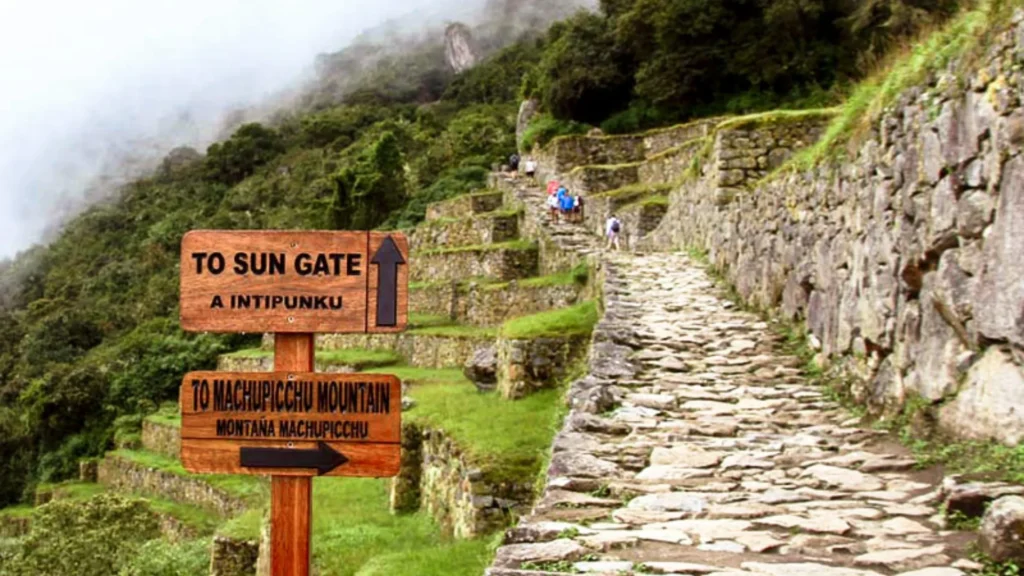
Culture, History, and Biodiversity
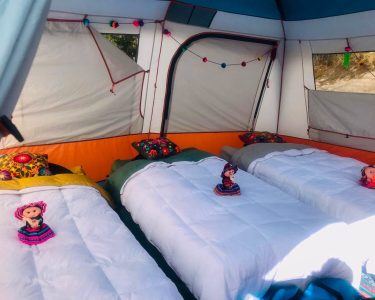
Recommended tours for the Inca Trail
After informing the user, only clear options to book the Inca Trail are shown without the page feeling too commercial.
What our trekkers say
QUIENES SOMOS
+15
Years of experience
100% Local Peruvian Operator
We are Incredible Peru Tours, a local agency in Cusco specialized in Inca Trail tours to Machu Picchu. We organize experiences with certified guides, complete logistics, official permits, and personalized attention for each traveler.
As direct operators, we take care of the important details of your trip: transportation, food, camping, entrance tickets, and assistance along the route.
✓ Certified guides
Experts on the Salkantay route
✓ Guaranteed departures
Tours organized from Cusco
✓ Responsible tourism
Support for local communities
✓ Direct price
No hidden intermediaries
Frequently asked questions
What is the maximum altitude of the Inca Trail?
The highest point of the classic 4-day route is the Warmiwañusca pass, at 4,215 m a.s.l. The route goes from that maximum at Warmiwañusca to a minimum of 2,040 m a.s.l. in Aguas Calientes, and the start at kilometer 82 is around 2,600 m a.s.l. That altitude difference makes the second day concentrate the greatest physical effort of the trek. If you do the 2-day version, which starts at kilometer 104, you do not pass through Warmiwañusca and the maximum altitude is much lower.
What to expect at the highest point of the route?
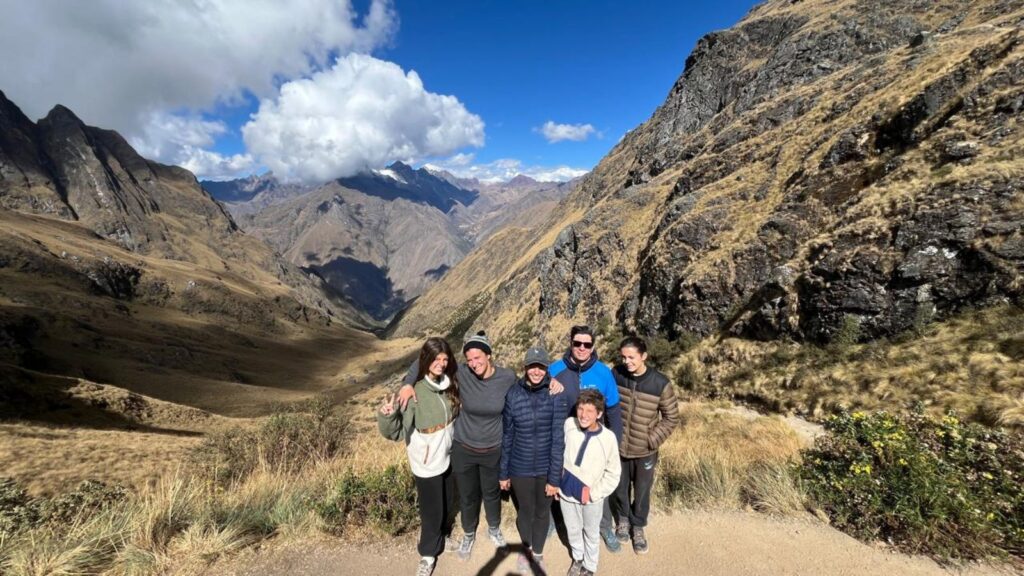
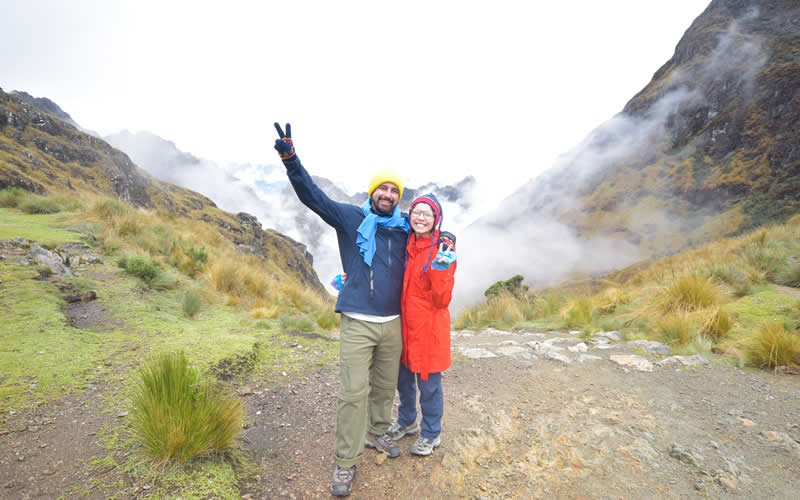
You reach Warmiwañusca, also known as Dead Woman’s Pass, during the morning of the second day, after climbing from the Wayllabamba campsite. The section from Wayllabamba is steep and demanding due to the lower amount of oxygen, so it is advisable to bring clothes for temperature changes and energy foods. The climb usually takes between 4 and 5 hours depending on your pace.
Illapa
At the top you will find wind, cold, and sometimes fog, even if it is sunny in the valley. Keep a windbreaker jacket handy in your daypack, because your body cools down fast when you stop. After the photo and a short rest, a descent on stone steps begins to the Pacaymayo campsite, near 3,600 m a.s.l., where the effort passes from your lungs to your knees. Trekking poles help you a lot in that section.
Some mild symptoms like a headache or shortness of breath are normal at that altitude. Let your guide know if they become intense.
Who are the porters of the Inca Trail?
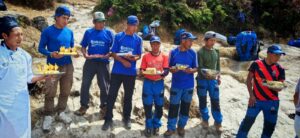
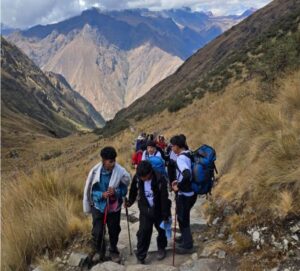
The porters are men and women, mostly from Quechua-speaking rural communities in Cusco, who carry the group’s equipment: tents, kitchen, food, gas, and tables. On the Inca Trail the use of pack animals is forbidden, that is why their work is indispensable. They also set up and take down the campsites, and some perform the role of cooks.
Since 2022 their work is regulated by Law No. 31624, the Porter Worker Law. Among its main points:
- Minimum age: only people over 18 years old can work as porters.
- Weight limit: the maximum load is 20 kg for male porters and 15 kg for women. This weight is checked at the checkpoints along the route.
- Payment: the minimum remuneration is equivalent to 3% of an ITU per daily shift, and the porter who cooks receives an additional 30%. In 2026 that means a minimum of S/ 165 per day.
- Work hours and rest: a maximum of 48 hours per week and 5 days of rest between trips.
- Conditions: the operator must provide them with adequate food, clothing, a lumbar belt, sleeping gear, and occupational risk insurance.
The law exists, but compliance is not the same in all agencies. A price well below the average almost always means that someone in the chain, often the porter, is paying the difference. Before booking, ask how many porters your group is taking, how much each one earns per day, and if they have active insurance during the trek.
Is there cell phone signal on the Inca Trail?
On most of the route, no. You have a signal at kilometer 82 when starting and then you lose it almost completely. The campsites do not have electricity, internet, or coverage, and in areas like Pacaymayo the signal is zero. At some high points on the third day, an intermittent signal may appear, depending on the telephone operator and the weather, but do not count on it. You regain a stable connection upon arriving in Machu Picchu and Aguas Calientes.
Let your family know before leaving that you will be without communication for 3 to 4 days, and download maps, music, or reading material before the trip. Bring a power bank, because there is nowhere to charge your cell phone.
What happens in case of a medical emergency?
Your guide is the first response. Authorized operators carry a first aid kit and an oxygen tank, and the guides are trained in first aid and altitude sickness management. Since there is no cell phone signal, they communicate with the office in Cusco via radios or satellite phones.
If the situation requires it, the transfer depends on the section you are on. The first section is almost always done on foot or on a stretcher with the help of the porter team to the nearest access point, and from there it continues by train to Ollantaytambo or Aguas Calientes, where the nearest health posts are. In severe cases, a helicopter evacuation to Cusco is coordinated, although it depends on the weather and there being a safe place to land.
If altitude symptoms worsen (confusion, loss of coordination, persistent cough, or difficulty breathing at rest), the most effective measure is to descend. That is why it is important that you inform the guide of any medical condition before starting and that you purchase travel insurance that covers trekking above 4,000 meters and evacuation.
How much weight can a porter carry for me?
If you hire an extra porter for your personal luggage, most agencies set a limit of 6 to 7 kg per traveler, including a sleeping bag and a mat. That limit exists to respect the maximum load that the law allows each porter.
How much should I tip the porters?
Tipping is not mandatory, but it is a deeply rooted custom on the Inca Trail. It is given on the last day, normally in a small meeting with the whole team, and is divided between porters and the cook. Your guide can guide you on an appropriate amount for your group.
How to prepare for the altitude before the Inca Trail?
Spend at least 2 or 3 days in Cusco or the Sacred Valley before starting, drink plenty of water, and avoid alcohol the first nights. Some short walks around the city or its surroundings help your body adapt before the second day.