


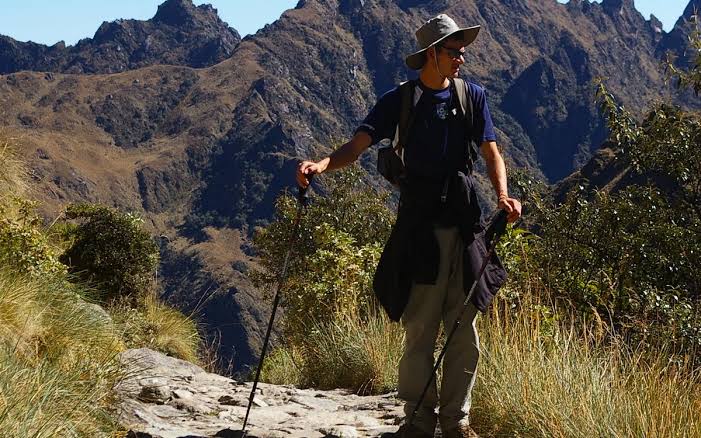
Knowing the weather on the Inca Trail each month helps you choose the right date for your hike and pack properly. This route has two main seasons: the dry season and the rainy season. There are also transitional months when sunny days and occasional rain can occur.
The following table provides a simple overview of typical weather conditions throughout the year.
| Month | Season | Weather conditions | Recommendation |
|---|---|---|---|
| January | Rainy season | Rain is frequent and the landscape is lush and green. The trail may be muddy, damp, and slippery. | Bring waterproof clothing, a backpack cover, and trekking footwear with good grip. |
| February | Inca Trail closure | It is one of the rainiest months of the year. The Inca Trail remains closed throughout the month for maintenance and conservation work. | Choose an alternative route to Machu Picchu or reschedule your hike for another month. |
| March | Rainy season | Rain is still common, especially during the first few weeks. The landscape remains green, and rainfall gradually decreases. | Bring waterproof gear and be prepared for sudden weather changes. |
| April | Transition to the dry season | Rain decreases and more clear days appear. The vegetation still retains the lush greenery of the previous months. | It is a good option for finding green landscapes and more stable conditions. |
| May | Dry season | Days are usually sunny and rain is infrequent. Nights begin to get colder. | Bring sun protection and warm clothing for evenings and early mornings. |
| June | Dry season | The weather is dry and stable, with clear days and great views. Nights can be very cold at higher-elevation campsites. | Bring thermal clothing, gloves, a hat, and a suitable sleeping bag. |
| July | Dry season | It is one of the driest months of the year. Days are usually sunny, and early mornings are quite cold. | Book in advance and pack clothing for low nighttime temperatures. |
| August | Dry season | Dry, clear days continue. Solar radiation can be intense during the day, while nights remain cold. | Use sunscreen, a hat, sunglasses, and warm clothing. |
| September | Dry season | The weather remains favorable, although occasional rain may appear toward the end of the month. | It is a recommended month for hiking with good conditions and pleasant daytime temperatures. |
| October | Transition to the rainy season | Cloud cover increases and occasional rain begins. You can still find several clear days. | Bring sun protection and a waterproof jacket due to changing weather conditions. |
| November | Start of the rainy season | Rainfall becomes more frequent, and the landscape begins to regain its green color. | Waterproof gear and suitable footwear for wet surfaces are essential. |
| December | Rainy season | Rain is frequent and humidity is high. Some parts of the trail may be muddy and have slippery stones. | Bring a poncho, waterproof bags, a change of clothes, and footwear with good grip. |
Inca Trail season summary
| Season | Months | Main characteristics |
|---|---|---|
| Dry season | From May to September | Sunnier days, little rain, great views, and cold nights. |
| Transitional months | April and October | A combination of clear days, cloud cover, and occasional rain. |
| Rainy season | From November to March | Frequent rain, higher humidity, green landscapes, and slippery trails. |
| Maintenance closure | February | The Inca Trail remains closed throughout the month. |
What is the best time to hike the Inca Trail?
The months from May to September are recommended for travelers looking for drier days, clear views, and better hiking conditions. However, nights are colder during this season, and there is greater demand for permits.
March, April, October, and November are alternatives for those who prefer green landscapes and fewer travelers. During these months, it is important to be prepared for occasional rain.
January and December also allow for hiking, but rain is more frequent. February is not available because the Inca Trail is closed for maintenance.
Recommendations for any month
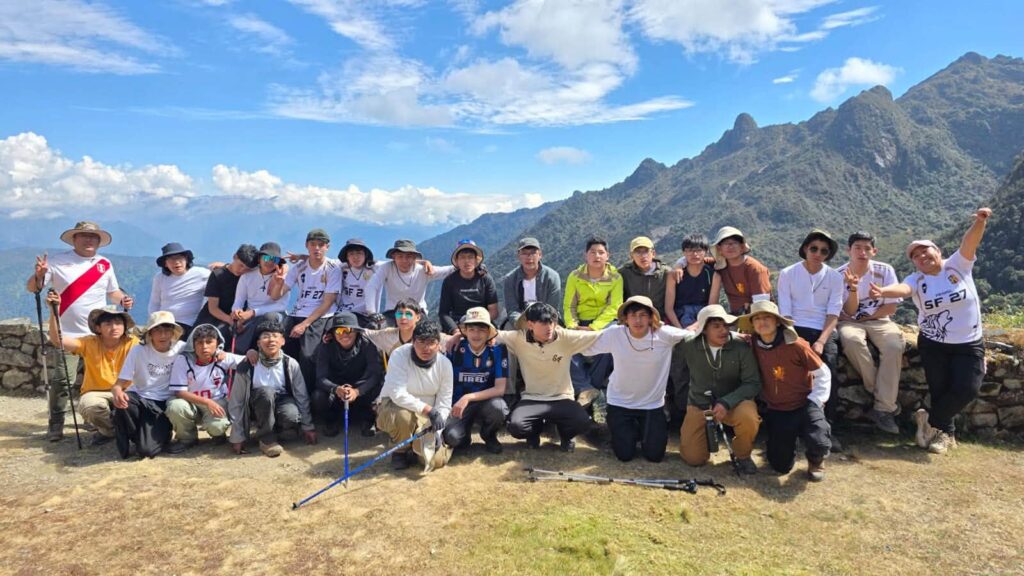
Weather in the Andes can change quickly. Even during the dry season, unexpected rain may occur. For this reason, it is recommended to bring layered clothing, sun protection, a waterproof jacket, trekking footwear, and warm clothing for the nights.
The 4-day Classic Inca Trail and the 2-day Short Inca Trail operate for most of the year, except during the annual February closure.