


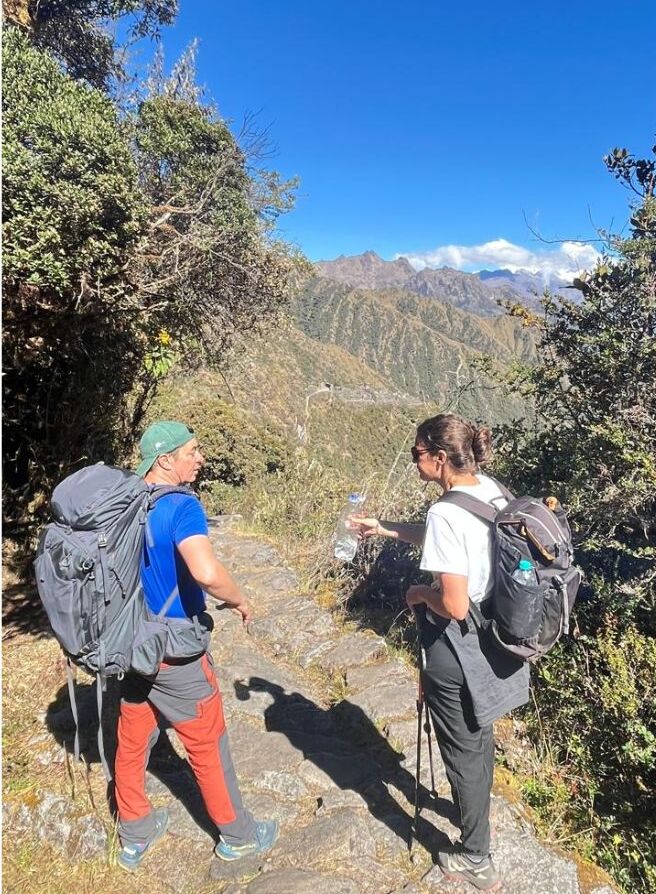
Staying well hydrated is one of the keys to completing the Inca Trail without exhaustion or altitude sickness. In the dry puna and with the constant effort of climbing stone steps, your body loses fluids faster than you think, even when you do not feel hot. Knowing where the water comes from and how to treat it helps you avoid problems along the trail.
Why hydration is critical at high altitude
At high altitude, you breathe faster and the air is drier, so you lose water simply by breathing. Add to that the sweat from physical exertion. Dehydration worsens altitude sickness symptoms: headaches, fatigue, and nausea. Drinking consistently helps your body adapt better.
How much water you need
During hiking days, it is best to drink between 3 and 4 liters per day. Do not wait until you are thirsty: thirst is already a sign that you have started to become dehydrated. Take small sips continuously throughout the day.
Where the water comes from on the trail
On the Inca Trail, there are no shops or bottled water sales points along the route, except on the first day. Water logistics work differently.
The first day
At the starting point and in some villages near Km 82, you can still buy bottled water. It is your last opportunity to restock by purchasing it, so many hikers carry enough water to get started.
The following days
From the first campsite onward, the cooking team boils water for the group. Every morning and during breaks, they provide treated water to refill your bottles. This is the main source of hydration for the rest of the trek.
Water boiled by the team
The cook boils water from natural sources along the route, making it safe to drink. It is provided warm or cold depending on the time of day. Keep your bottles handy when the team lets you know the water is ready.
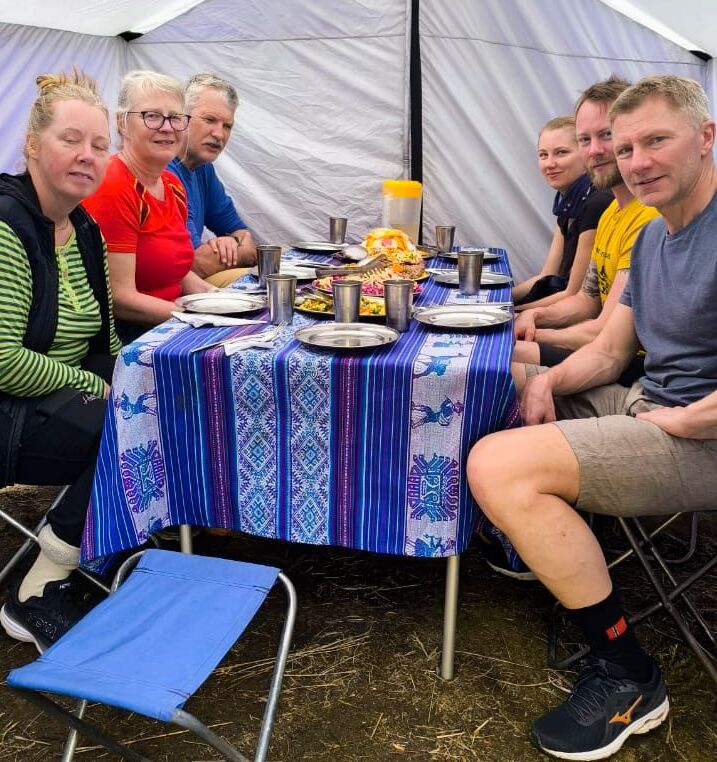
How to treat water yourself
Although the team provides boiled water, bringing your own treatment method is useful backup, especially if you refill from streams between stops.
Recommended methods
Water purification tablets
Lightweight and easy to use. They dissolve in your bottle and eliminate microorganisms within minutes. They are the most practical option in terms of weight.
Portable filters
Filter bottles or straws that clean water as you drink. Practical, although somewhat heavier.
UV light or boiling
UV purifiers work well, and boiling remains the most reliable method when you have access to the cooking team.
What to bring to stay hydrated
The system you choose to carry water affects how much you actually drink while hiking.
Carrying options
- Camelback-style hydration system, convenient for drinking without stopping
- Durable reusable bottles (1 liter each)
- A combination of both to cover the 3 to 4 liters needed each day
An environmental reminder
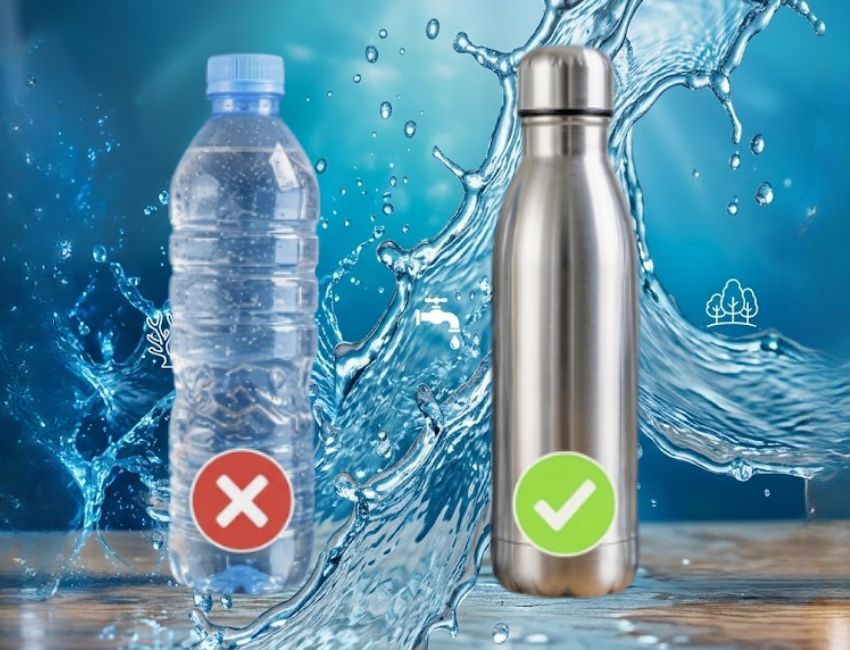
The Inca Trail is a protected area, and single-use plastic is discouraged. Reusable bottles reduce your waste, and everything you bring in must be carried back out with you. Avoid carrying dozens of disposable bottles.
Drinks that help on the trail
Besides water, other drinks support your hydration and energy.
Helpful allies during the trek
- Coca tea, which hydrates and helps with altitude
- Hot infusions at afternoon tea
- Rehydration salts or electrolytes to replace minerals lost through sweating
Electrolytes are especially helpful on the second day, the most demanding one, when you cross Warmiwañusca at 4215 m s. n. m.