


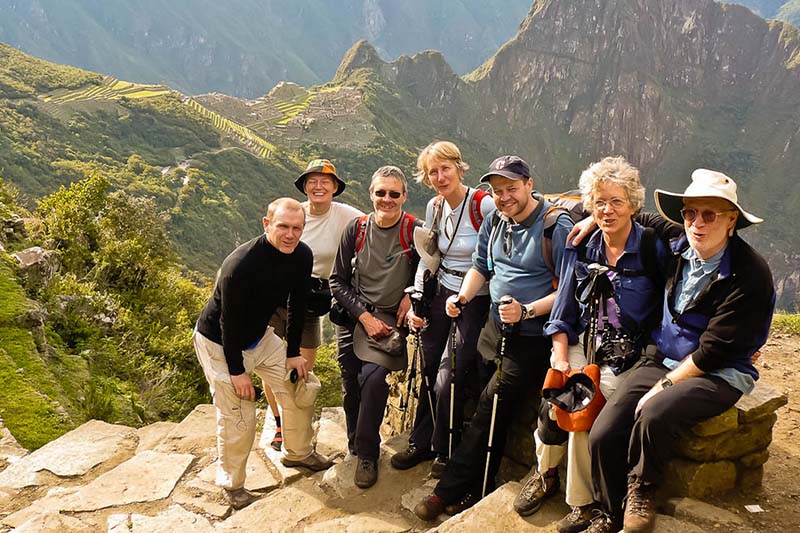
Age alone is not a barrier to hiking the Inca Trail. Every year, healthy seniors complete it, and the experience is often deeply rewarding. The question is not so much whether it can be done at a certain age, but whether each person’s health and level of preparation make it advisable. Here, you will learn when the Inca Trail is a good option for a senior traveler and what to consider before deciding. This guide is for informational purposes only and does not replace an assessment by a healthcare professional.
Age Matters Less Than Individual Fitness
The first thing to clarify is that there is no age limit determining who can or cannot hike the Inca Trail. What matters is not the number of years, but overall health, physical fitness, and the absence of conditions that could worsen with exertion or altitude.
An active, healthy senior may be better prepared than a sedentary young person. Therefore, rather than focusing on age, the assessment should center on each person’s actual abilities and on what their doctor recommends after a proper checkup.
When It Is Recommended
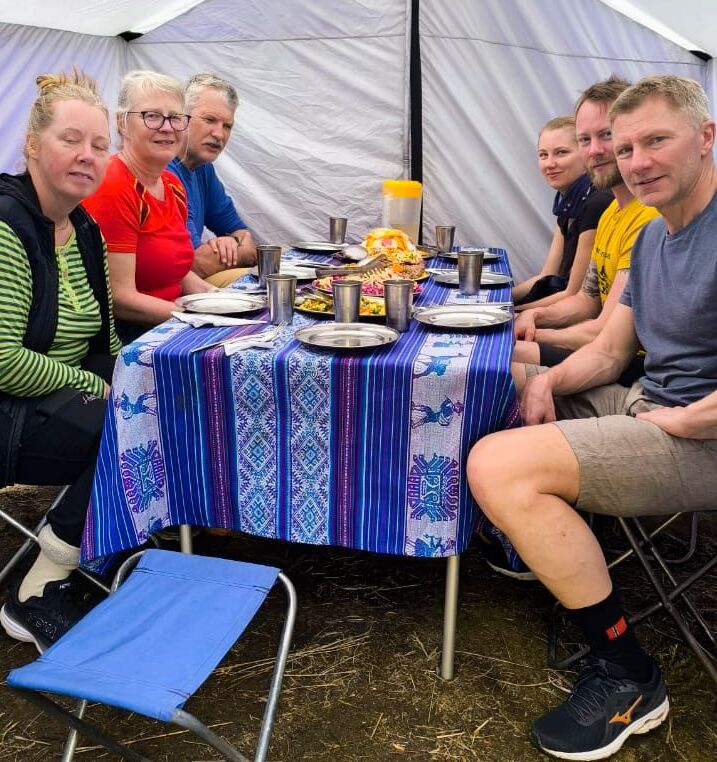
The Inca Trail is generally recommended for seniors who maintain an active lifestyle, walk regularly, and do not have health conditions that altitude or prolonged exertion could complicate. If they are also willing to prepare physically and acclimatize properly, the chances of having a positive experience are high.
It is also recommended when the person understands and accepts that they will move at their own pace, without rushing or comparing themselves to others. A patient and realistic attitude is just as important as physical fitness in helping seniors enjoy the route rather than suffer through it.
When Extra Caution Is Advisable
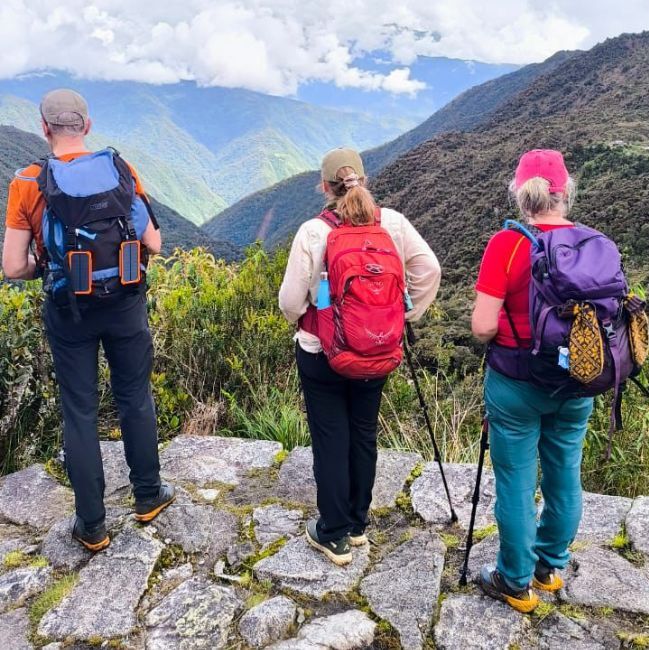
There are situations where it is best to be more cautious or reconsider the option. Heart, respiratory, blood pressure, or significant joint conditions are signs to pause and consult a healthcare professional thoroughly before making any decision, as altitude and exertion may worsen them.
In these cases, it does not necessarily mean giving up, but rather assessing with a doctor whether it is feasible, what precautions to take, or whether a gentler alternative would be more suitable. A responsible decision always begins with an honest evaluation of individual health.
A Pre-Trip Medical Consultation Is Essential
For any senior considering the Inca Trail, a medical checkup before booking is the most sensible step. An evaluation can confirm that the heart, lungs, and joints are ready for high-altitude hiking and provide personalized guidance based on each person’s medical history.
How to Prepare and Increase Your Chances of Success
With medical clearance, preparation makes all the difference. Training with regular walks in the weeks or months before the trip, including uphill routes and stairs, helps the body get used to the type of effort required on the trail. The more gradual and early this preparation is, the better your body will respond.
Acclimatization becomes even more important in this case: arriving in Cusco several days in advance allows the body to adapt to the altitude without rushing. Adding rest days at the beginning and avoiding overexertion during the first few days is an especially valuable strategy for senior travelers.
The Short Version: A More Accessible Alternative
For many seniors, the short version is the most balanced option. The 2-day Short Inca Trail lets you experience the original trail in a single day of hiking, at a lower altitude, without the most demanding mountain passes, and with the comfort of sleeping in a hotel instead of camping for several nights.
This reduces cumulative exertion, exposure to high altitude, and the discomfort of camping, factors that often carry more weight with age. Even so, a fit and well-prepared senior can comfortably take on the 4-day Classic Inca Trail if their doctor approves and they are drawn to the full experience.
Frequently Asked Questions
Is There an Age Limit for the Inca Trail?
There is no established age limit. What matters is not your age, but your overall health, physical fitness, and the absence of conditions that altitude or exertion could worsen. Each case should be assessed individually.
When Is It Recommended for Seniors?
When they maintain an active lifestyle, walk regularly, have no conditions that altitude could complicate, and are willing to prepare and acclimatize. Being ready to hike at their own pace is also key to a good experience.
Should I Get a Medical Checkup Beforehand?
It is highly recommended. A medical checkup before booking confirms that your heart, lungs, and joints are ready for high-altitude hiking and allows you to receive personalized guidance based on your medical history.
Is the Short Version Better for Seniors?
For many, it is the most balanced option, as it reduces cumulative exertion, altitude exposure, and the discomfort of camping. Even so, a fit senior with medical approval can take on the full route if they wish.
How Can I Increase My Chances of Completing It?
With gradual physical preparation before your trip, proper acclimatization by arriving in Cusco several days in advance, and hiking at your own pace without overexerting yourself. A prior medical consultation and a patient attitude complete the formula.