


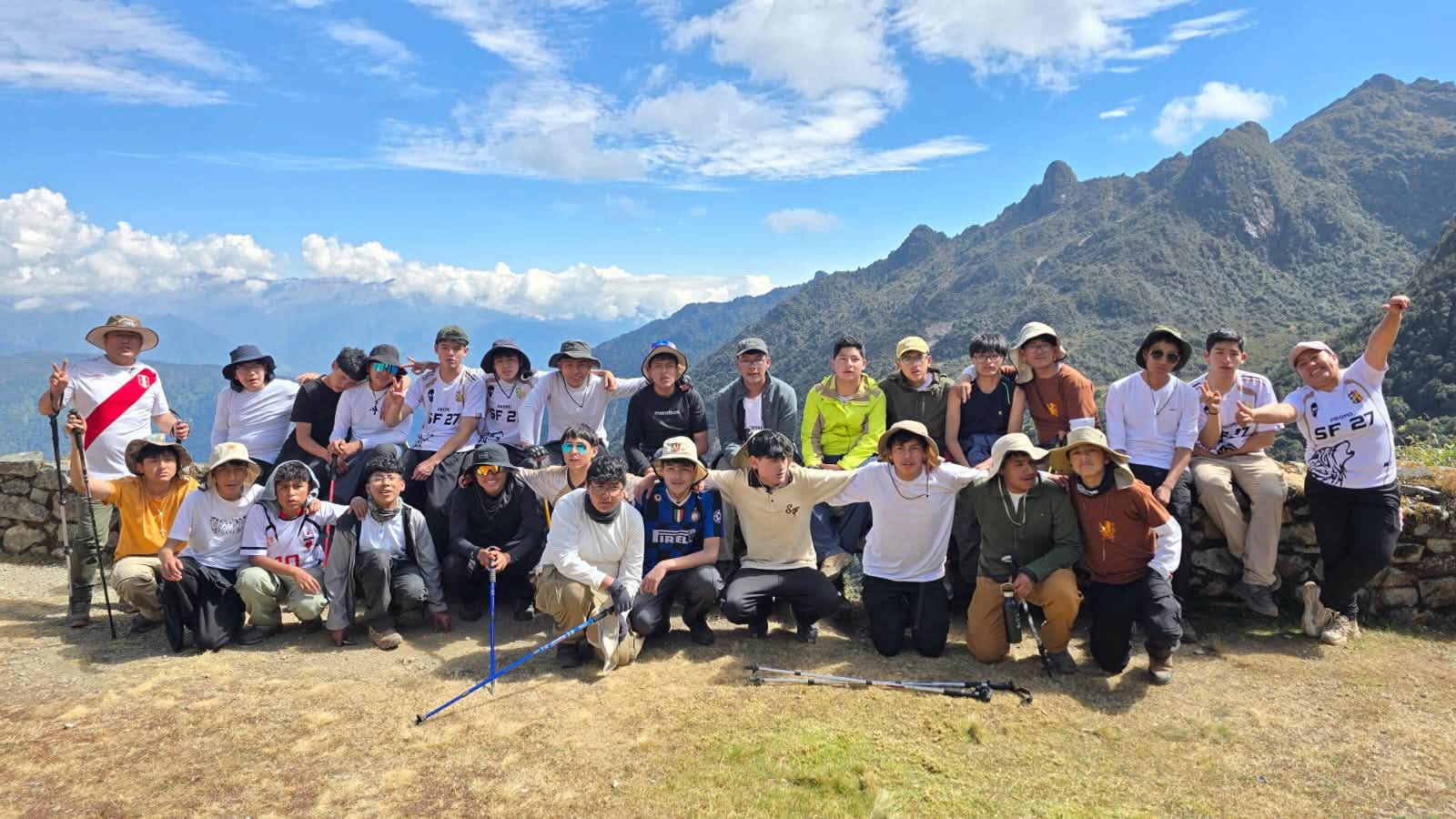
The Inca Trail is governed by official regulations designed to protect the trail and manage visitor flow. Knowing these rules before you travel is no minor detail: some affect how you book, others what you can bring, and others how you must behave along the route. Here are the most important official rules to understand before setting out on the trek.
The daily limit is 500 permits, including support staff
The rule that has the greatest impact on planning is the access limit. There is a cap of 500 permits per day, and that number does not include hikers alone: it also includes the guides, cooks, and porters who make the trek possible. Therefore, the actual number of tourists who can start the trek each day is considerably lower than that figure.
This quota is managed by the Ministry of Culture, the official body that controls access to the trail. Since it is a fixed number that is not increased, it is also why permits for the most sought-after dates sell out months in advance.
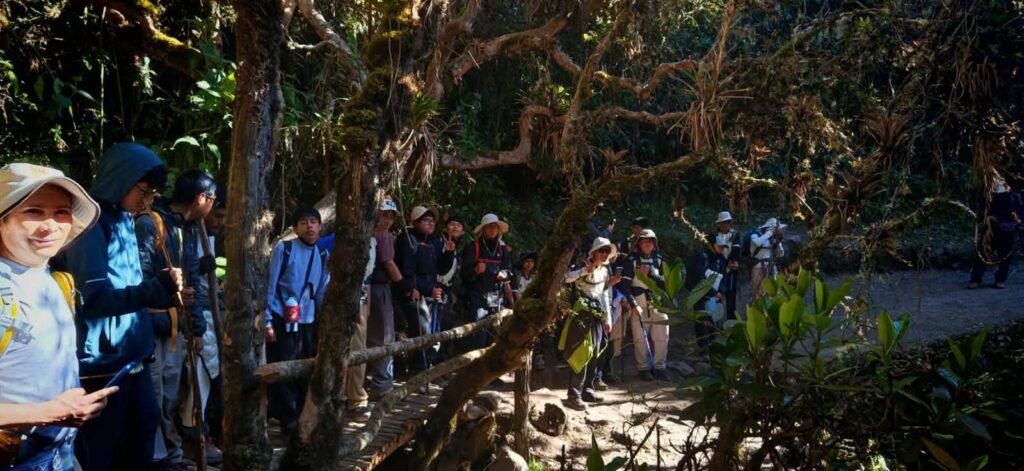
From 2026, entry to the citadel is purchased separately
This is one of the most important and recent changes every traveler needs to know about. From January 1, 2026, the Inca Trail permit no longer automatically includes entry to the Machu Picchu citadel: they are now two separate arrangements that must match on the same date. A Ministry of Culture resolution created a specific permit for those arriving via the Inca Trail Network, which enters the citadel through Circuit 3-B within the approved capacity.
The practical consequence is clear: you need to secure both the trekking permit and entry to Machu Picchu, and both are subject to availability. An authorized agency coordinates both when you book, so you do not finish the trek at the Sun Gate without access to the ruins. This further reinforces why it is best to book with an operator that manages the entire package, whether it is the Classic Inca Trail 4 days or the Short Inca Trail 2 days.
The regulations establish that Inca Trail bookings must be made through an authorized travel agency or tour operator, and that all visitors must be accompanied by a guide. There is no option to hike the trail independently or apply for the permit as an individual.
In addition, group sizes are limited, with a maximum set by the regulations to keep the trek orderly and low-impact. This combination of agency, guide, and limited group sizes is part of the system that protects the trail.
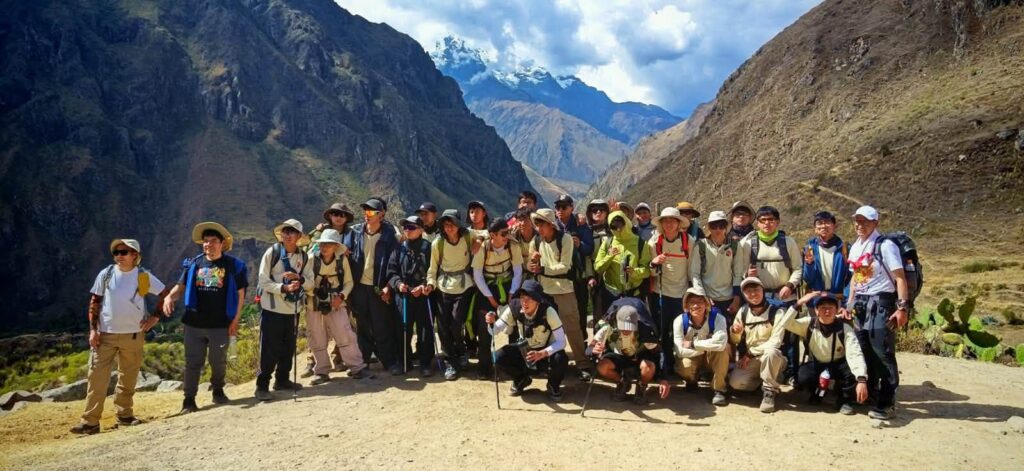
The trail closes throughout February for maintenance
Every year, the Inca Trail remains closed throughout February for maintenance and conservation work. This closure also coincides with the heaviest rainy season, so it is not possible to schedule the Classic Inca Trail during that month under any circumstances.
It is worth keeping this in mind when planning, as it concentrates more demand in the surrounding months. If your trip falls at the beginning or end of February, you will need to adjust your trekking dates so they fall outside the closure period.
Time restrictions and weight limits for porters
Park rangers monitor the trail at all times, and hiking at night is not permitted: traffic is restricted approximately between 7 at night and 5:30 in the morning. This rule is intended to ensure hiker safety and order along the route.
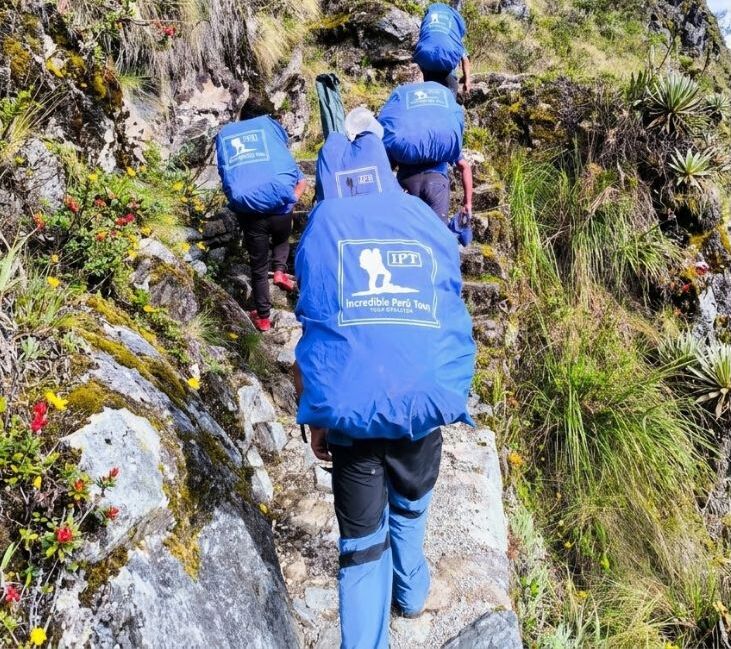
There is also an official limit on the weight porters can carry, as they are not authorized to transport more than 14 kilos. This rule protects support staff and, in practice, affects how much personal gear each hiker can delegate.
Prohibited items during the trek
The regulations prohibit bringing certain items on the Inca Trail, including firearms, flammable substances such as kerosene or gasoline, drugs and alcoholic beverages, and pets. Sound equipment and electronic devices that disturb the peace of the route are also not allowed.
These prohibitions are intended to preserve both safety and the trail’s natural environment. It is best to review the list before packing so you do not bring anything that could hold you up at access checkpoints.
Rules of conduct inside Machu Picchu
Upon arriving at the citadel, the sanctuary’s rules of conduct also apply. Climbing, sitting, or leaning on Inca walls or structures is not allowed, nor is damaging them in any way; behaviors such as smoking, vaping, making fires, or posing inappropriately are also prohibited.
As for photography, you can freely use your phone and camera, but tripods, selfie sticks, and stabilizers are prohibited. The route inside the citadel is one-way, so you must follow the assigned path without being able to return to points already visited.
Frequently asked questions
How many permits are available per day?
The official quota is 500 permits per day, but that figure also includes guides, cooks, and porters. Therefore, the actual number of tourists who can start the trek each day is considerably lower.
Is entry to Machu Picchu included with the Inca Trail permit?
Since January 1, 2026, not automatically. The trekking permit and entry to the citadel are two separate arrangements that must match on the same date, so it is best to book with an agency that coordinates both.
Can I hike the Inca Trail without a guide?
No. The regulations require all visitors to be accompanied by a guide and bookings to be made through an authorized agency. Hiking the trail independently is not allowed.
Why does the Inca Trail close in February?
It closes throughout February for maintenance and conservation work, which also coincides with the heaviest rainy season. During this period, it is not possible to complete the Classic Inca Trail.
What items can I not bring on the Inca Trail?
Prohibited items include firearms, flammable substances such as kerosene or gasoline, drugs, alcoholic beverages, pets, and sound equipment. It is best to review the list before packing.