


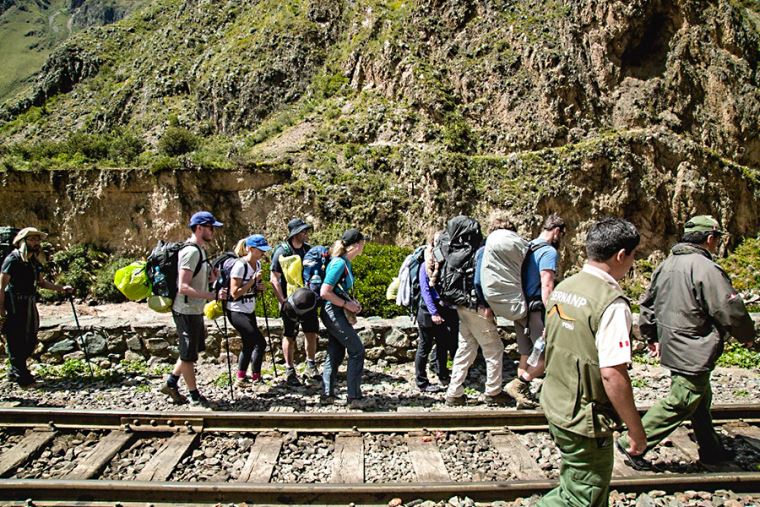
When planning the Inca Trail, the same question comes up again and again: why are there so many rules for hiking a trail? The answer is summed up in an acronym you may have come across: ANP. The Inca Trail does not pass through just any area, but rather through an area the State protects by law. Understanding what an ANP is clarifies why access is limited, why you need a permit, and why everything is managed so carefully.
What Is an ANP?
ANP stands for Protected Natural Area. It is a land or marine area that the State officially recognizes and declares as such in order to conserve its nature, biodiversity, and cultural, scenic, or scientific values. In short, it is an area set aside and regulated to prevent degradation, so it remains intact for future generations.
In Peru, these areas are defined by Law 26834, the Protected Natural Areas Law. Under this regulation, each one is created through a law or supreme decree and is subject to a special regime that limits the activities allowed within it. This is not a symbolic label: it has concrete legal effects on what can and cannot be done in the area. The Inca Trail is one of them.
Why the Inca Trail Is Within an ANP
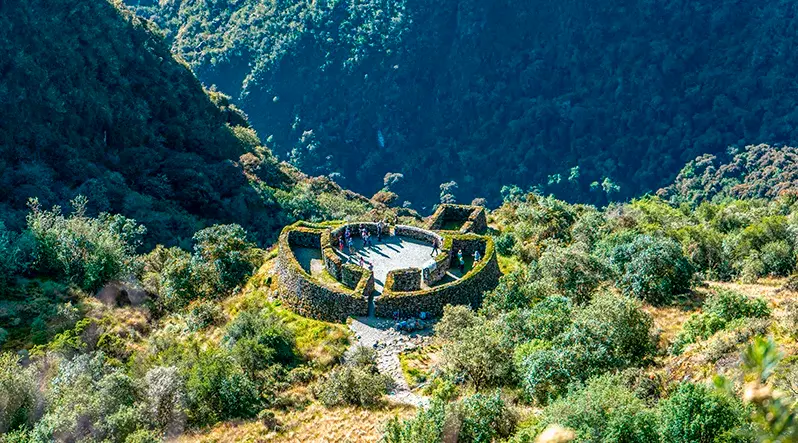
The Inca Trail and Machu Picchu are part of the Historic Sanctuary of Machu Picchu, which is both a protected natural area and a site of enormous archaeological value. This dual status, natural and historical, is what makes it so special and, at the same time, so heavily regulated. It protects not only a landscape or an ecosystem, but also a stone trail more than five hundred years old and the Inca complexes surrounding it.
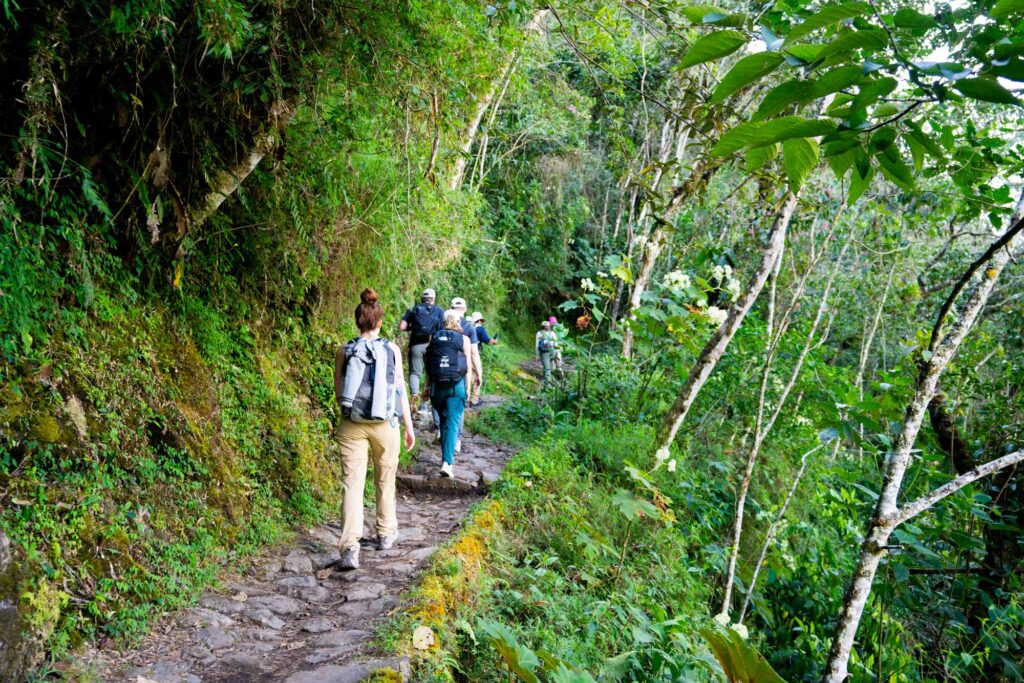
That is why the trail cannot accommodate an unrestricted flow of visitors. Such an ancient path, crossing a fragile mountain and cloud forest ecosystem, would quickly deteriorate without entry limits. Protected area status is precisely the legal mechanism that makes it possible to set and enforce those limits.
Why It Is Managed by the State
Protected natural areas are considered national heritage and public domain. This means they do not belong to private individuals and cannot be sold or granted as private property: they belong to the country as a whole. For this reason, their care falls to the State, which acts as the guarantor of their preservation in perpetuity.
A place of this value would not withstand unrestricted and uncontrolled use: tourism pressure or resource extraction would eventually degrade it. By taking on its management, the State can establish entry rules, visitor limits, and conservation plans that private management would be unlikely to guarantee over the long term. In the case of the Inca Trail, this translates into daily quotas, advance booking, and the trail’s closure in February for recovery.
Who Is Responsible in Practice: SERNANP
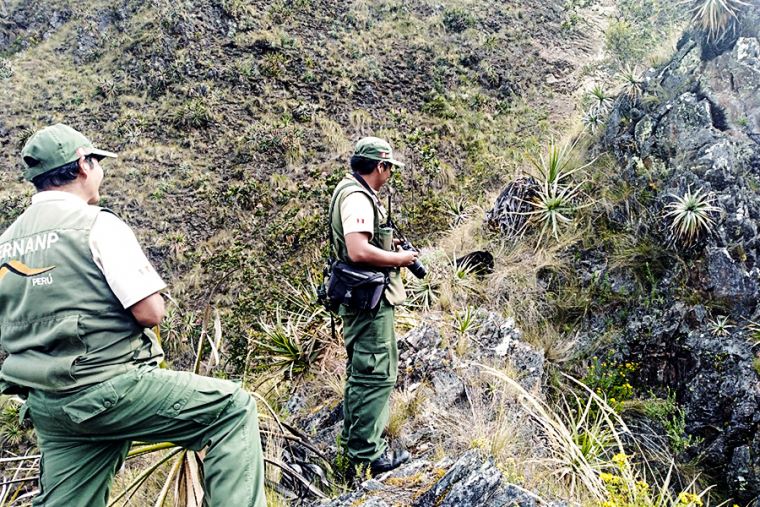
The agency that manages Peru’s protected natural areas is SERNANP, the National Service of Protected Natural Areas by the State, which reports to the Ministry of the Environment. It is responsible for leading the national system of these areas, establishing their rules of use, and ensuring they are followed. In the Historic Sanctuary of Machu Picchu, management is also shared: SERNANP oversees the natural component, while the Ministry of Culture is responsible for the archaeological one. This coordination explains why trail rules combine environmental conservation and heritage protection.
What This Means for Your Trip
Knowing that the Inca Trail is within a protected area changes the way you view planning. Limited entry, the requirement to go with an authorized agency, and the need to book in advance are not administrative obstacles: they are the direct result of hiking through an area protected by the State. These are the rules that ensure the trail will still be standing for many years to come.
If you want to see how these rules work in practice, check how Inca Trail permits work and how to check availability before booking.
Frequently Asked Questions
What Exactly Does ANP Mean?
ANP means Protected Natural Area: an area of land or sea that the State recognizes and regulates by law to conserve its nature and its cultural or scenic values.
Why Is the Inca Trail Protected?
Because it is part of the Historic Sanctuary of Machu Picchu, a protected natural area overseen by the State. It combines natural and archaeological value, which justifies limiting and regulating access to the trail.
Who Manages the Area Where the Inca Trail Is Located?
SERNANP, an agency of the Ministry of the Environment, together with the Ministry of Culture for the archaeological component. Together, they define conservation and access rules.
Do the Inca Trail Rules Come from Its Protected Area Status?
Yes. Limited quotas, advance booking, authorized agencies, and the February closure are a direct result of the trail being within a protected natural area.