


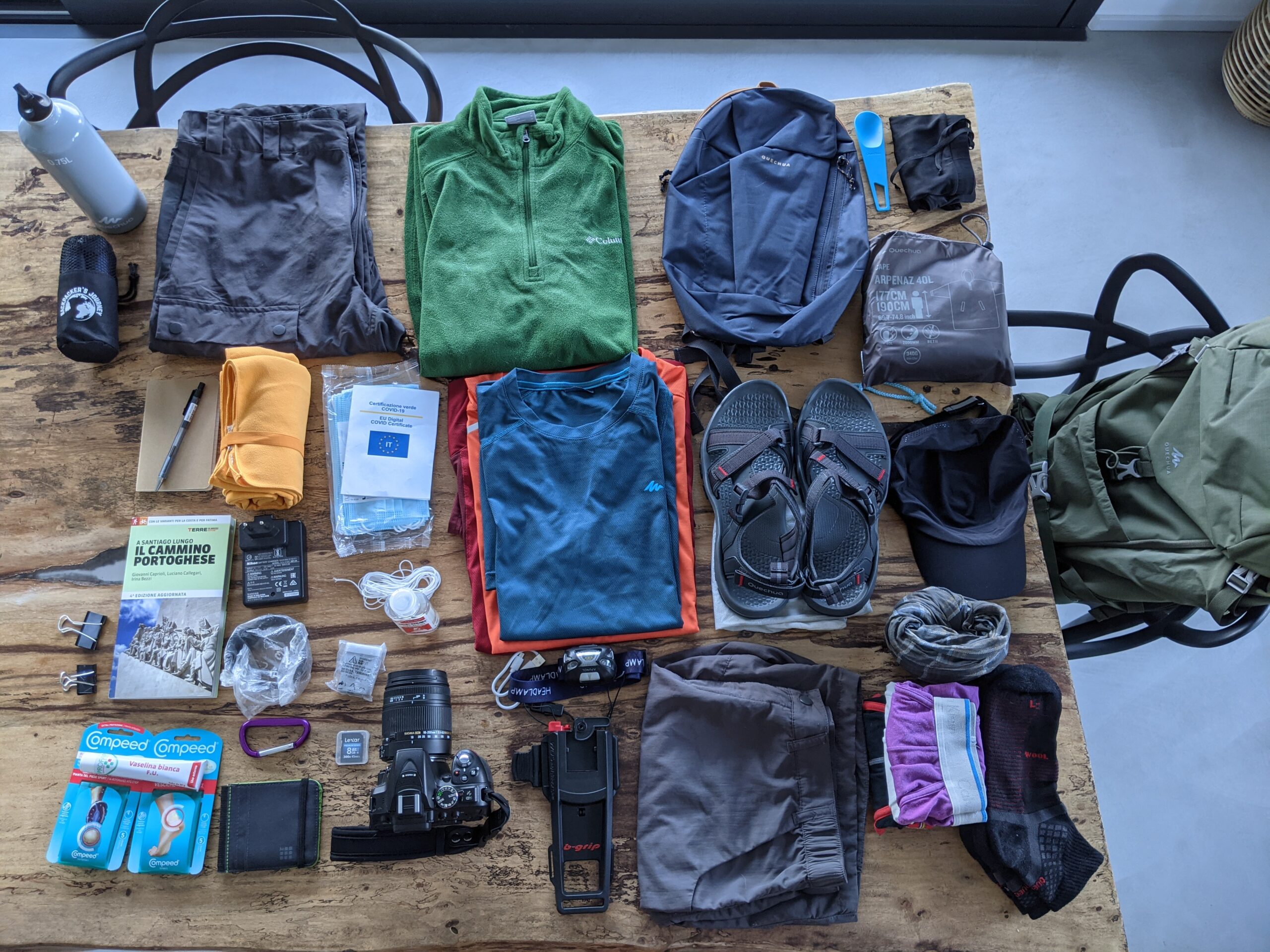
Packing properly for the Inca Trail makes the difference between enjoying the hike and struggling through it. You will carry your own daypack for four days, so every gram counts. Here we explain what to bring and why, based on how the route really works.
How to divide your luggage
On the classic 4-day trek, you will use two bags with different purposes.
The daypack
You carry it at all times. This is where you keep water, warm clothing, rain gear, your camera, snacks, and documents. A 25 to 35-liter backpack is ideal.
The porter bag (duffel)
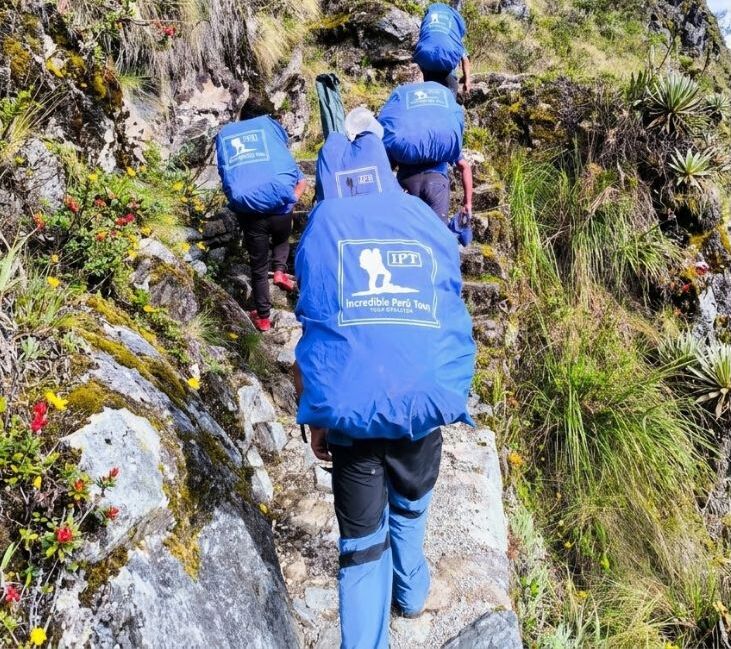
The team of porters carries it. The company provides one at the start, and it has a regulated weight limit: usually between 6 and 7 kilos, including your sleeping bag and sleeping pad. This weight is set by law to protect the porters.
A sleeping bag is essential
Nights at campsites such as Wayllabamba or Pacaymayo become noticeably colder. You need a cold-weather sleeping bag (with a comfort rating close to 0 °C or lower). Nearly all agencies rent them if you do not have one.
Layered clothing
The Inca Trail crosses several ecological zones, from the cold puna to the humid cloud forest. Temperatures vary greatly between day and night, so layering is the best strategy.
Recommended layers
Base layer
It should be breathable and keep you dry. Avoid cotton, as it retains moisture.
Insulating layer
A fleece or insulating layer that retains warmth during cold ascents and at night.
Waterproof layer
A windproof, water-resistant jacket for rain and high-altitude winds.
Other necessary clothing
- Quick-drying trekking pants
- Thermal underwear for the nights
- Beanie, lightweight gloves, and a buff
Footwear and protection
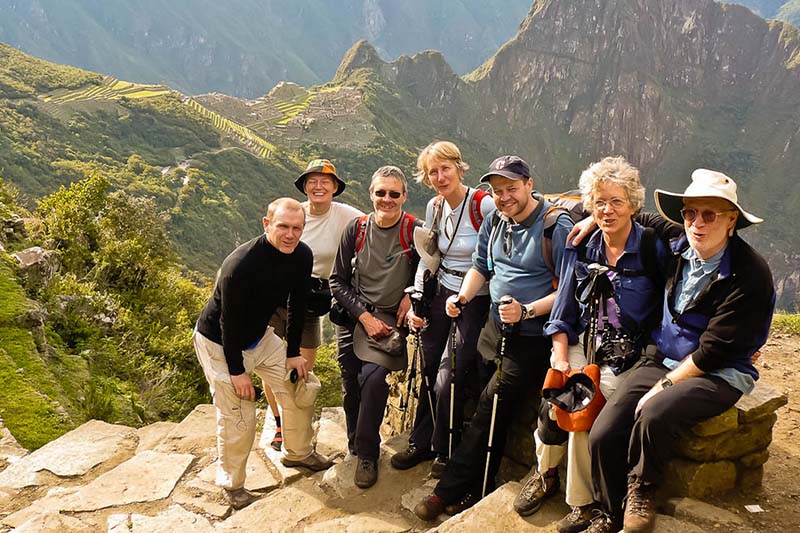
Well-worn, properly fitted hiking boots help prevent blisters. On the second day, you climb to Warmiwañusca (Dead Woman’s Pass), at 4215 m above sea level, the highest point on the route, with steep stone stair sections. A pair of sandals or lightweight shoes will give your feet relief at camp.
Sun protection at high altitude
The sun at high altitude is intense: a cap, UV-protection sunglasses, and sunscreen are essential.
Rain preparation
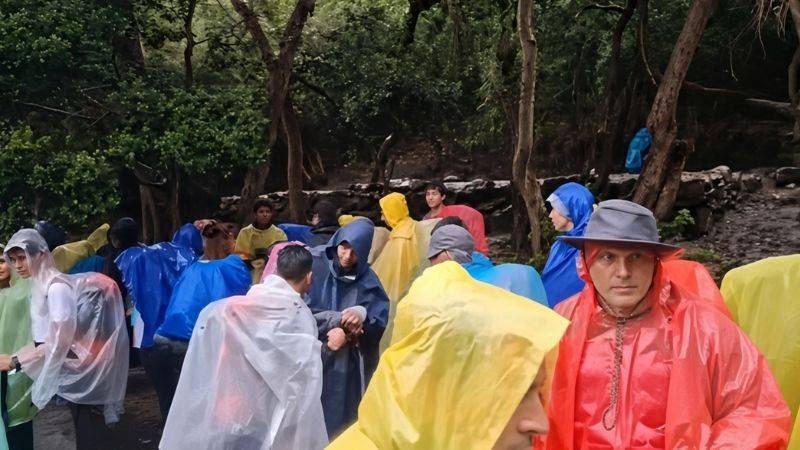
During the rainy season (November to March), a waterproof poncho and backpack covers can save the day.
Practical packing list
- 25 to 35-liter daypack
- Cold-weather sleeping bag
- Well-worn hiking boots
- Layered clothing system
- Rain jacket or poncho
- Sunscreen and insect repellent
- Cap, sunglasses, and buff
- Trekking poles (with rubber tips, required on the route)
- Headlamp
- Water bottle or hydration system
- Documents: original passport (checked at the entrance and in Machu Picchu)
- Cash for tips
- Personal first-aid kit with altitude medication
- Toilet paper and bags for your trash
An important note about your passport
You must carry the same passport used to purchase your permit throughout the trek. It is checked at the Piscacucho control point (kilometer 82) and again in Machu Picchu. If you renewed your passport after booking, bring both documents.