


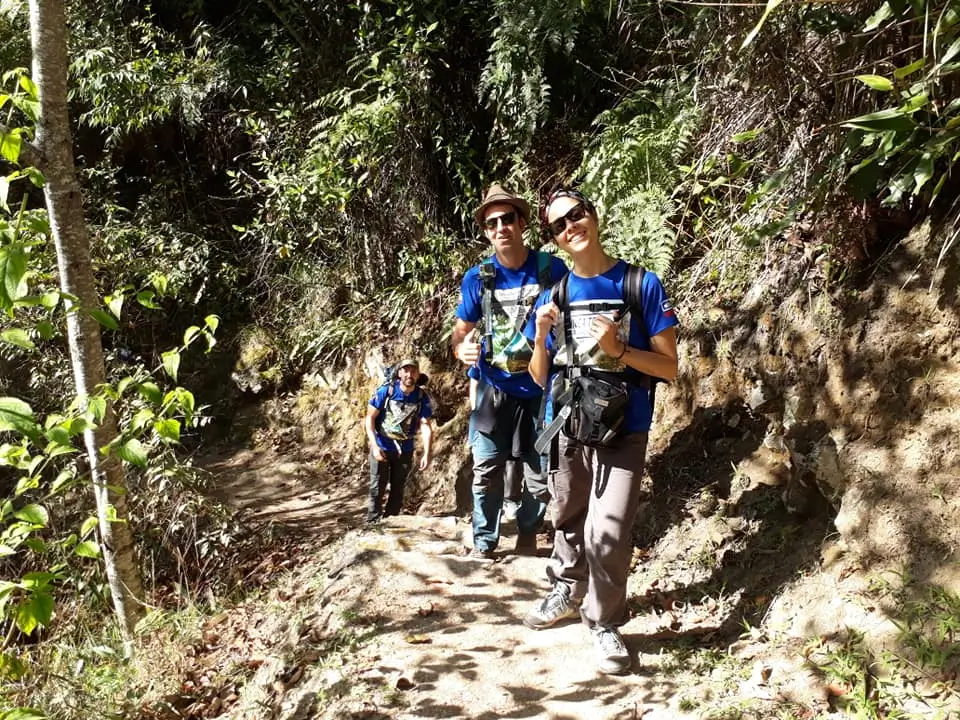
There are many ideas about the Inca Trail that do not always match reality. Some exaggerate the difficulty, others downplay the requirements, and several misunderstand what the route actually includes. Clarifying these points helps you make an informed decision and arrive without misconceptions.
Below, we review the most common myths about this trek, separating what is true from what is not. The goal is to help you compare what you have heard with what actually happens in practice.
Myths About the Difficulty
The physical demands are one of the topics that create the most conflicting ideas. Some believe only athletes can do it, while others think it is an easy walk. Neither version is entirely true.
Myth: Only athletes can do it
It is false that you need to be an athlete to complete the Inca Trail. People without technical trekking experience finish it every year, as long as they arrive with reasonable physical preparation and good acclimatization.
What is true is that it should not be taken lightly. A solid endurance base, built through hiking and prior exercise, makes the difference between enjoying the route and struggling through it.
Myth: It is an easy hike because many people do it
Being a popular route does not mean it is easy. The combination of altitude, long days, and stone stairways makes it a moderately to highly challenging trek.
The second day, with the ascent to the highest pass, challenges even people in good shape. Underestimating the demands is one of the most common mistakes before booking.
Myths About the Requirements
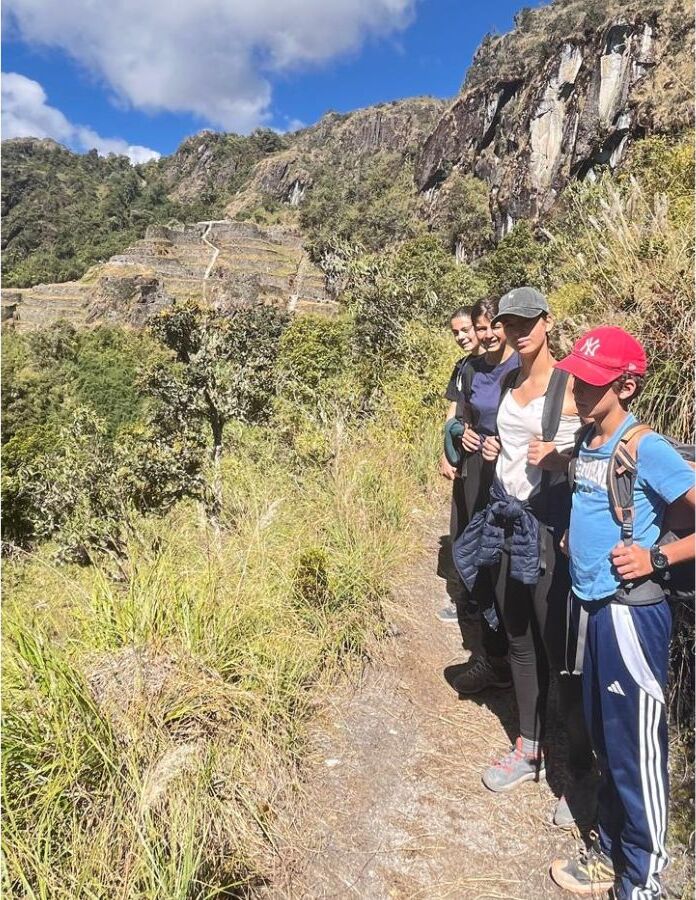
Another group of misconceptions concerns what is needed to complete the route. This is where it is especially important to be clear, because a mistaken expectation can prevent you from entering the trail.
Myth: You can do it independently
False. The classic route requires a permit arranged through an authorized agency, as well as the accompaniment of an official guide. For this reason, it is not permitted to hike it independently or enter without an organized program.
This regulation helps protect the trail, preserve archaeological sites, and control visitor numbers. Therefore, those wishing to do the 4-Day Inca Trail must book in advance and use an authorized service, rather than trying to arrange entry on their own.
Myth: You can book at the last minute
This is not true. Places are limited each day and sell out 6 months in advance , especially during high season. It is not possible to buy a permit on the same day or just a few days before the date.
Those who leave booking until the last minute usually miss out. Planning ahead is a real requirement, not just a simple recommendation.
Myths About the Route
There are also misconceptions about the route itself, where it begins, where it ends, and what you see along the way. These ideas often come from incomplete descriptions or comparisons with other routes.
Myth: The trek ends in Aguas Calientes
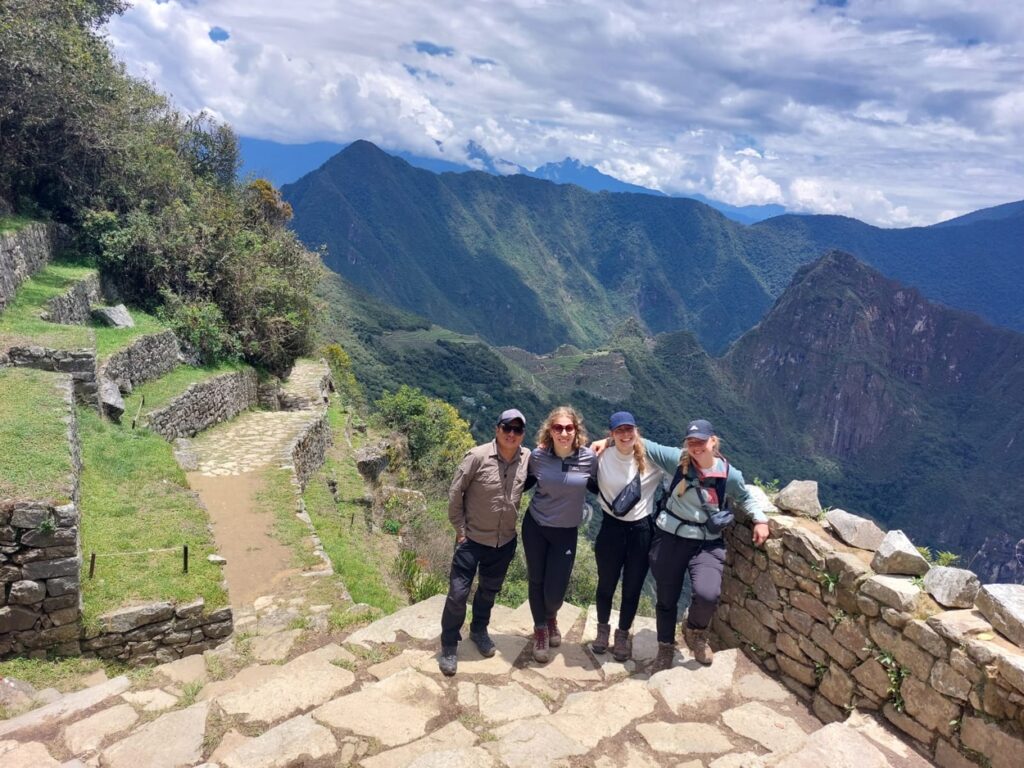
Incorrect. The trek ends at Machu Picchu, entering through the Sun Gate. Aguas Calientes is visited afterward, during the return journey, to take the train back.
This confusion is common because the town is part of the return journey. However, it is not the final point of the trek on foot.
Myth: You only hike to reach Machu Picchu
It is a half-truth. Although the final destination is the citadel, the route passes through several archaeological sites that can only be visited from this trail. The journey has value in itself, beyond the destination.
Reducing the Inca Trail to a simple way to reach Machu Picchu overlooks much of its appeal. Many travelers value the journey just as much as the final visit.
Myths About the Conditions
Weather, camping conditions, and visitor numbers also create mistaken expectations. Clarifying them helps you arrive prepared and avoid disappointment along the route.
Myth: The route is always empty
Although access is limited, it does not mean the trail is empty. At campsites, rest stops, and final sections, several groups may meet, especially during high season.
Expecting complete isolation leads to disappointment. Realistically, you will alternate between quiet sections and others with more hikers.
Myth: The weather is always good during the dry season
The dry season reduces the chance of rain, but it does not eliminate it completely. In addition, nights can be very cold, especially in the higher sections of the route.
Relying on stable weather can lead you to neglect proper gear. Wearing layers and carrying waterproof protection are still necessary even in the dry months.
Myth: Porters carry all your luggage
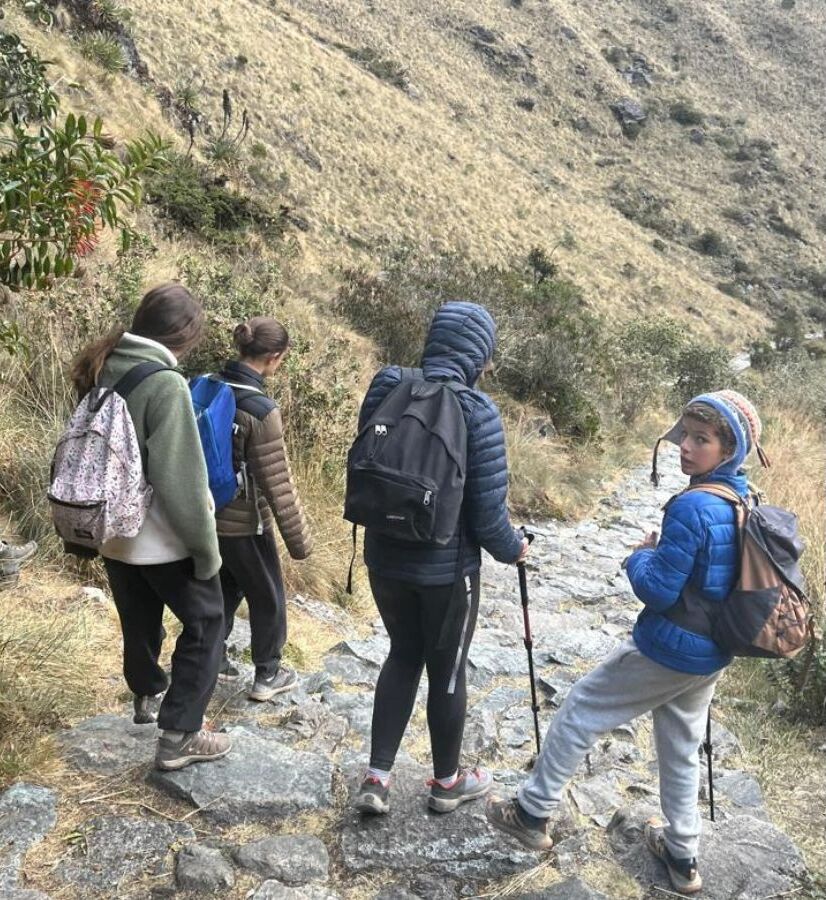
It is partially true. Porters carry the camping equipment and part of the luggage, but each traveler carries a personal backpack with the essentials for each day.
There is a weight limit for what porters can carry, regulated to protect their working conditions. It is best to confirm with the agency what is included and what you need to carry yourself.
Frequently Asked Questions
Is it true that the Inca Trail is dangerous?
It is not an inherently dangerous route, but it requires respect for the altitude and terrain. With a guide, preparation, and a suitable pace, most people complete it without incidents.
Is it true that you need to book months in advance?
Yes, it is true. Limited availability means that the most sought-after dates sell out several months in advance, especially during the dry season.
Is it a myth that you cannot do it without a guide?
It is not a myth. Regulations require an official guide for the classic route, and hiking it independently is not permitted. It is a real and mandatory requirement.
Is it true that the trek ends at Machu Picchu?
Yes. The trek ends at Machu Picchu, entering through the Sun Gate. The return journey afterward is by train from Aguas Calientes.
Is it true that anyone can do it without preparation?
No. Although you do not need to be an athlete, it is advisable to arrive with physical preparation and acclimatization. Doing it without preparation can make the experience much harder than expected.