


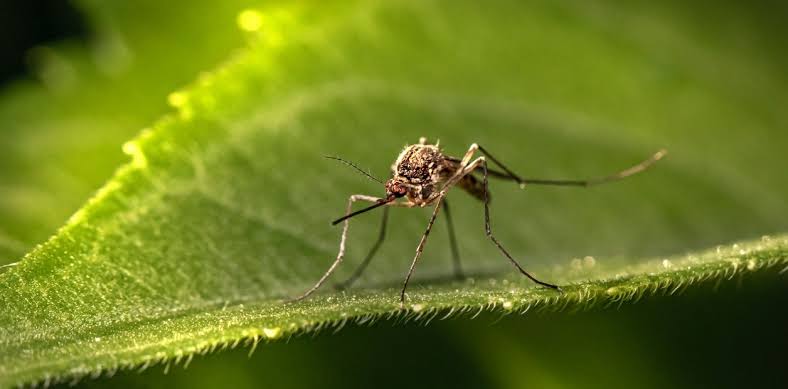
In Cusco, they barely bite. At 3.400 metres, the cold nights keep them away. On the Inca Trail, things change depending on the section: the river on the first day and the cloud forest on the third are not Warmiwañusca.
It is not the Amazon. Nor is it a bug-free trek. The mistake is bringing a jungle first-aid kit for four days at high altitude or, on the other hand, not applying anything at Wiñay Wayna at sunset.
Where they really bite
Altitude matters more than the month.
Hardly any. The 4.215-metre pass, Runkurakay, Pacaymayo on freezing nights. Mosquitoes do not breed well there. If something is buzzing, it is usually another insect.
Some. Kilometer 82 and the banks of the Urubamba on day 1. Wayllabamba if the campsite is close to the river. The descent into the forest on day 3. Wiñay Wayna at 2.650 metres, humid, at sunset. Aguas Calientes, at around 2.000, is the town where they are most noticeable.
What is not the classic route. Puerto Maldonado, Manu, or any extension into the low jungle. That is where the picture changes: dengue, and in specific areas malaria and yellow fever. An Inca Trail permit does not take you down to that elevation.
Aguas Calientes is not Iquitos. There is more buzzing than in Cusco and less than at a stilt-house lodge. Plan your repellent for the town and the lower-elevation afternoons, not for every hour at the pass.
When there are more
From November to March, with rain, the cloud forest becomes lush and the bugs make the most of it. From April to October, the air is drier. They are still around by the river and at sunset, especially at the last campsite.
They bite more at dawn and dusk. On the climb up Warmiwañusca in full sun, hardly at all. In a poorly closed tent at Wiñay Wayna, yes.
A midge or sand fly can bite during the day in humid sections. The itching is the same. Repellent works for both if you reapply it.
What the risk is (and is not)
On the classic route and in Machu Picchu, the usual issue is a bite bump, not a jungle disease. Malaria does not circulate in Cusco city or on the high-altitude tourist circuit. The yellow fever vaccine is recommended if you are going to the Cusco Amazon or Madre de Dios, not for entering Kilometer 82.
Dengue is found at lower, warmer elevations. Aguas Calientes is not a hotspot in the country. Even so, covering up in town costs nothing.
If you fly to Puerto Maldonado after the trek, the criteria change completely. Ask a doctor about that part of your trip, not about the classic route.
How to protect yourself without filling your backpack
Repellent. One with 20 to 30 % DEET or icaridin. Keep a small bottle in your daypack. Not in your duffle: you will want it by the river, not at the upper campsite. Reapply it if you sweat or if it rains.
Clothing. Long sleeves and trousers at sunset in the lower sections. At the pass, those same clothes work as wind protection. Cover up your midday shorts when the sun goes down.
Tent. Zip it fully before dark. Do not leave the flap open “for a minute” at Wiñay Wayna. For most people, a head net is unnecessary on the classic route. In the low jungle, it is not.
Skin. Bites are easier not to scratch if you bring a topical antihistamine from Cusco. Do not expect a pharmacy in Pacaymayo.
Aguas Calientes. Window screens, a fan, or air conditioning if the hotel has them. Apply repellent again when you get off the bus. The town is where most people remember mosquitoes exist.
There is no need to spray your entire duffle or treat every sock with permethrin. A few sprays on cuffs and ankles, if you want extra protection, are enough for this route.
What you do not need
A yellow fever vaccine “just in case” if you are only doing Cusco, the Sacred Valley, and the Inca Trail. Malaria pills for the classic route. A two-kilo bed net. A litre of spray.
What you do need is the small bottle and to use it when the air gets warm.
Frequently asked questions
Are there mosquitoes in Warmiwañusca?
Almost never. At over 4.000 metres, the cold keeps them away. Save your spray for the descent and the lower campsite.
Does the 2-day Short Inca Trail have more mosquitoes than the classic route?
The first day of the short route enters through Kilometer 104 and Wiñay Wayna, which are at forest elevation. You do not spend three nights at high altitude. The buzzing is concentrated into fewer hours; it does not disappear.
Can I buy repellent in Cusco?
Yes. Pharmacies carry DEET and icaridin. Buy it on the day you arrive, not at the Kilometer 82 checkpoint.
Is a bite on the route a sign of dengue?
Not on its own. On this trek, a bite bump is normal. If you have a high fever days later in a low-elevation town, see a doctor. Do not try to diagnose yourself in the tent.
Do I need a mosquito net in the tent?
The operator’s tents zip closed. Check the zipper. An extra mosquito net adds weight and is hardly used at the high-altitude campsites.