


One of the biggest risks when comparing Inca Trail prices is being swayed by the lowest figure without reading the fine print. A package that seems cheap can end up costing more once you add everything that was not included. These hidden costs are not always intentional: sometimes they are simply expenses the traveler did not expect. Here you will learn about the most common ones and how to spot them before paying.
Why a low price can hide extra expenses
The logic is simple: to display a more attractive headline price, some operators leave certain items out of the package that travelers must later pay for separately. The initial price looks competitive, but the actual cost of the trip ends up being considerably higher once those extras are added.
That is why comparing only the main figure between agencies can be misleading. Two packages with very different prices may end up costing the same if one includes everything and the other charges separately for each service. The only way to compare properly is to check exactly what each rate covers.
Certain items repeatedly appear as expenses not included in the package. Knowing about them in advance allows you to ask about them directly and confirm whether they are included in the price or whether you will need to add them yourself.
Return train category
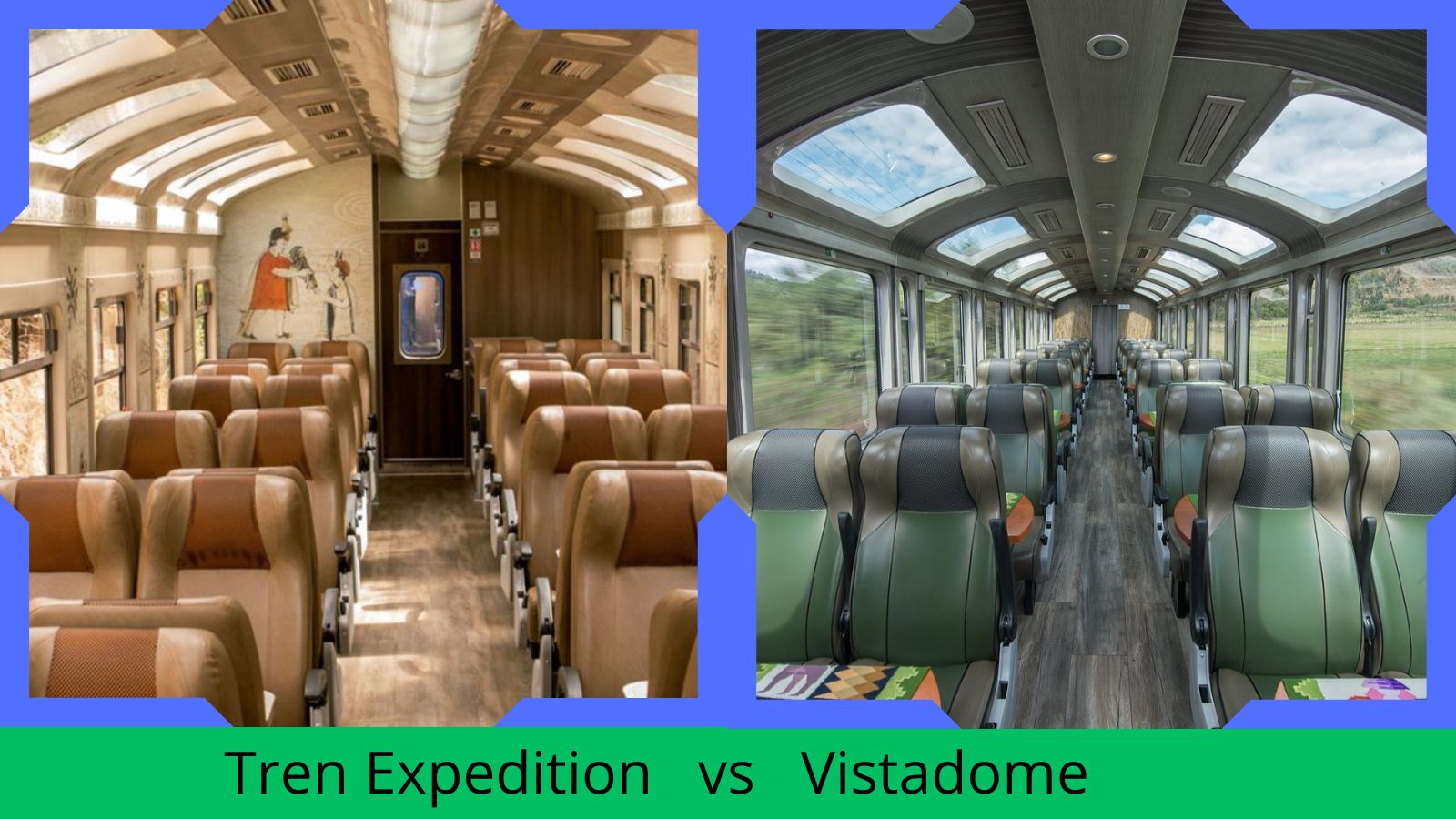
The return train from Aguas Calientes has different categories, and not all of them cost the same. Some budget packages include the most basic service and charge extra if you want a higher-class train, while others already include a more comfortable option. It is worth confirming what type of train your rate includes.
Huayna Picchu or Machu Picchu mountain entry tickets
Hiking Huayna Picchu mountain or Machu Picchu mountain is almost never included in the base price and is charged as an additional service. If you plan to climb either one, this is an extra cost you should factor in from the start, in addition to booking well in advance due to limited availability.
Travel insurance
Travel insurance is rarely included in the Inca Trail price and is the responsibility of each traveler. Although it is not a charge from the agency, it is a real expense that you should add to your budget, especially for a high-altitude mountain trek.
Tips for the support team
Tips for porters, the cook, and the guide are voluntary, but they are part of trekking custom and represent an expense that many travelers do not anticipate. They are not a hidden agency cost, but they are a common expense worth considering when calculating the total.
Expenses that depend on your choices
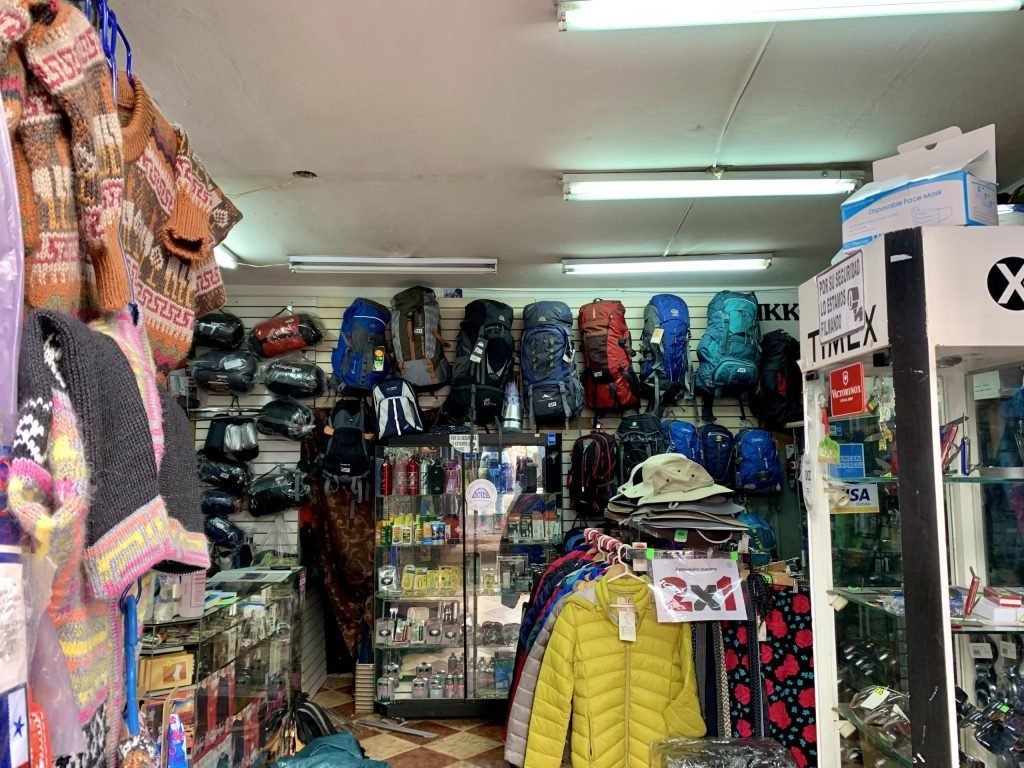
Other costs are not hidden by the agency but arise from your own choices during the trip. Renting gear you do not have, such as trekking poles or a sleeping bag, or meals outside the program in Aguas Calientes, are examples of expenses that add up depending on what you decide.
This also includes money for souvenirs, extra snacks, or any personal purchases along the route. They are not package surprises, but it is a good idea to include them in your budget to have a realistic estimate of how much you will spend overall.
The best tool for avoiding surprises is to always request the complete list of what the package includes and does not include. A reliable operator clearly details both, and the “not included” section is just as important as the “included” section, because that is where you will find the expenses you need to cover separately.
If a price seems too low compared with others, ask specifically about the most common items: train category, mountain entry tickets, number of meals, and transfers. You can review how inclusions and exclusions are detailed on the Classic Inca Trail 4 Days or the Short Inca Trail 2 Days for a clear reference of what should be covered.
Frequently asked questions
What are the most common hidden costs on the Inca Trail?
The most common ones are a higher return train category, entry tickets for Huayna Picchu or Machu Picchu mountain, travel insurance, and tips. They are not always agency charges, but they are expenses that many travelers do not anticipate.
Why can a very cheap package end up costing more?
Because it may leave out items that you later pay for separately, such as a better train or certain meals. Once you add up all those extras, the actual cost can match or exceed that of a package that already included everything.
Is travel insurance included in the price?
Usually not. Travel insurance is generally the responsibility of each traveler and is an expense you should add to your budget, especially since this is a high-altitude mountain trek.
How can I avoid price surprises when booking?
Always request the complete list of what the package includes and does not include, and pay special attention to the exclusions section. If a price is very low, ask about the train, mountain entry tickets, meals, and transfers.
Are tips a mandatory cost?
They are not mandatory, but they are part of trekking custom and should be considered in your budget. Although they are up to each traveler, they are a common expense to thank the support team.