


One of the most common questions before booking is whether you are fit enough for the Inca Trail. The concern is valid, but the answer is usually reassuring: you do not need to be an athlete or have specialized training. What you do need is a reasonable basic fitness level and some prior preparation. Here, you will learn what fitness level is really required and how to know if you are ready.
What fitness level do you really need?
The Inca Trail does not require athletic fitness, but rather good general health and the ability to walk for several hours on uneven terrain. If you can take a long walk without becoming completely exhausted and climb stairs without getting out of breath, you have a solid foundation to build on.
What matters is not strength or speed, but sustained endurance: being able to maintain a steady pace for several hours, day after day. This stamina is more important than any athletic achievement, and it is something most people can develop with simple preparation.
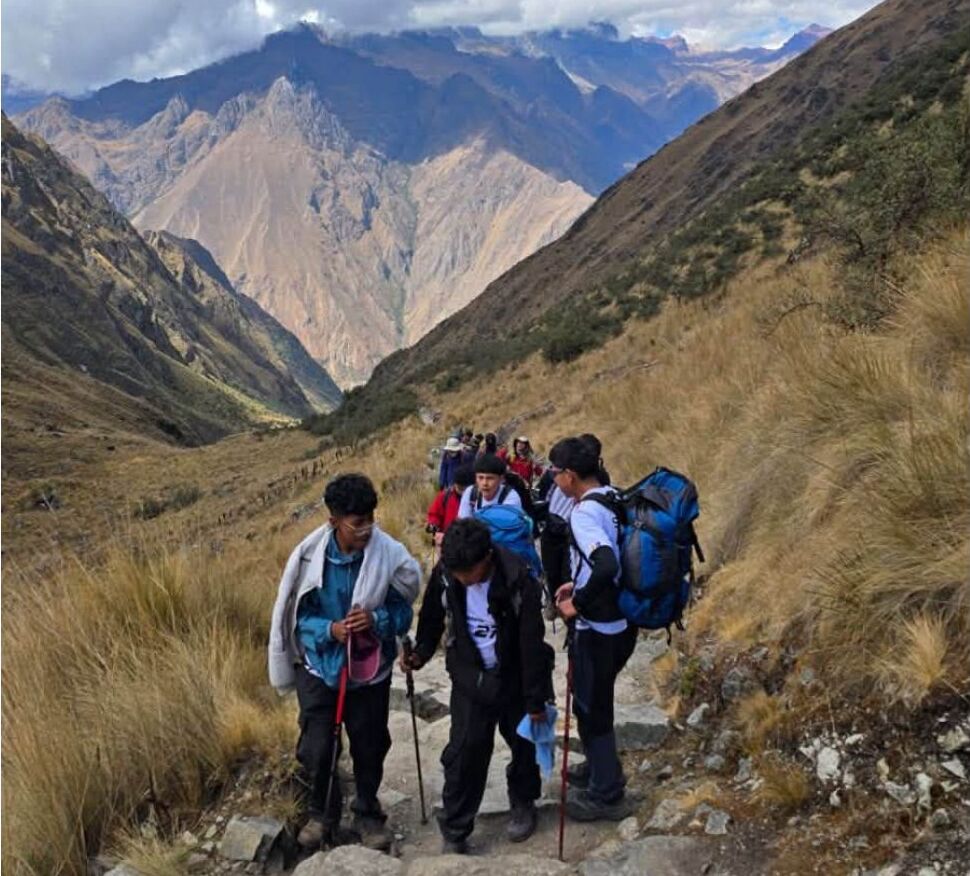
Endurance matters more than strength
Unlike a gym, where strength is the priority, the Inca Trail rewards cardiovascular and muscular endurance at a low intensity over a long duration. It is not about lifting weights or explosive efforts, but about keeping moving throughout full days of hiking.
That is why someone used to walking long distances will often perform better than a very muscular person without endurance. Preparing your body for consistency rather than short bursts of effort is the key to being in good condition for this route.
How to train in the weeks before
The best preparation is specific: walking. In the weeks before your trip, it is advisable to take regular walks, gradually increasing the distance and looking for hilly terrain whenever possible. Nothing prepares you better for walking than walking, so this is the most effective training.
Complement your walks with cardiovascular exercise such as jogging, cycling, or swimming, which improves your lung capacity. Adding some leg work, such as squats, strengthens the muscles you will use most on ascents and descents. You do not need a complex plan, just consistency in the weeks beforehand.
Practice going up and down stairs
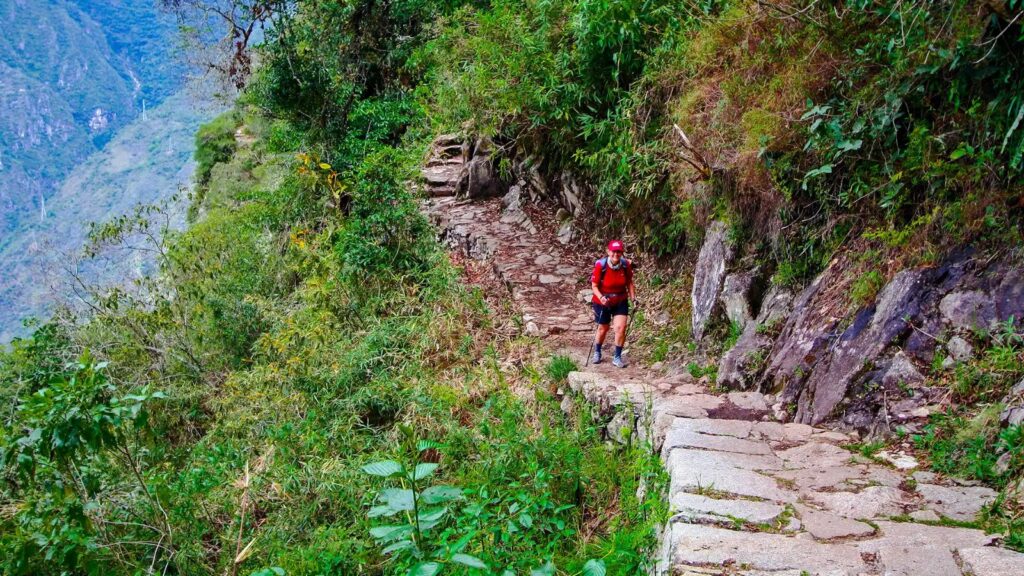
If there is one exercise that better replicates the effort of the Inca Trail than any other, it is going up and down stairs. The route is full of stone stairways, both uphill and downhill, so practicing on stairs prepares the exact muscles and movement you will repeat most often. Spending time on this makes a noticeable difference on the actual trek.

The altitude factor and why acclimatization is part of preparation
One key point is that fitness alone is not enough when altitude is involved. People in excellent shape can experience altitude sickness if they do not acclimatize, because adapting to altitude does not directly depend on fitness, but on the time you give your body to adjust.
That is why part of your preparation should be arriving in Cusco at least two days early to acclimatize before hiking. This rest period at altitude complements your physical training and is just as important as the kilometers you have walked before your trip.
What happens if your fitness level is limited?
If your fitness level is fairly basic or you are unsure about handling several days of hiking, there are alternatives. Each person sets their own pace on the Inca Trail, with a guide who adapts the pace and allows all the necessary breaks, so it is not a race against the clock.
And if the classic route still seems too demanding, the 2-day Short Inca Trail requires much less physical preparation, as it involves just one day of hiking at a lower altitude and without the toughest mountain passes. It is a realistic option for those who do not feel ready for the 4-day Classic Inca Trail but still want to hike the original trail.
Health considerations before booking
Beyond training, it is important to consider your general health. If you have a heart, respiratory, or other condition that could be affected by physical exertion or altitude, it is wise to consult your doctor before booking so you can hike with peace of mind.
This recommendation is not meant to discourage you, but to help you enjoy the experience safely. Knowing your own limits and preparing accordingly is part of responsible planning, ensuring that the Inca Trail is an achievement rather than a problem.
Frequently asked questions
Do I need to be an athlete to hike the Inca Trail?
No. Good general health and the ability to walk for several hours on uneven terrain are enough. With regular walks and some exercise in the weeks beforehand, most people can complete the route at their own pace.
What type of training is most useful?
Walking is the most effective, especially on hilly terrain, complemented by cardiovascular exercise and some leg training. Going up and down stairs is particularly valuable because it replicates the route’s stone stairways.
Does being fit protect me from altitude sickness?
Not completely. Adapting to altitude does not directly depend on fitness, so even very fit people can experience it without acclimatization. Arriving in Cusco at least two days early is essential.
Can I do it if my fitness level is limited?
Yes, by moving at your own pace and taking the breaks you need. If the classic route seems too demanding, the 2-day Short Inca Trail requires much less preparation because it is a one-day hike at a lower altitude and without the most challenging passes.
Should I consult a doctor before going?
It is recommended if you have a heart, respiratory, or other condition that could be affected by physical exertion or altitude. Consulting a doctor before booking allows you to hike safely and with peace of mind.