


When booking an Inca Trail tour, most of the services needed to complete the trek are usually included in the package. However, a few personal expenses may arise along the route, so it is worth considering them before leaving Cusco.
These additional expenses do not usually make up a significant part of your budget, but it is advisable to know about them because you will not find ATMs, banks, or establishments that accept cards along much of the route.
Additional water, personal snacks, the use of certain restroom facilities, and small purchases are the most common expenses. Carrying a moderate amount of cash will allow you to cover them without any issues.
What is considered an extra expense on the Inca Trail?
An extra expense is any personal purchase or service that is not part of the tour’s standard inclusions. It does not refer to the entry permit, guide, main meals, or camping, but rather to additional expenses that each traveler chooses to make during the trek.
The amount you will need depends on your habits. Some travelers complete the route without making virtually any purchases, while others prefer to buy drinks, extra food, or use services available in certain areas.
| Possible expense | Is it necessary? | Availability |
|---|---|---|
| Additional water or drinks | Depends on the included service | Limited |
| Personal snacks | Optional | Mainly at the beginning of the route |
| Use of private restrooms | Optional | Only at certain points |
| Showers | Optional | Very limited |
| Personal items | Only if you need to replace something | Limited |
| Small unexpected expenses | Only when they arise | Variable |
Water and additional drinks
Water is one of the main needs on the Inca Trail. The amount you need to buy will depend on what your operator includes and how the water supply is organized each day.
Some programs ask travelers to carry enough water for the first few hours of hiking and provide boiled or treated water later on. Others may organize the water supply differently.
For this reason, before starting the route, you should confirm from what point drinking water is provided and how much capacity you need in your bottles or hydration bladder.
In certain areas near the start of the Inca Trail, there may be small stalls selling bottled water, rehydration drinks, or soft drinks. However, availability is not guaranteed and decreases considerably as you progress.
It is not advisable to rely on these establishments for your daily hydration. In addition, products available along the route may cost more due to transportation difficulties.
Personal snacks and food
Organized programs usually provide breakfast, lunch, dinner, and some snacks. Even so, every traveler has different preferences and may want to bring additional food to eat during the day.
Some of the most practical options include energy bars, nuts, cookies, chocolate, candy, dried fruit, or electrolyte sachets. These foods are easy to carry and can help you maintain your energy between meals.
Buying snacks in Cusco before leaving is usually more convenient than trying to find them during the trek. There are few options on the route, prices may be higher, and you will probably not find specific brands or products.
If you have allergies, intolerances, or particular dietary needs, bring some personal products as a backup. You should also inform the agency in advance so the team can arrange the appropriate meals.
Using restrooms along the route
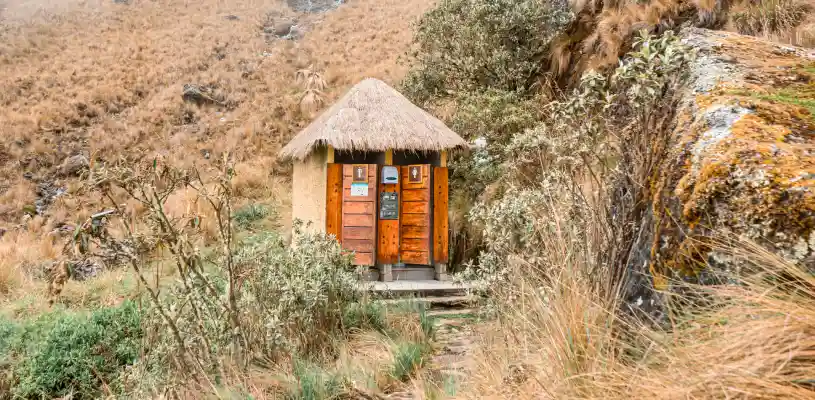
Restroom facilities on the Inca Trail are basic. There are restrooms in some areas and campsites, but their condition and availability may vary.
At certain points, you may also find privately managed restrooms. These services may charge a small cash fee for each use.
Not all campsites offer the same facilities. Some operators bring portable toilets for their groups, while others use the services available along the route. You should ask in advance which system your agency will use.
In addition to cash, carry toilet paper and hand sanitizer in your daypack. Although some restrooms may provide these items, you should not assume they will always be available.
Showers during the Inca Trail
The possibility of showering during the Inca Trail is limited. Most travelers use water provided by the team for basic washing at the end of each day.
At some campsites or private facilities, it may be possible to use a shower. When available, it may come at an additional cost and conditions are usually basic.
You should not plan your trek assuming that you will have daily access to a hot shower. Availability depends on the campsite, itinerary, and services arranged by the operator.
To maintain personal hygiene, it is practical to bring a small quick-drying towel, wipes, biodegradable products, and a change of clothes to use at the campsite.
Small purchases in the first sections
Near the start of the Inca Trail, you may find small shops or vendors offering water, drinks, snacks, and a few basic items. This may be your last opportunity to buy something you forgot.
However, options are limited and may not always be available. Therefore, you should check your backpack before leaving and bring everything you will truly need from Cusco.
Items that some travelers end up looking for at the last minute include batteries, sunscreen, insect repellent, rain ponchos, wipes, and hygiene products.
These purchases can easily be avoided by checking your gear beforehand. In addition to saving money, being prepared prevents you from relying on products whose availability is not guaranteed.
Money for small unexpected expenses
Even if the expedition is well organized, it is always advisable to set aside a small amount for unplanned situations. You may need to buy additional water, replace a personal item, or use a service available along the route.
There is no need to carry a large amount of money. Along much of the Inca Trail, there are very few opportunities to buy products, and you will not find commercial establishments like those in a city.
The goal is to have a practical fund for minor expenses, not to carry your entire travel budget during the trek.
Is it necessary to carry cash?
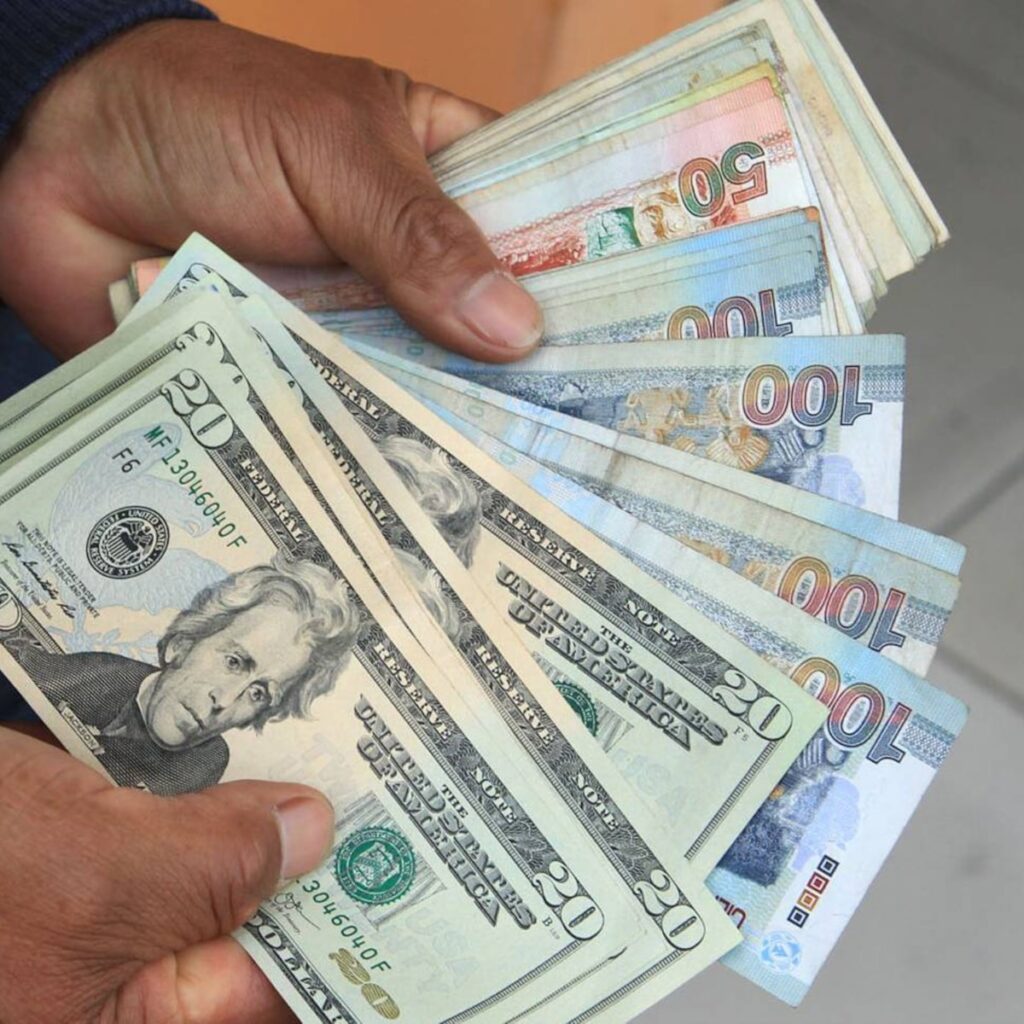
Yes. For small expenses during the Inca Trail, it is advisable to carry cash, preferably Peruvian soles in small denominations.
You should not rely on bank cards, mobile apps, or transfers. Internet connection is limited, and small establishments along the route normally do not have electronic payment systems.
Carrying small bills also makes it easier to pay for restrooms, drinks, or simple purchases. Vendors may not have change for large-denomination bills.
How to keep your money during the trek
Cash should stay with you in your daypack. It is not advisable to keep it in the bag carried by the porter, as you normally will not have access to it while hiking.
Use a waterproof bag or protected compartment to prevent your money from getting wet from rain, sweat, or humidity. You can also split it between two different places in your personal luggage.
Avoid carrying unnecessary amounts and do not show all your cash when making a purchase. Simple organization will be enough to keep it safe during the expedition.
Expenses you can avoid with good preparation
Most personal expenses during the Inca Trail can be reduced by properly preparing your backpack before leaving. Buying water, snacks, and basic items in Cusco gives you more options and better prices.
Before starting the trek, make sure you have:
- Reusable bottles or a hydration bladder.
- Enough snacks for each day.
- Toilet paper and hand sanitizer.
- Sunscreen and insect repellent.
- Personal hygiene products.
- Rain protection.
- Personal medications.
- Cash in Peruvian soles and small bills.
The pre-Inca Trail briefing is a good time to ask which items you need to bring and which services will be available each day.
What your budget for the route should include
To calculate your expenses during the trek, consider only the personal purchases you may make. You do not need to prepare a complicated budget.
You can divide the money into three small amounts:
- Hydration: to buy water or an additional drink when available.
- Personal purchases: for snacks or basic products you may need.
- Reserve: for restrooms, showers, or other unexpected minor expenses.
If you bring everything you need from Cusco and the operator provides sufficient water, meals, and snacks, you may use very little cash during the route.
Inca Trail Tours recommendations
At Inca Trail Tours, we recommend checking the program inclusions before setting aside money for the trek. Knowing how water is provided, what snacks are offered, and which facilities will be used will help you better estimate your personal expenses.
We also recommend making your main purchases in Cusco, carrying only a moderate amount of cash, and using small bills. During the Inca Trail, shopping opportunities are scarce and you should not rely on them.
Good preparation will allow you to focus on the trek, the landscapes, and the archaeological sites without worrying about finding basic products along the route.
Frequently asked questions
What extra expenses may arise during the Inca Trail?
The most common are buying water, drinks, snacks, using some restrooms, possible showers, and small personal purchases in areas where vendors are available.
Do I need to carry cash?
Yes. It is advisable to carry Peruvian soles in small bills because you will not find ATMs along the route and should not rely on card payments or mobile apps.
Can you buy water throughout the entire route?
No. There may be points of sale in some initial sections, but availability decreases as you continue. Ask your operator how drinking water is provided each day.
Do meals include snacks?
Many programs provide some snacks, but the quantity and contents depend on the operator. You can bring personal snacks if you want specific products during the trek.
Do Inca Trail restrooms have a cost?
Some facilities may be free to use, while others may charge a small fee. Availability and conditions vary depending on the section and campsite.
Are there showers during the Inca Trail?
Availability is limited. In some places, there may be a basic shower for an additional cost, but you should not assume you will have access to one every day.
How much cash should I bring?
It depends on your habits and what the tour includes. Generally, a moderate amount is enough for water, snacks, restrooms, and small unexpected expenses. There is no need to carry large sums.