


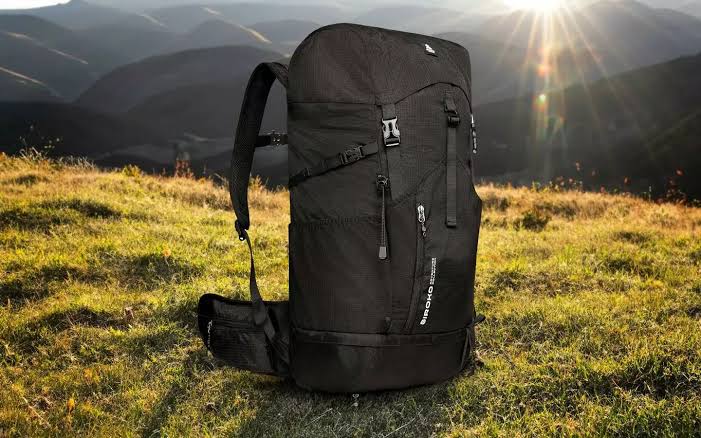
On the Inca Trail, you do not carry all your luggage. The porters carry the duffle bag with your camping clothes. You only hike with a daypack.
That backpack stays with you on climbs, descents, and stone steps. If it is too large or does not fit properly, you will notice it from the first mountain pass.
If you are looking for the packing list, you can find it in what to pack in your daypack. This guide is only about choosing the right model.
What size daypack do you need?
The ideal capacity is 20 to 30 litres.
- 20–25 L: enough if you carry a water bottle or hydration bladder, rain jacket, warm layer, snacks, and documents. It works well for the 2-day Short Inca Trail.
- 25–30 L: this is the most comfortable size for the 4-day Classic Inca Trail. It fits an extra layer for the Warmiwañusca day without leaving too much empty space.
- More than 30 L: you can use one, but there is no need. A large backpack invites you to pack items that should go in the duffle bag, and it ends up weighing too much.
You do not need a 50- or 60-litre expedition backpack. That capacity is for hikers carrying their own tent. That is not the case on this trek.
Daypack, duffle bag, and Cusco luggage
They are three different bags:
- Daypack: you carry it all day.
- Agency duffle bag: the porter carries it. The usual limit is around 7 kg per traveller, including sleeping bag and sleeping mat on most tours. Details are available in duffle bag on the Inca Trail.
- City luggage: it stays at your hotel in Cusco.
On higher-service tours, your personal porter allowance may be greater, but the daypack is still yours. No one carries it for you while you hike.
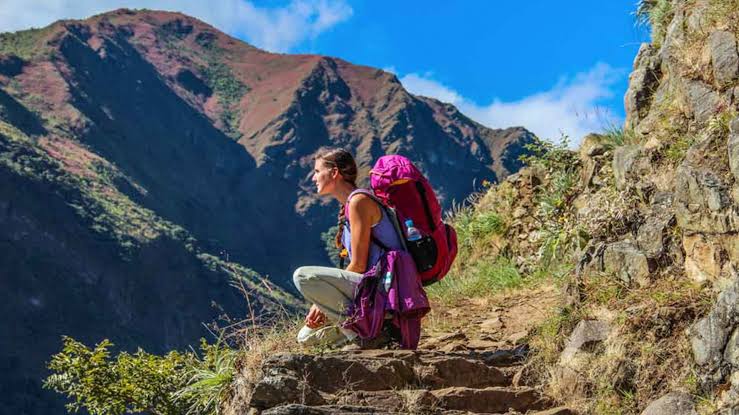
Features that really matter
Choose a trekking model, not a school backpack or a wheeled travel bag.
- Hip belt: transfers part of the weight to your hips. You will notice the difference on long stone steps.
- Chest strap: keeps the shoulder straps from spreading apart on descents.
- Padded shoulder straps and ventilated back panel: less chafing and less sweat on your shirt.
- Rain cover: rain can show up during the wet season and outside of it too.
- Side or front pockets: easy access to water, sunscreen, and snacks without opening the entire bag.
- Low empty weight: a lightweight 20–30 L backpack usually weighs less than 1 kg. If the backpack is already heavy when empty, the day feels longer.
A rain cover does not replace dry bags for your passport, phone, and power bank. It helps during a downpour, not with slow leaks.
How to test it before your trip
Put it on with 3 or 4 kg inside (two water bottles and a jacket).
- The hip belt should sit on your hip bones, not around your soft waist.
- The shoulder straps should not rub your neck raw.
- When you lean forward, the load should not shift toward the front.
If you buy it in Cusco, do this test in the shop. If you travel with your own, use it on 2–3-hour hikes before starting the trek.
Common mistakes when choosing one
- Buying a 40 L backpack “just in case.”
- Taking an urban backpack without a hip belt.
- Choosing an 8–10 L running pack: it will not fit both your rain jacket and water.
- Relying only on it being “waterproof” and not bringing a rain cover.
- Thinking the porter will carry your daypack.
Frequently asked questions
What daypack size is best for the Inca Trail?
Between 20 and 30 litres. A 25–30 L pack is the sweet spot for the 4-day Classic Inca Trail.
Can I use any backpack I already have?
Yes, if it is 20–30 L, has comfortable straps, and preferably a hip belt. You do not need an expensive brand-name model.
Do porters carry my daypack?
No. They carry the duffle bag and camping equipment. You carry your daypack from the checkpoint to the campsite.
Can I take a backpack larger than 30 litres?
You can, but it does not help. The extra capacity is unnecessary, and it usually puts more weight on your shoulders and knees.
Does the backpack need to be waterproof?
It is not essential for the fabric to be 100 % waterproof. A rain cover and dry bags for documents and electronics are strongly recommended.
Where do I leave the rest of my luggage?
In the porter duffle bag and at your hotel in Cusco. The complete breakdown is available in luggage on the Inca Trail.
Once you have chosen your backpack, pack your daily essentials with what to pack in your daypack for the Inca Trail.