


One of the first questions when planning this adventure is how much it costs. The answer is not a single figure, because the price depends on the route you choose, the level of service, and what each package includes. Even so, there are reference ranges that help you know what to expect and, above all, understand why this trek costs what it does. Here is the breakdown for 2027.
How much does the Classic 4-Day Inca Trail cost?
For the full route, which is the most popular, prices for a standard group package in 2027 usually range from approximately 760 to 900 dollars per person. This range includes operators with certified guides, fairly paid porters, and proper equipment for the trail’s temperatures, with the return train included in most cases.
Higher-quality packages, with better services, usually range from 900 to 1,300 dollars per person. The differences within these ranges depend on the type of service, the agency’s reputation, group size, and whether the trek is group or private. You can review exactly what the Classic 4-Day Inca Trail includes before comparing prices.
How much does the 2-Day Short Inca Trail cost in 2027?
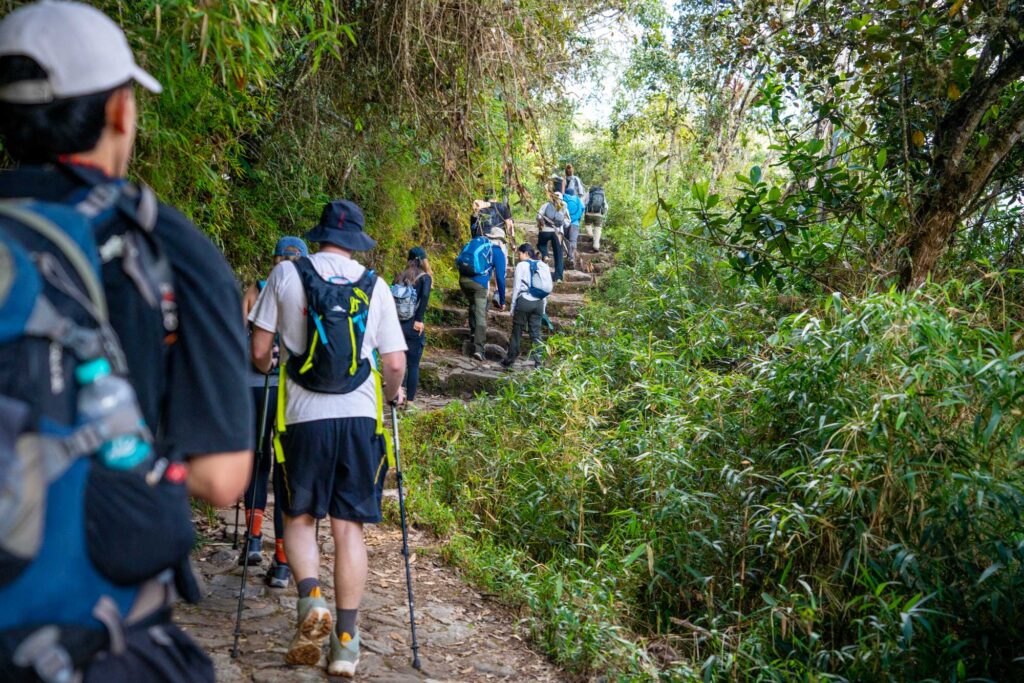
The price of the 2-Day Short Inca Trail, which starts at Km 104 and normally includes one hotel night in Aguas Calientes, can vary depending on the season, space availability, and the type of service booked.
For 2027, it is not advisable to state a single or exact price, as rates may change throughout the year. As a reference, the cost usually falls within an approximate range, but the final price will depend on the travel date and included services.
Although this route is shorter than the Classic Inca Trail, its price is not cut in half. This is because it retains several significant costs, such as the train ticket, bus, accommodation in Aguas Calientes, the corresponding entrance ticket, and guide service.
You can check the details of the 2-Day Short Inca Trail to find out which services are included and request the updated price for your travel date.
Why prices increased for 2027
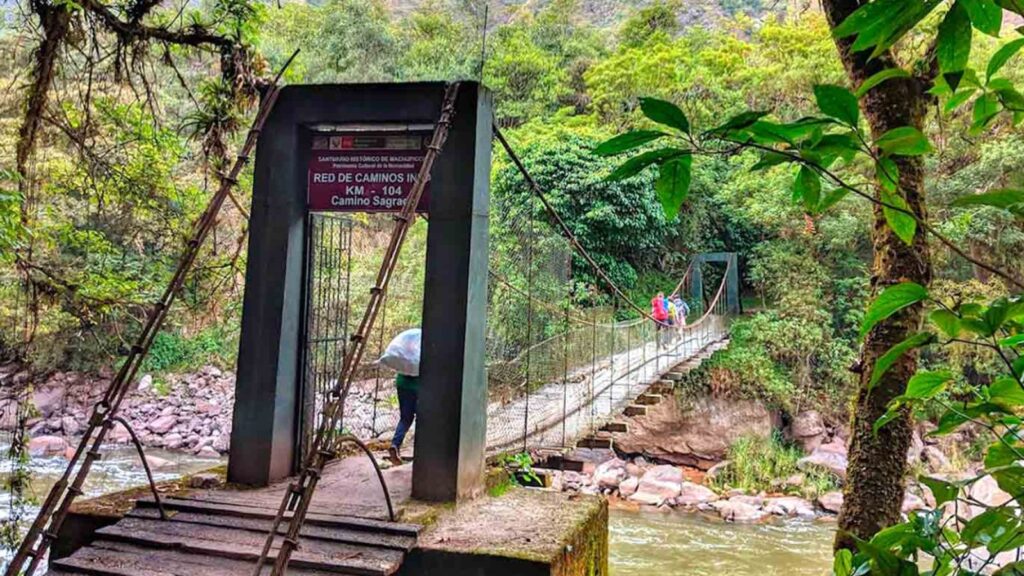
If you compare rates from previous years, you will notice an increase in 2027, and there is a specific reason. A new ministerial resolution changed how entrance fees are managed: access to Machu Picchu, which until 2025 was included in the trek permit, is now charged separately to agencies.
This adjustment is compounded by the general rise in the cost of living and a regulation requiring fairer pay for support staff, such as guides, porters, and cooks. That is why 2027 rates will be slightly higher than in previous seasons, although authorized agencies remain competitively priced among themselves.
What the price usually includes
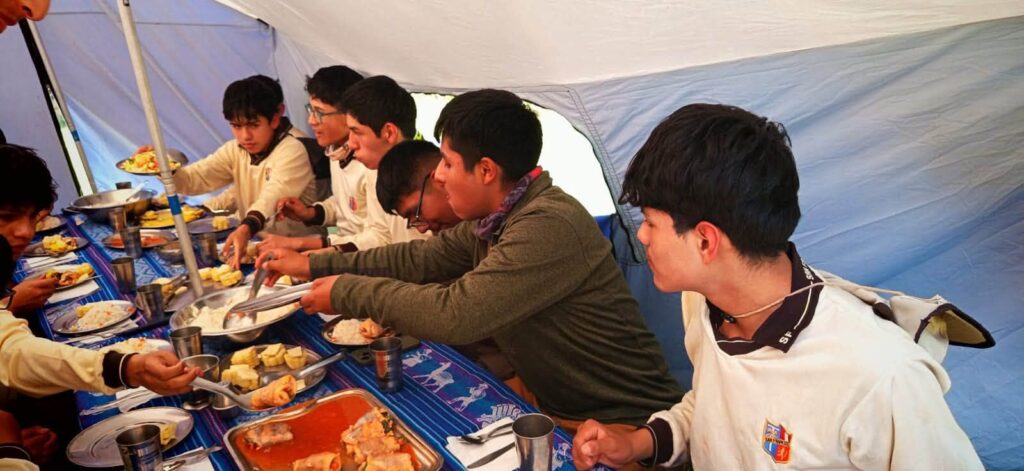
A Classic Inca Trail package normally includes the trail permit, transportation from Cusco to the trailhead, the return train from Aguas Calientes, a bilingual guide, porters, tents, and meals during the trek, except on the last day. From 2026 onward, it is advisable to confirm that entry to the citadel is included, as it is now handled separately from the trekking permit.
Before booking, the key recommendation is to verify exactly what is included and what is paid separately. Two quotes with very different prices are almost always explained by what one includes and the other does not, so price alone should not be the only deciding factor.
The official permit cost in 2027
Within the total Inca Trail price, one portion corresponds to the official entry permit, whose fee is established by the relevant authorities.
For 2027, the permit cost may be subject to updates or changes in official rates. As a reference, the previously applied rate for an adult foreign visitor has been approximately 292 soles per person, but the final amount must be confirmed according to the official rates in effect for the travel date.
The rest of the package price covers the logistics and different services needed to complete the trek, such as transportation, staff, guides, and other services included according to the booked program.
Why the Inca Trail costs more than going by train
Compared with visiting Machu Picchu by train, the Inca Trail is more expensive, and it makes sense that it is. The trek requires permits, licensed guides, meals, campsites, porters, camp logistics, transportation, and entry coordination—an entire operation that a train visit does not require.
In other words, you are not paying only to reach Machu Picchu, but for the experience of hiking for several days along the original trail with all the support that entails. This set of services is what justifies the price difference compared with faster alternatives.
Frequently asked questions
How much does the 4-Day Inca Trail cost in 2027?
A standard group package usually ranges from approximately 760 to 900 dollars per person, while higher-quality options range from 900 to 1,300 dollars. The final price depends on the level of service, group size, and whether it is a group or private trek.
Why doesn’t the short version cost half as much as the 4-day trek?
Because it concentrates high operating costs into a short period: train, bus, one hotel night, and guide services cost the same even though the trek is shorter. That is why its price, approximately between 500 and 590 dollars, does not drop to half the cost of the full route.
Why is the Inca Trail slightly more expensive in 2027?
Mainly because entry to Machu Picchu is no longer included in the trek permit and is now charged separately. This is compounded by the rising cost of living and fairer pay for support staff.
What does the Inca Trail price normally include?
It usually includes the permit, transportation from Cusco, the return train, a bilingual guide, porters, tents, and meals during the trek. It is advisable to confirm whether entry to the citadel is included, as since 2026 it has been handled separately.
Is it worth choosing the cheapest agency?
Not necessarily. A very low rate is often explained by reduced services or poorly paid staff. It is best to compare what each package includes and not decide based on price alone, since the agency plays a major role in your experience.