


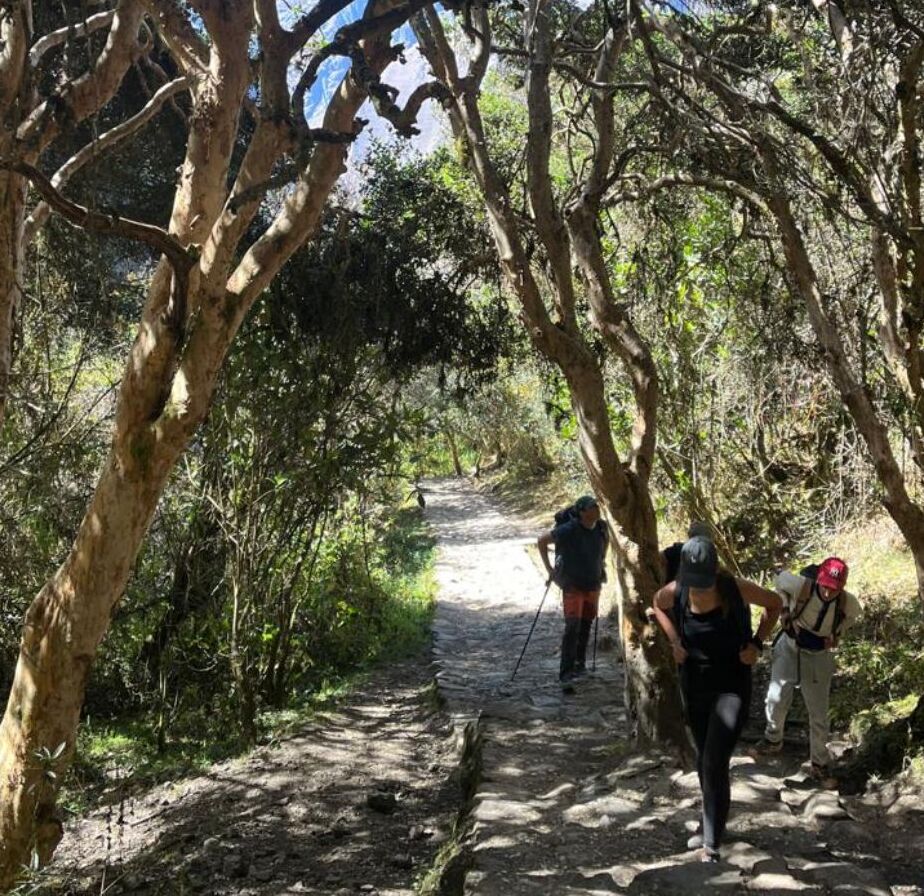
The classic route can go wrong before kilometer 82. These ten mistakes are repeated every season. None of them can be fixed at Warmiwañusca.
1. Not booking permits in time
The mistake is thinking you can buy a spot in Cusco, or with three weeks’ notice. The permit is personal, issued daily, and processed by an authorized agency. In May, June, July, and August, the best dates sell out four to six months ahead.
Book your start date, not your arrival date. If the 4-day trek is full, the 2-day short trek has a separate allocation. There is no waiting list.
2. Breaking in trekking boots on the first day
New boots cause blisters in the first few hours. That blister makes it all the way to Inti Punku.
Buy them two months ahead. Wear them on long hikes and stairs, with the same socks you will use on the trek. Choose soles that grip wet stone. Day 1 is not a test run.
3. Arriving in Cusco the day before
Cusco sits at 3,400 meters. On the second day, you climb to 4,215. One night in a hotel does not produce red blood cells.
Arrive 48 to 72 hours early. Take easy walks around the city or the Sacred Valley, drink water, and skip alcohol. Travelers who get on the bus the day after their flight usually cross the pass in survival mode.
4. Carrying an overly heavy daypack
The porters carry the duffle bag. Your daypack is what you use while hiking: water, rain layer, sunscreen, passport, camera. A change of clothes, books, and extra cables feel three times heavier on the steps.
Weigh it at the hotel. If it is over 6 or 7 kilos, remove something. Buy souvenirs in Aguas Calientes.
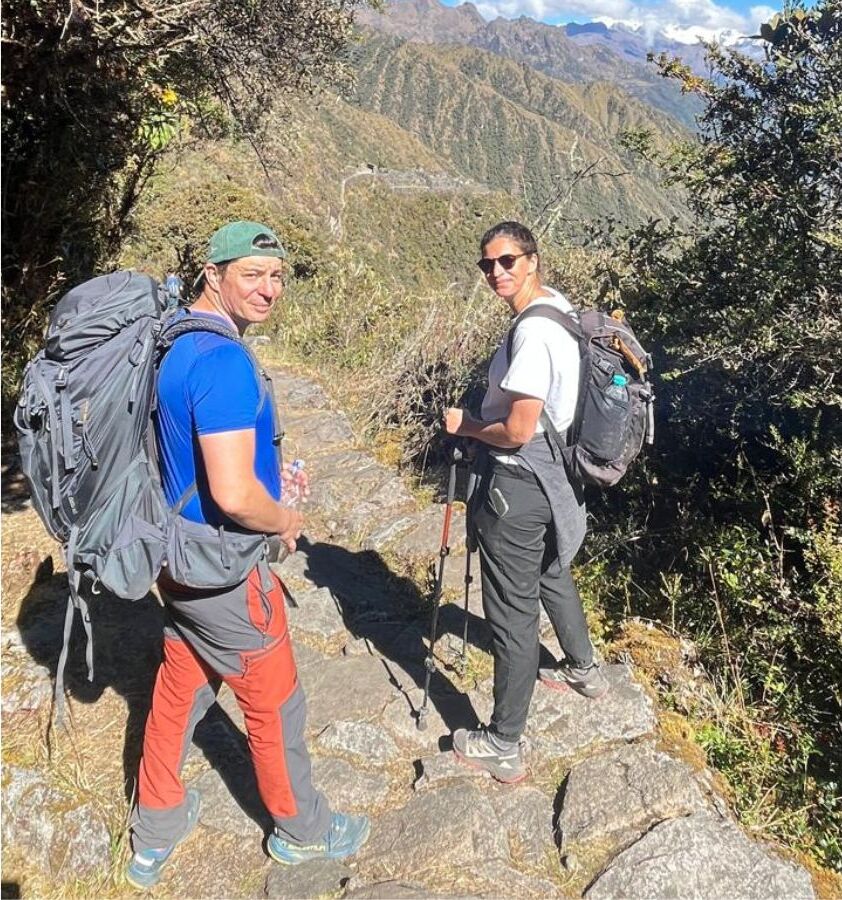
5. Forgetting rubber tips for trekking poles
Exposed metal damages the original stone. At the first checkpoint, they will not let you through with bare tips.
Buy or rent rubber tips in Cusco. Put them on before getting on the bus. If one falls off along the route, there are no replacements.
6. Ignoring the ban on single-use plastics
Supermarket bottles are prohibited in the Sanctuary. The checkpoint will spot them.
Bring a canteen, aluminum bottle, or Camelbak-style hydration bladder. At every meal, the team provides boiled or purified water for refilling. Do not count on a kiosk.
7. Not carrying enough cash in soles
There are no ATMs or card machines. A hundred-dollar bill cannot be changed. Tips are given on the final night, while you are still at camp.
Leave Cusco with 300 to 500 soles in ten, twenty, and fifty denominations, plus coins. Keep the tip envelope separate and counted. Never put it in the duffle bag.
8. Underestimating the cold at night
Peru is not warm valley weather at two in the morning in Pacaymayo. The first two camps are at high elevation. Temperatures drop to 0 °C or below.
Bring a thermal layer for sleeping and a sleeping bag that can handle real cold. A 15 °C bag that works at the beach will not work here. Ayapata, Wayllabamba, or Pacaymayo do not forgive a flimsy borrowed sleeping bag.
9. Leaving your power bank loose in the tent
Cold drains batteries. A phone left in the tent pocket wakes up at zero.
Keep your power bank and phone inside your sleeping bag, in a sock. Charge everything at your Cusco hotel. There are no outlets on the route.
10. Choosing an agency based only on the lowest price
A 4-day classic trek below around 600 or 700 dollars usually cuts back on porters, food, train service, or how the team is treated. The permit costs the same. What gets hidden is the service.
Ask for a breakdown: train, Machu Picchu circuit, duffle bag weight allowance, camp toilet, porter wages. Compare that, not the price. A reputable group trek and a private trek are priced differently; a cheap, unclear option becomes expensive in the mountains.
Frequently asked questions
Does the 2-day short trek involve the same mistakes?
Permit, boots, plastic, trekking poles, and agency mistakes do apply. Acclimatization matters less because you do not climb Warmiwañusca. The need for a 0 °C sleeping bag is also lower: you sleep in a hotel.
How much cash should I bring if I am not buying anything on the route?
Still bring your tip envelope and about one hundred soles in small bills for bathrooms and emergencies. No hundred-sol bills.
Are trekking poles mandatory?
No. Rubber tips are mandatory if you bring them. Without rubber tips, the checkpoint will take them away or leave you without them.
Can I buy a sleeping bag in Cusco the day before?
Yes, as a rental. Ask for one rated for cold weather, not the cheapest one at the counter. Test it that night at the hotel.