


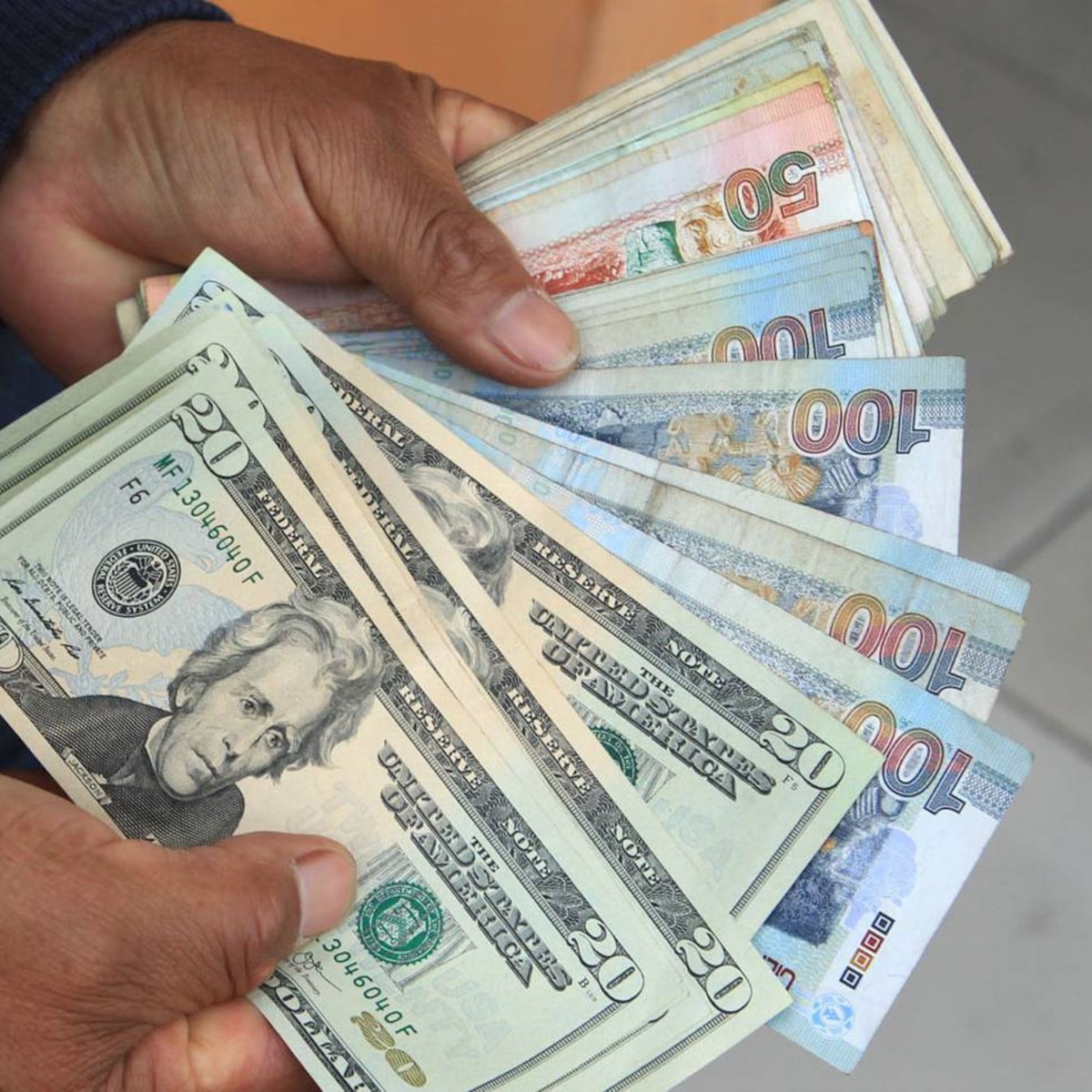
On the final night of camping, the guide gathers the group and explains how tips work. Someone takes out an envelope, it starts going around, and that is when the problem appears: some people have no cash, some only have hundred-sol bills, and others thought they could pay by card. On the Inca Trail, that is not an option. The last ATM was in Cusco, four days earlier, and everything you spend on the route comes from the money you put in your backpack before boarding the bus. This guide tells you how much to bring and what it is spent on.
Why cash is sorted out in Cusco
During the four days of hiking, there are no ATMs, cards are not accepted, and nobody exchanges dollars at a good rate. The next place with banking services is Aguas Calientes, at the end of the route.
That is why you should withdraw and organize your money in Cusco, in soles and small bills. A hundred-sol bill at a campsite is almost useless: nobody has change.
Tips for the team
This is the main expense of the trek and the one most often underestimated. They are not mandatory, but they are part of the income for porters, cooks, and guides, and the custom is well established.
How to give them
The usual practice is to do it on the final night, at the last campsite. The group pools the money and divides it into envelopes: one for the porter team, one for the cook and their assistant, and another for the guide and assistant guide.
There is usually a moment when the full team is introduced before the tips are handed over. It is a great opportunity to personally thank those who carried the campsite for four days.
How much to contribute
It depends on the size of the group, as the amount is shared among all passengers. As a general guideline, budget between 150 and 250 soles per person for the entire team, divided among porters, kitchen staff, and guides.
Ask your agency about the usual amount for your number of passengers and porters before leaving Cusco. It is the only way to arrive with exactly the right amount of cash.
Expenses during the hike
They are small but ongoing, and are mainly concentrated in the first few days.
Drinks and snacks
On the first section, families sell water, drinks, snacks, and beer beside the trail and at the first campsites. Prices rise as you gain altitude because everything has been carried on foot or by pack animal as far as possible.
After the highest pass, the selection practically disappears until the final campsite. Buy what you need while you still can.
Bathrooms and showers
Several bathrooms along the route charge a small fee, and the final campsite usually has paid showers. They only cost a few soles, but you will need coins and small bills.
Bring your own toilet paper too: there is almost never any available.
Expenses before departure
These are paid at the agency office or during the briefing, and many accept cards.
- Rental of a sleeping bag, sleeping pad, or trekking poles.
- An additional porter, if you want to send extra weight ahead or have someone carry your daypack.
- Ticket to hike Huayna Picchu or Machu Picchu Mountain, which must be reserved in advance.
How much weight you can send ahead without booking extras is explained in duffle bag on the Inca Trail.
The final day at Machu Picchu
After the guided visit, several expenses appear all at once.
The bus down from the citadel to Aguas Calientes costs around twelve dollars each way for foreign visitors, and it is not included in many tours. The alternative is to walk down the stair trail.
You will also pay for luggage storage at the entrance to the sanctuary, lunch in Aguas Calientes, which is almost never included, and any purchases in town. If you want to change your train category or schedule, that difference is paid separately.
How much to bring in total
| Item | Estimated amount | When to pay |
|---|---|---|
| Tips for the team | 150 to 250 soles | Final night of camping |
| Drinks and snacks on the route | 50 to 100 soles | First two days |
| Bathrooms and showers | 20 to 40 soles | During the hike |
| Machu Picchu bus down | Around 12 dollars | Final day |
| Luggage storage | A few soles | Entrance to the sanctuary |
| Lunch in Aguas Calientes | 25 to 60 soles | Final day |
Adding everything up, leaving Cusco with between 350 and 500 soles in cash will comfortably cover the trek. If you plan to buy handicrafts or buy rounds at the final campsite, bring more.
How to carry your money
- Keep everything in soles, using ten-, twenty-, and fifty-sol bills, plus coins for bathrooms.
- Split it between two different places in your daypack, never all together.
- Keep it inside a waterproof bag or zip bag: it rains without warning in the cloud forest.
- Never put it in the duffle bag, which travels ahead with the porters.
- Keep tip money separate and already counted, so you do not have to prepare the envelope at the last minute.
Leave anything you will not need at your hotel in Cusco, along with your large suitcase.
Where ATMs are available again
In Aguas Calientes, at the end of the route. There are ATMs there and several businesses accept cards, although the town’s ATMs can run out of cash during high season and charge a fee.
Do not plan to withdraw tip money there: that moment happens the previous night, while you are still at the campsite.
Frequently asked questions
Can you pay by card during the Inca Trail?
No. During the four days, everything is paid in cash and soles. Cards can only be used again in Aguas Calientes.
Are dollars accepted on the route?
Rarely, and at an unfavorable exchange rate. Exchange your money in Cusco before leaving.
Are tips mandatory?
No, but they are a very well-established custom and part of the team’s income. Contribute what you can and give it with the group at the time indicated by the guide.
What should I do if I run out of cash halfway through the trek?
Tell the guide. There is no way to withdraw money on the route, so it is common for another traveler to lend you some and for you to repay them in Aguas Calientes or Cusco.
Is it worth bringing money to buy souvenirs along the way?
There are few handicrafts for sale on the route, and carrying them adds weight. Save those purchases for Aguas Calientes or Cusco, where there is much more variety and better prices.