


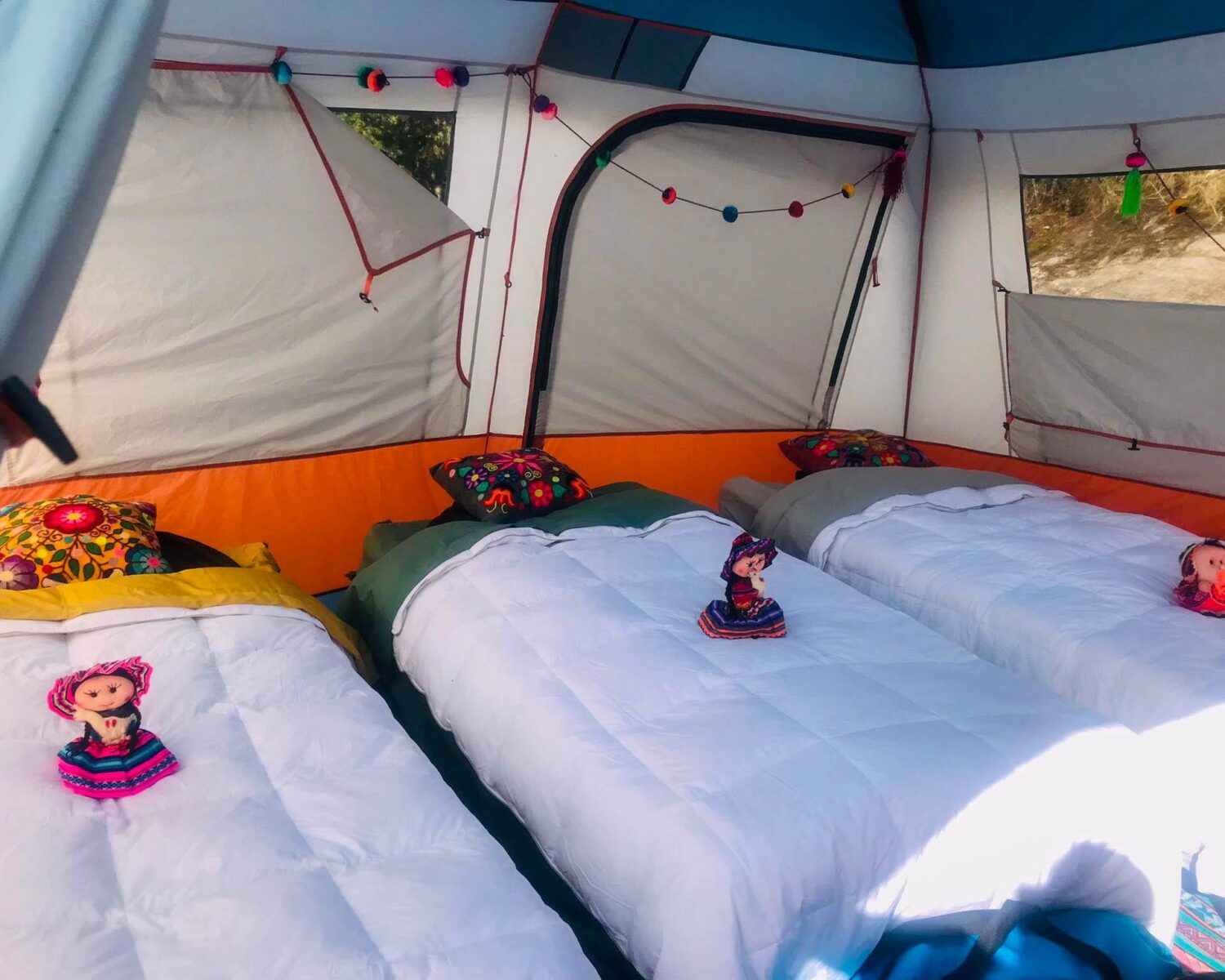
Yes, it is cold. Especially at night and on the highest sections. It is not equally cold along the entire route. Every campsite and every pass has its own number, and that number is determined by altitude. Below is what to expect where you sleep and where you cross the mountains.
Cold on the Inca Trail: a matter of altitude, not the calendar
On this trail, the elevation matters more than the month of the year. A campsite on the cloud forest fringe may feel mild at night. A high-altitude one, on the same trek, can drop to 0 °C. To know whether you will be cold, look at the point on the route, not just the calendar. If you want day and night details for all four days, see the Inca Trail temperature guide. Here, the focus is on campsites and high-altitude areas.
Inca Trail campsites and their temperatures
On the classic four-day route, you sleep at three campsites. Each one is at a different elevation. The second night is usually when you feel the cold the most.
Wayllabamba: the first night, the mildest one
Wayllabamba is at around 3.000 m s. n. m. It is the first campsite and, almost always, the mildest. At night, temperatures are usually between 5 °C and 12 °C during the dry season, and between 8 °C and 15 °C during the rainy season. You sleep better than on the following nights, just before the day of Warmiwañusca.
Pacaymayo: the coldest campsite on the route
Pacaymayo is at around 3.600 m. It is the highest and coldest campsite. You arrive after crossing Warmiwañusca. At night, it can drop to 4 °C or lower, especially in June and July. It is located in cloud forest. Here, your sleeping bag and dry clothes truly matter.
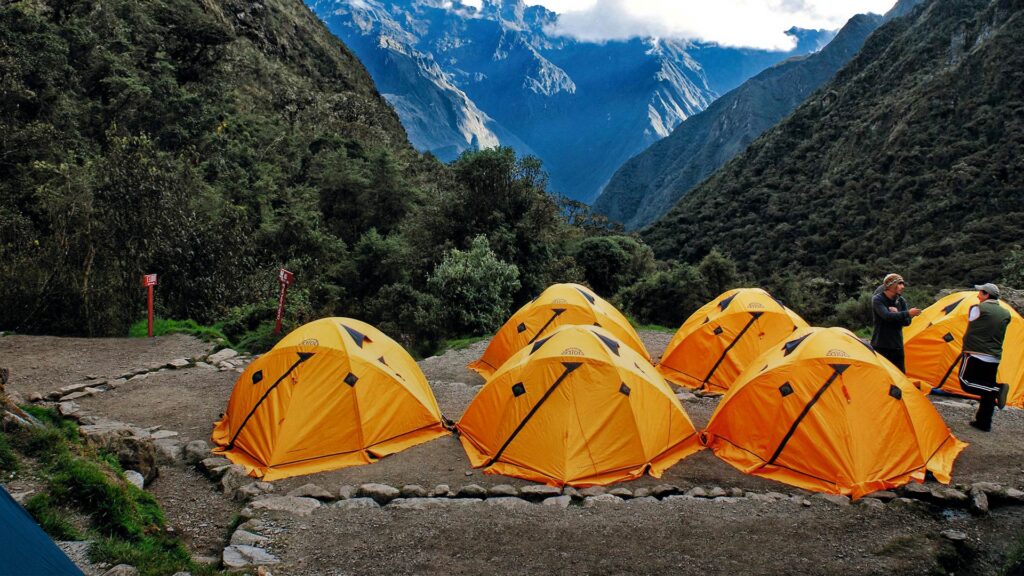
Wiñay Huayna: rest in the mountain jungle
The third campsite is at around 2.650 m, already on the cloud forest fringe. It is the mildest and most humid. Nighttime temperatures hover around 13 °C. The cold is no longer in charge; the forest’s moisture is. It is the eve of Machu Picchu.
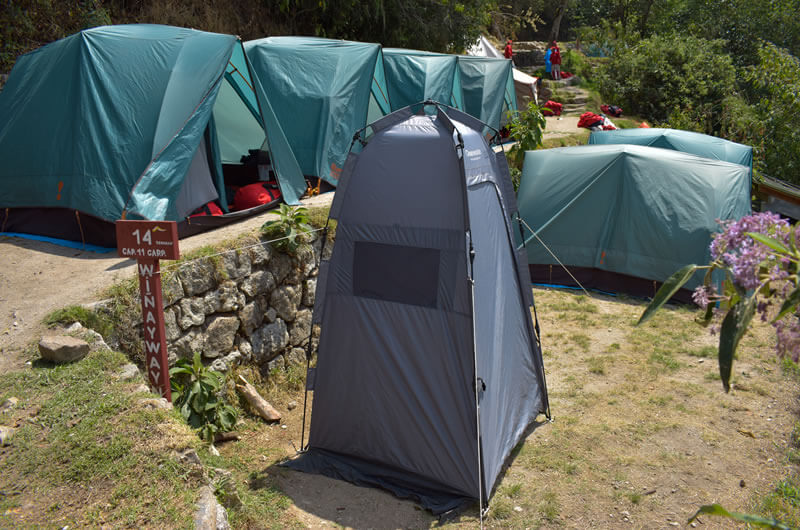
High-altitude areas: the coldest points of the trek
The nighttime cold is concentrated in the tent. During the day, it is in the passes. There is more wind there and less shelter from the valley.
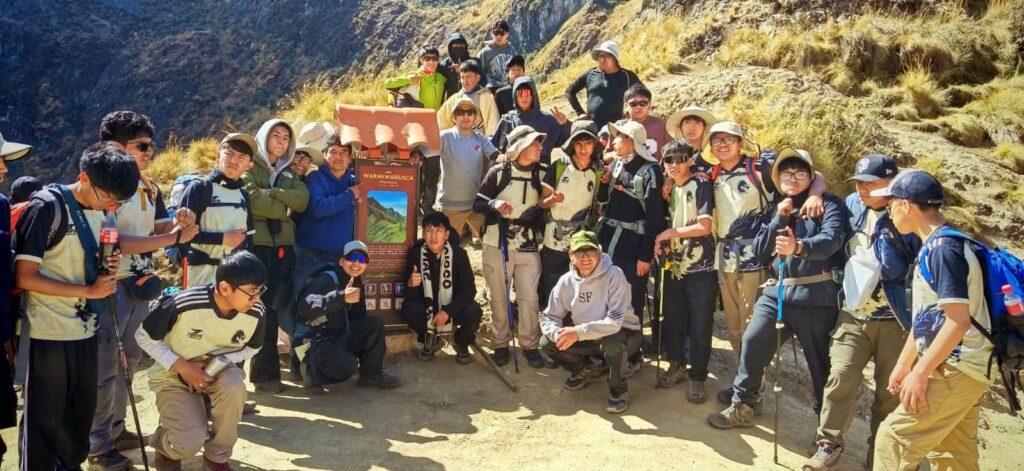
Warmiwañusca (Dead Woman’s Pass)
It is the highest point on the trail: around 4.215 m. During the day, temperatures are usually between 5 °C and 7 °C. During the coldest hours, they can reach 0 °C. The wind at the pass makes it feel colder. It is the most demanding section: altitude, steepness, and cold all at once.
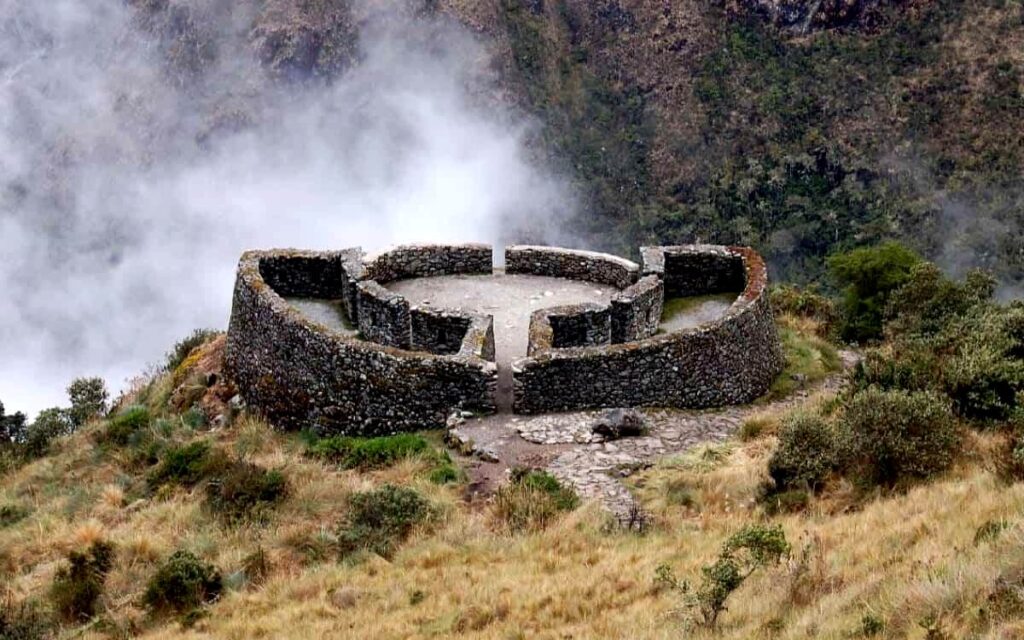
Runkurakay Pass
The second pass is at around 3.800 m. It is not as high as Warmiwañusca, but it is still exposed and cold compared with the lower sections. You cross it on the third day, when the route begins descending toward the mountain jungle.
Wind factor and wind chill
At the passes, the thermometer reading does not tell the whole story. Wind lowers the perceived temperature. A windproof layer is just as useful as fleece: it prevents heat loss when the pass is exposed.
How to stay warm at night in the campsites
Sleeping warm matters as much as hiking well. These three items are especially useful at Pacaymayo.
Sleeping bag by season
Your sleeping bag is what saves your night. Choose one with a comfort rating of around -5 °C to -10 °C, especially in June and July. A sleeping bag with too limited a temperature range is the most common reason for a bad night.
Thermal clothing and layering system
Thermal top and bottoms for sleeping. During the day: a base layer, fleece, and a windproof garment. When you reach camp, change damp clothes for dry ones. This habit prevents more cold than adding another jacket.
Key accessories to retain heat
Your head, hands, and feet get cold first. Bring a hat for sleeping, gloves, thick socks, and a sleeping pad that separates your bag from the ground. Without a pad, the cold from the ground takes away your warmth.
Practical tips for sleeping warm at altitude
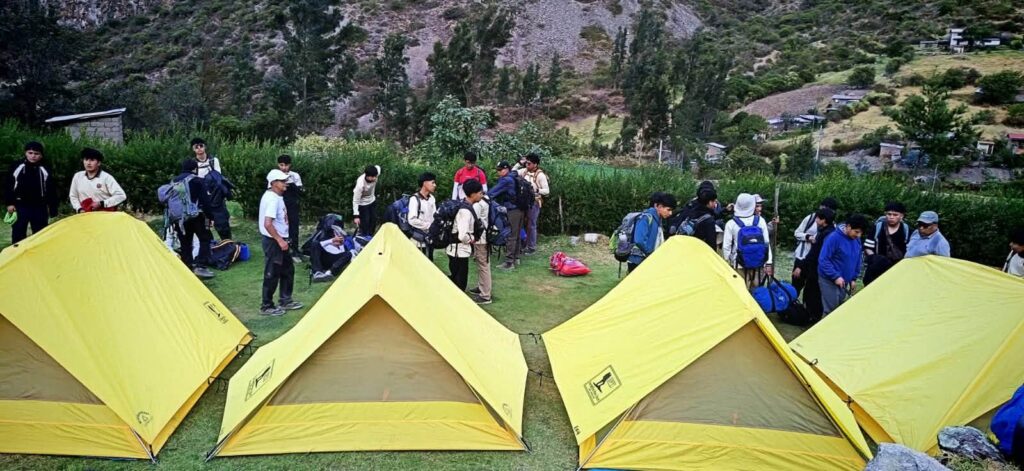
When you arrive, change clothes. Make the most of afternoon tea to warm up. Drink water during the day: at altitude, dehydration worsens the way your body regulates temperature. Sleep with a hat and dry socks. Put the next day’s clothes inside your sleeping bag, so you do not get dressed in frozen garments. A few gentle movements before getting in help more than staying still while already cold.
Frequently asked questions about cold at campsites
Which is the coldest campsite on the Inca Trail?
Pacaymayo, at around 3.600 m. It is just after Warmiwañusca. At night, it can drop to 4 °C or lower, especially during the dry season.
What temperatures can you expect at high-altitude campsites?
Wayllabamba, at night: 5 °C to 12 °C. Pacaymayo: 4 °C or lower. Wiñay Huayna: around 13 °C.
Is it cold when crossing the mountain passes?
Yes. Warmiwañusca (4.215 m) and Runkurakay (3.800 m) are the coldest points during the day. Temperatures are usually between 5 °C and 7 °C, with wind making it feel colder.
What sleeping bag do I need to avoid getting cold?
One with a comfort rating of -5 °C to -10 °C, especially in June and July. With that, you can sleep at Pacaymayo without cutting it too close on gear.