


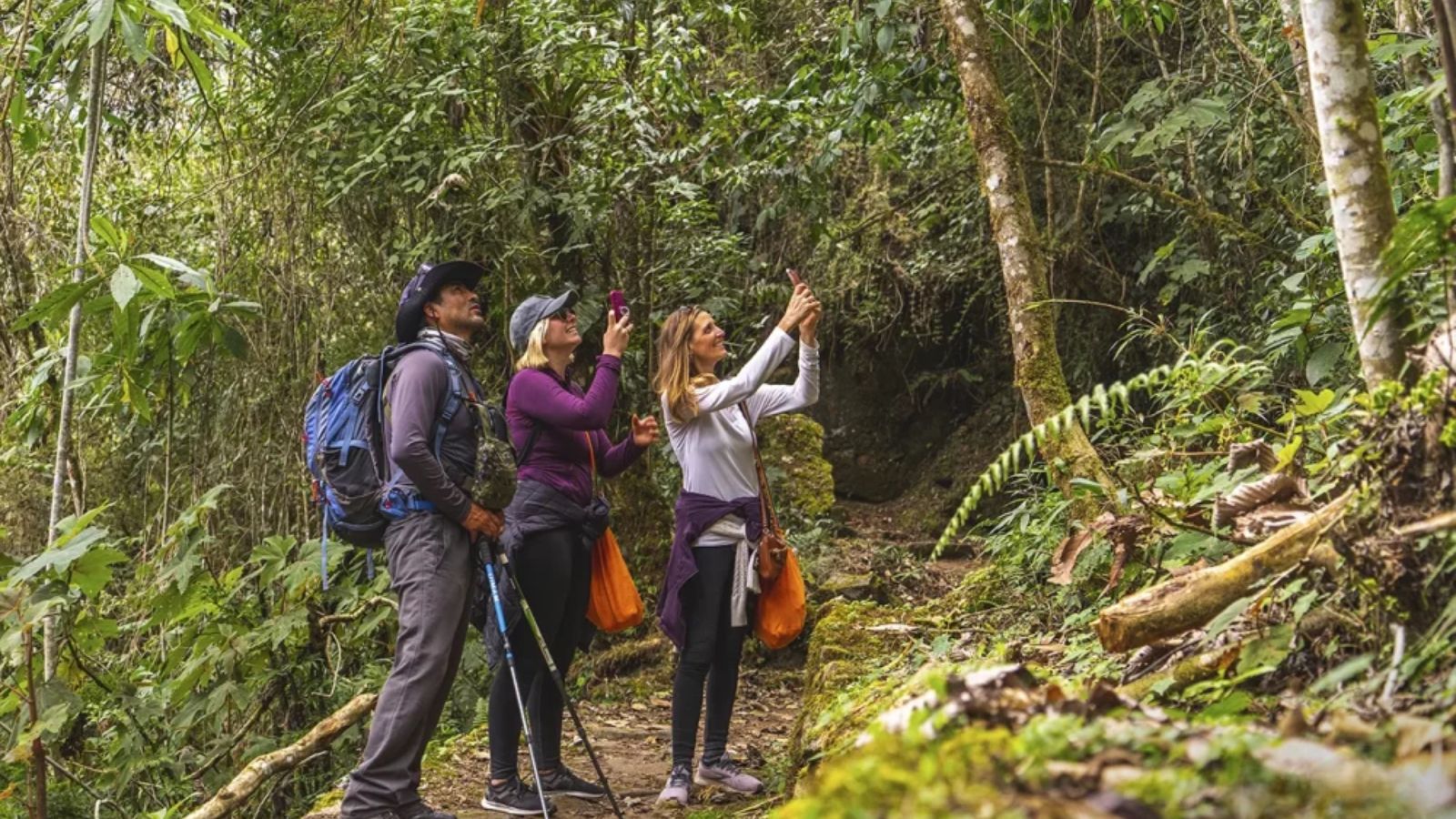
Before booking the Inca Trail, it is important to have clear expectations. This trek combines physical effort, camping conditions, and days at high altitude, and not all travelers enjoy it in the same way. Knowing what to expect helps you decide whether this route suits what you are looking for on your trip.
The purpose of this guide is not to discourage you, but to avoid surprises. Booking with realistic expectations often makes the difference between enjoying the trek and feeling that the challenge was greater than expected.
What kind of experience it really is
The Inca Trail is a multi-day trek, not a light excursion to Machu Picchu. The journey carries as much weight as the final visit to the citadel, and much of the experience lies in the effort of the trek itself.
Travelers looking for a comfortable and quick arrival at Machu Picchu will probably feel better with another option. On the other hand, those who value the journey itself usually find exactly what they expected on this route.
What to expect from the physical effort
The level of difficulty is one of the aspects most often underestimated before booking. The route requires a reasonable level of fitness and the ability to walk for several hours over consecutive days.
You do not need to be an athlete, but you do need to prepare
Completing the Inca Trail does not require the fitness level of an athlete, but it is not something to improvise either. Arriving with a base level of endurance, built through hiking and exercise in the weeks beforehand, completely changes the experience.
An unprepared traveler may end up suffering through the trek instead of enjoying it. Physical preparation beforehand is an investment you will notice every day, especially on the most demanding ones.
The altitude factor
Altitude is something many travelers do not fully understand until they are on the trail. Walking above 4.000 m s. n. m. does not feel the same as walking at sea level, and it affects your pace even if you are in good shape.
Spending a few days acclimatizing in Cusco before starting is a step you should not skip. Everyone responds differently to altitude, so booking with enough time to adapt is part of good planning.
What to expect from camping conditions
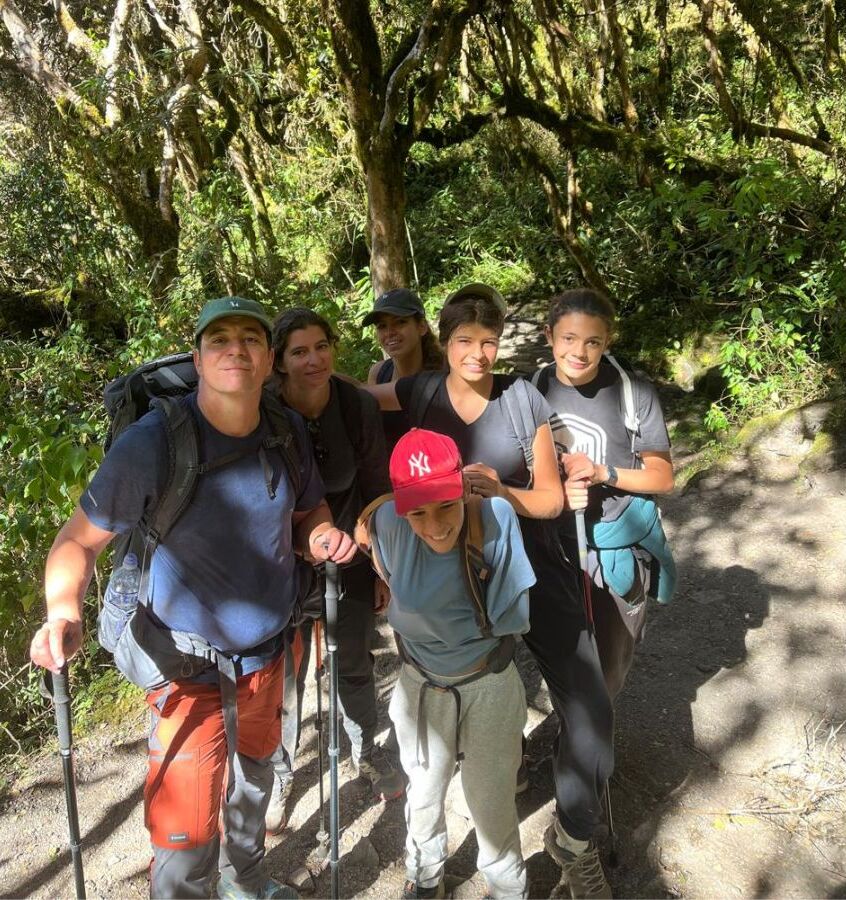
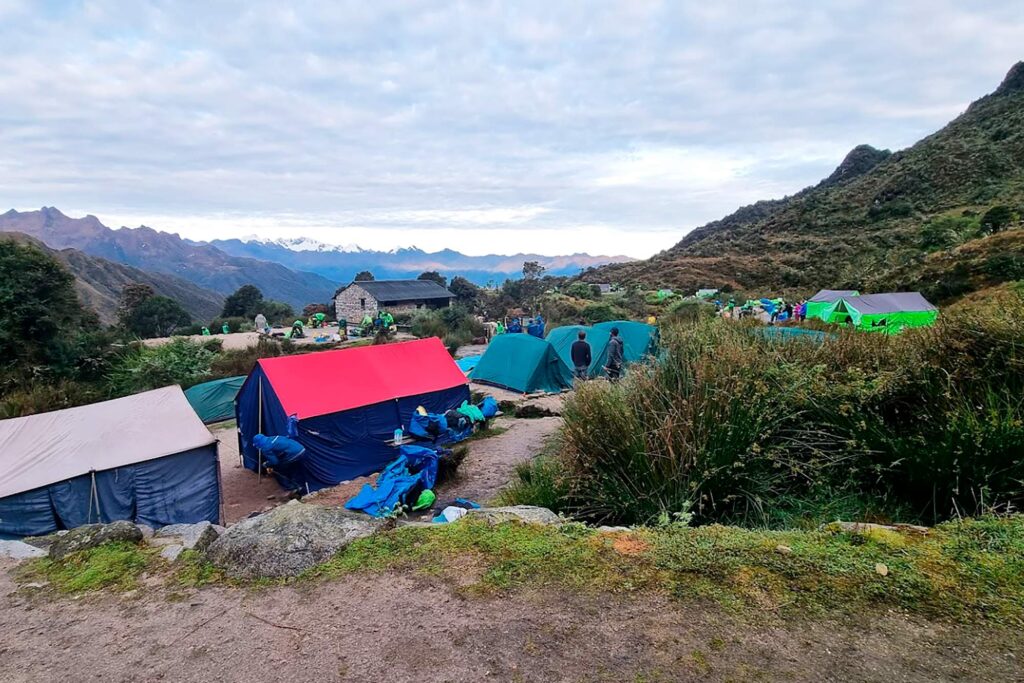
The classic route involves sleeping in tents for three nights, with the basic comforts of camping. This includes shared bathrooms, low nighttime temperatures, and limited space to rest.
For some travelers, this part is an adventure; for others, it is an inconvenience that is hard to manage. Being clear about this before booking prevents mistaken expectations about the trek’s comfort level.
What to expect from the weather
The weather can change throughout the trek, with intense cold at night and in high-altitude areas, as well as the possibility of rain depending on the season. These changes are part of the route, and it is best to accept them in advance.
Bringing layered clothing and waterproof protection helps you adapt to every stage. A flexible attitude toward weather changes is just as important as the gear you decide to bring.
What to expect regarding other travelers
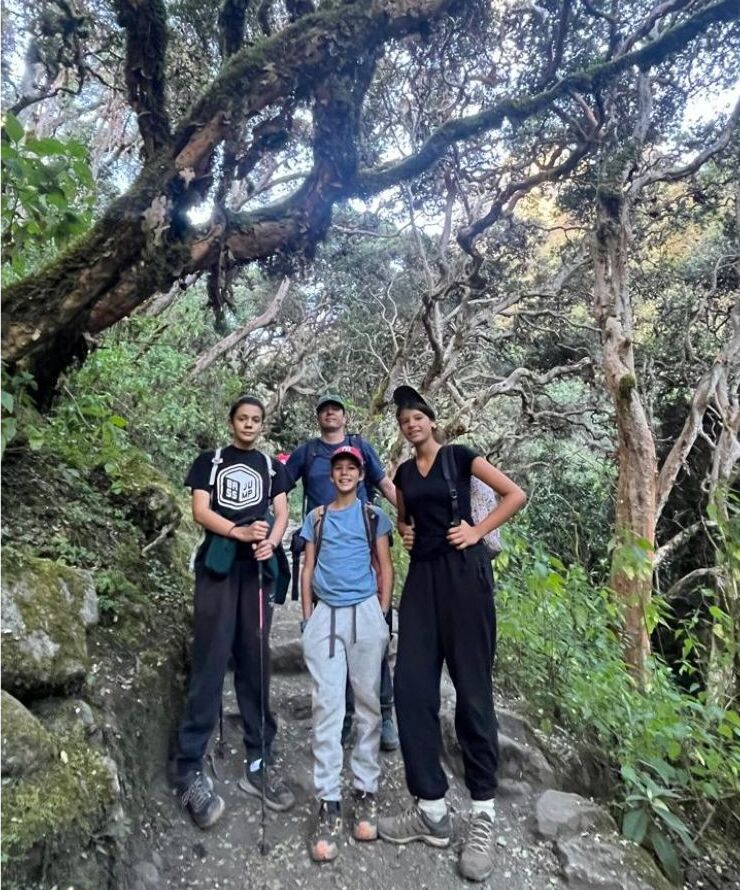
Although access is regulated and limited, the route is not empty. At campsites, rest stops, and the final sections, several groups may coincide, especially during high season.
Expecting complete isolation can lead to disappointment. Realistically, you can expect some quiet sections and others with more hikers, depending on the time of day and the season.
What to check before confirming your booking
Not all programs offer the same things, even if they have similar names. Before confirming, it is worth comparing what each one includes to avoid major differences in comfort, meals, and support.
What the program includes
Check whether the service includes meals, camping equipment, return transportation, a guide, and assistance along the route. A lower initial price may not cover items you will later need to pay for separately.
Also confirm which items you need to bring yourself or rent, such as a sleeping bag or trekking poles. These details affect both your rest and your final budget.
Group size
The number of people in the group affects the pace, the guide’s attention, and the overall dynamic of the trek. Small groups usually offer a more personalized experience than larger departures.
Asking about the maximum group size before booking gives you a clearer idea of what the trek will be like. It is information that is often not clearly shown in the program description.
Who it is worth it for and who it is not
The Inca Trail is usually worth it for those who enjoy physical challenges, nature, and a different way of arriving at Machu Picchu. It is a good option if the journey, not just the destination, is part of what you are looking for.
It may not be suitable for travelers with limited time, those who prefer more comfort, or those who do not want to hike at high altitude for several days. In those cases, other ways of reaching the citadel may be a better fit for the trip.
Frequently asked questions
Is the Inca Trail very difficult for a beginner?
It is a demanding route, but a beginner with good physical preparation and acclimatization can complete it. You should not treat it as an easy hike or attempt it without prior training.
What surprises travelers the most?
The effects of altitude and the demands of long days tend to be more surprising than the distance itself. Camping conditions can also be different from what some travelers expect.
Can I hike the Inca Trail if I do not camp regularly?
Yes, although you should know that you will sleep in a tent for three nights with basic comforts. If you prefer to avoid camping, the two-day short version is an alternative worth considering.
Is it worth booking far in advance?
Yes. Spaces are limited and sell out months in advance, especially during high season. Booking early gives you access to your preferred dates and time to prepare.
What happens if I change my mind after booking?
Change or cancellation conditions depend on each agency and on the permit, which is personal. That is why it is best to review the policies before confirming and be sure about your decision when booking.