


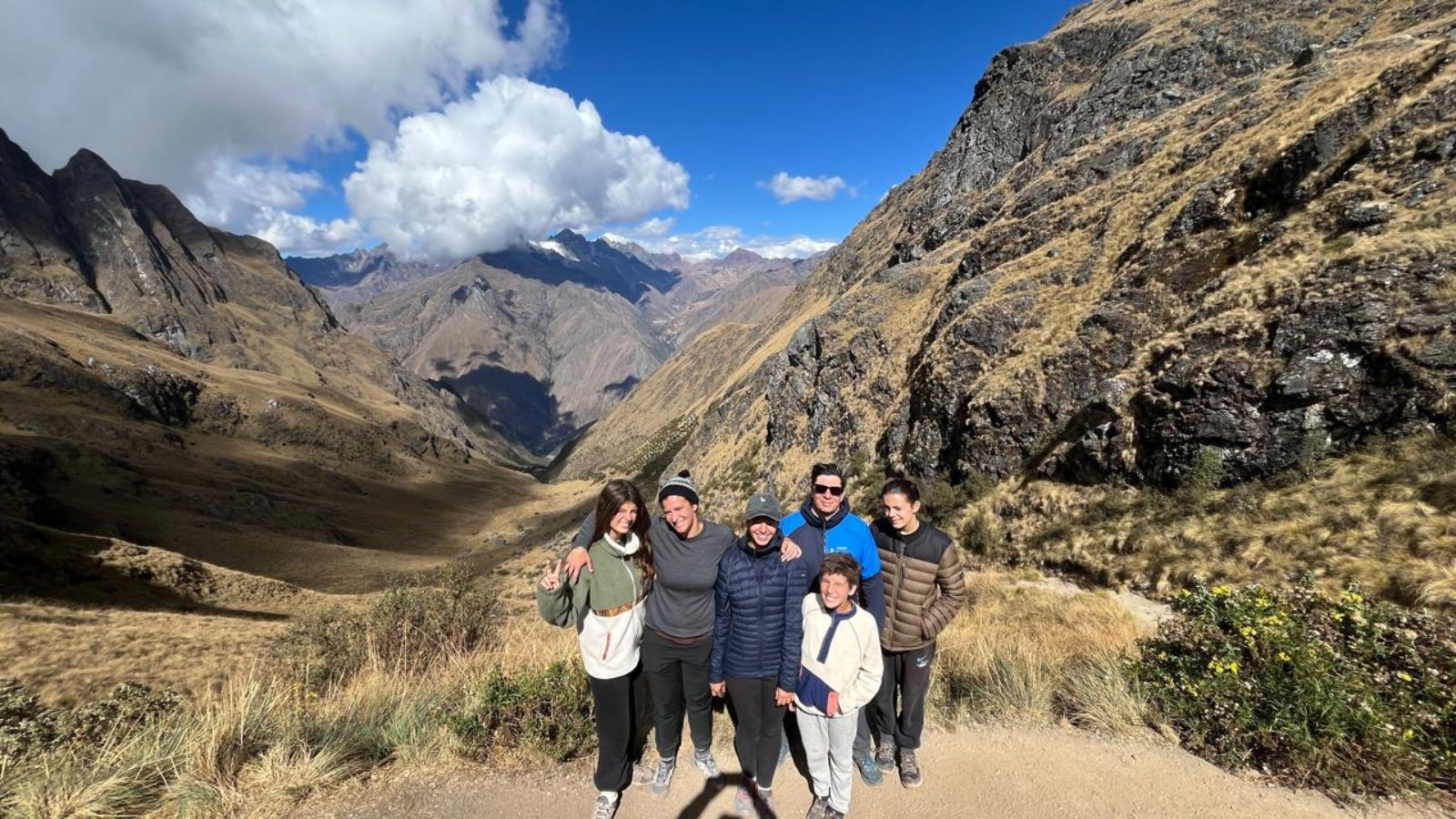
Altitude is, without a doubt, the most important factor on the Inca Trail, and knowing what elevations you will face is key to preparing your body. The highest point on the classic route exceeds 4,200 metres above sea level, an elevation where the air contains significantly less oxygen. Understanding these elevations and how to prepare for them can make the difference between enjoying the trek and suffering through it. Here are the route’s elevations and how to handle them.
What is the highest altitude on the Inca Trail?
The highest point on the classic route is Warmiwañusca Pass, known as Dead Woman’s Pass, which sits at approximately 4,215 metres above sea level. This pass, crossed on the second day, is the highest point of the entire route and also its greatest physical challenge.
To put that figure into perspective, it is considerably higher than the city of Cusco itself, which stands at around 3,400 metres, and far above Machu Picchu, which is about 2,400 metres. Warmiwañusca Pass is therefore the high point of the experience and the section that requires the most acclimatisation.
Altitudes along the route
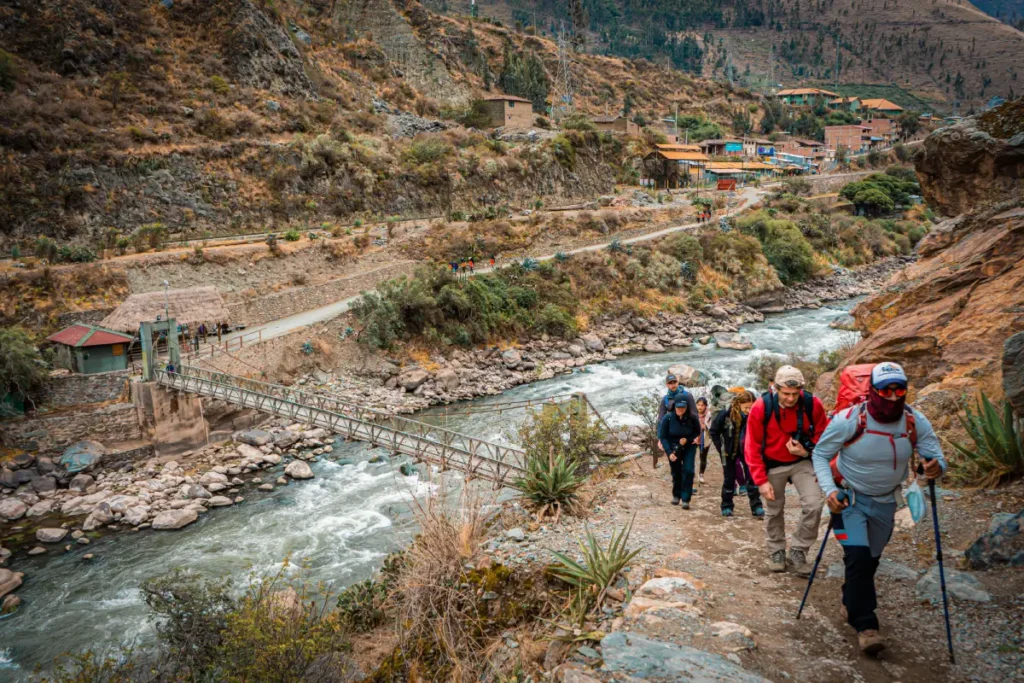
The Inca Trail is not walked at a constant elevation; instead, it climbs and descends dramatically. The classic trek begins at Km 82, at around 2,700 metres, and gradually ascends towards the first campsite on the first day. The major climb comes on the second day, with the ascent to Warmiwañusca Pass.
After this highest point, the route alternates between descents and smaller climbs before finally reaching Machu Picchu at a lower altitude. This roller coaster of elevations explains why your body works differently each day, and why the second day brings the greatest challenge due to altitude.
Why altitude is the biggest challenge
At high altitude, the air contains less oxygen, making any effort feel harder and causing the body to tire sooner. This is the cause of altitude sickness, or soroche, which can bring headaches, nausea, dizziness, or shortness of breath and can affect anyone regardless of their fitness level.
The important thing to understand is that altitude sickness is not a sign of weakness or poor fitness, but the body’s natural response to lower oxygen levels. The key is not to push through by force, but to give your body the time it needs to adapt before challenging it at higher elevations.
How to prepare for altitude
Preparing for altitude does not happen in the gym, but mainly in the days before the trek. The most effective measure is acclimatisation: arrive in Cusco or the Sacred Valley at least two or three days before starting the route, allowing your body to gradually adapt to breathing with less oxygen.
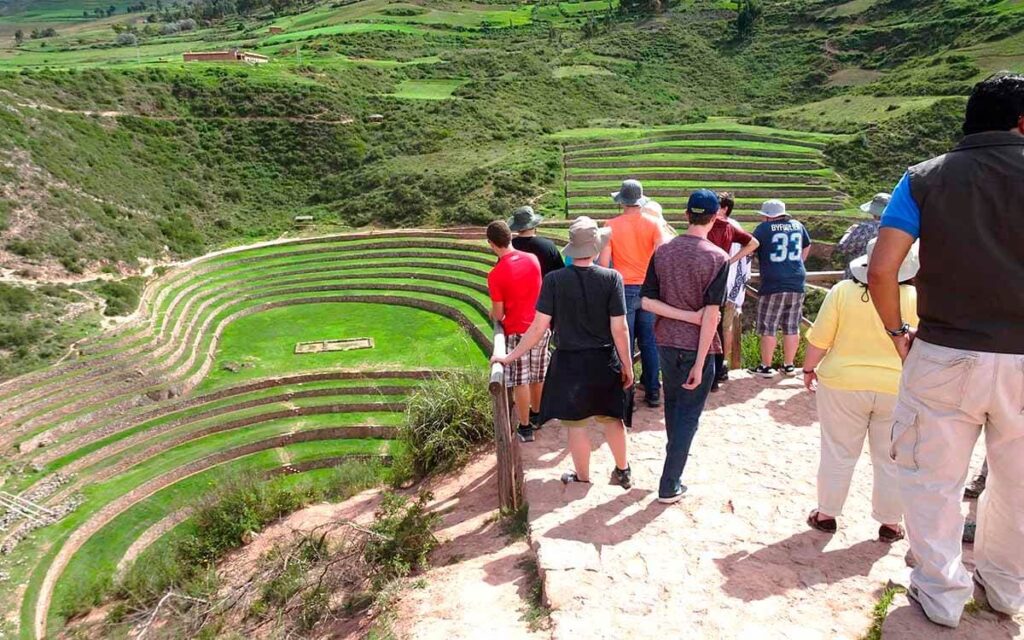
During those acclimatisation days, it is best to take things easy, go on gentle walks, and avoid intense effort as soon as you arrive. The Sacred Valley, which is at a lower altitude than Cusco, is even a good base for acclimatising more gradually before ascending to higher elevations.
Habits that help you adapt
A few simple habits make it easier to adapt to altitude: stay well hydrated, eat light meals, avoid alcohol during the first few days, and do not overexert yourself at the start. Coca tea, traditional in the region, is a common ally for travellers looking to manage their first days at altitude more comfortably.
During the trek: pace is everything
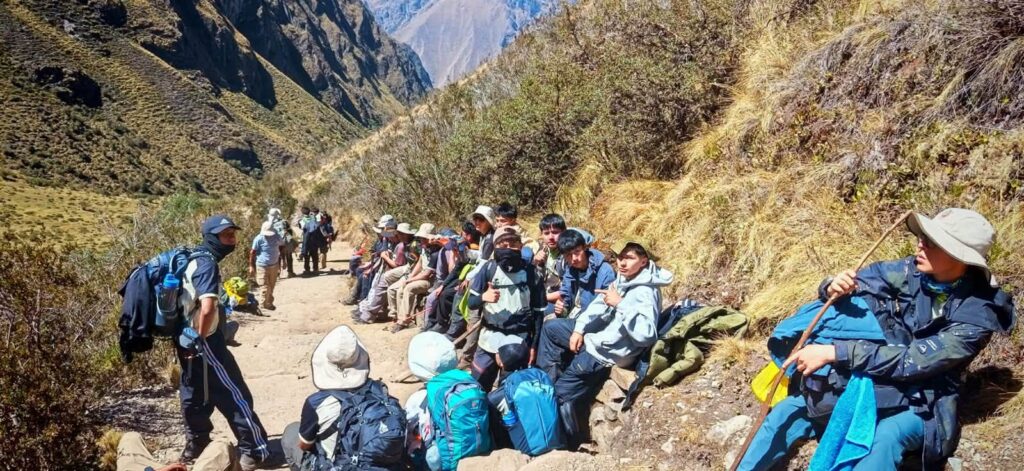
Once on the route, the best way to manage altitude is to walk slowly and steadily, especially on the ascent to the highest pass. Moving at an unhurried pace, with deep breaths and frequent breaks, allows your body to work without becoming overwhelmed. It is not a race, and a steady pace is exactly what gets you to the top without exhaustion.
The guide plays an essential role here, setting an appropriate pace and paying close attention to how each member of the group responds. In addition, the team carries an oxygen cylinder for emergencies, an important backup that provides peace of mind in case of any altitude symptoms.
A lower-altitude alternative
If the altitude of the classic route concerns you, there is an option that takes place at much lower elevations. The 2-day Short Inca Trail begins at Km 104 and follows a lower-altitude route, without approaching the more than 4,200 metres of Warmiwañusca Pass, which significantly reduces the impact of altitude.
This makes it a gentler alternative for those who are especially sensitive to altitude or have fewer days to acclimatise. Even so, if you prepare well and acclimatise properly, the 4-day Classic Inca Trail, with its high mountain pass, is a completely achievable challenge.
Frequently asked questions
What is the highest altitude on the Inca Trail?
The highest point is Warmiwañusca Pass, at approximately 4,215 metres above sea level, crossed on the second day of the classic route. It is the highest elevation and the greatest physical challenge on the entire trail.
Does altitude sickness depend on my fitness level?
No. Altitude sickness can affect anyone, regardless of their fitness level, because it is the body’s natural response to lower oxygen levels. Prior acclimatisation is what helps prevent it most.
How many acclimatisation days do I need?
It is recommended to arrive in Cusco or the Sacred Valley at least two or three days before starting the route. This time allows your body to gradually adapt to the lower oxygen levels.
How do I manage altitude during the trek?
Walk slowly and steadily, with deep breaths and frequent breaks, especially on the ascent to the highest pass. The guide sets an appropriate pace, and the team carries emergency oxygen if needed.
Is there a lower-altitude route?
Yes. The 2-day Short Inca Trail takes place at a lower altitude and does not approach Warmiwañusca Pass, greatly reducing the impact of altitude. It is a great alternative for travellers who are sensitive to altitude.