


Choosing when to hike the Inca Trail directly affects your experience: the weather, the number of people on the trail, and permit availability vary considerably depending on the season. There is no single perfect month for everyone; it depends on what you prioritize, whether it is good weather, avoiding crowds, or finding permits more easily. Here you will see what each time of year is like to help you decide on the best date for your trek.
The Two Inca Trail Seasons
The weather in the Inca Trail area is basically divided into two distinct seasons: the dry season and the rainy season. The dry season runs approximately from May to September, with sunny days and little chance of rain, while the rainy season lasts from October to April, with more frequent and heavier rainfall.
This division is key to understanding when to go. Each season has clear advantages and disadvantages, and knowing them allows you to choose based on what you value most for your trek, whether it is stable weather or a trail with fewer people.
The Dry Season: The Most Favorable Weather
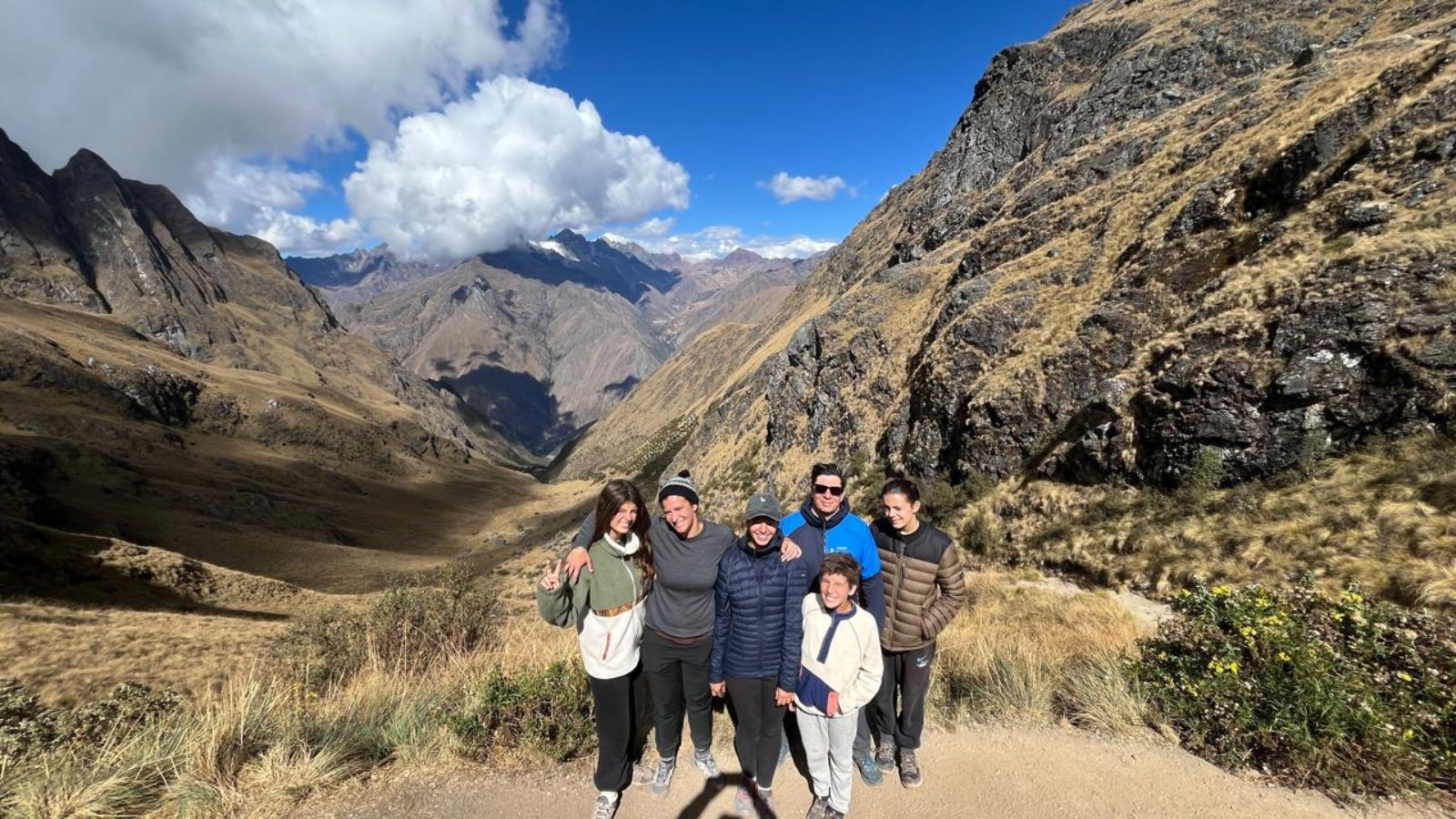
From May to September is the dry season, considered by many to be the best time to hike because of the stable weather. Days are usually sunny and clear, with less mud on the trail and better views of the mountains and Machu Picchu, making the trek more comfortable and photogenic.
The trade-off is that this is also the busiest and most sought-after season. Since it is preferred by most travelers, permits sell out further in advance and there are more people on the trail. In addition, camping nights are colder during these months, something to keep in mind when preparing your gear.
The Most Popular Months
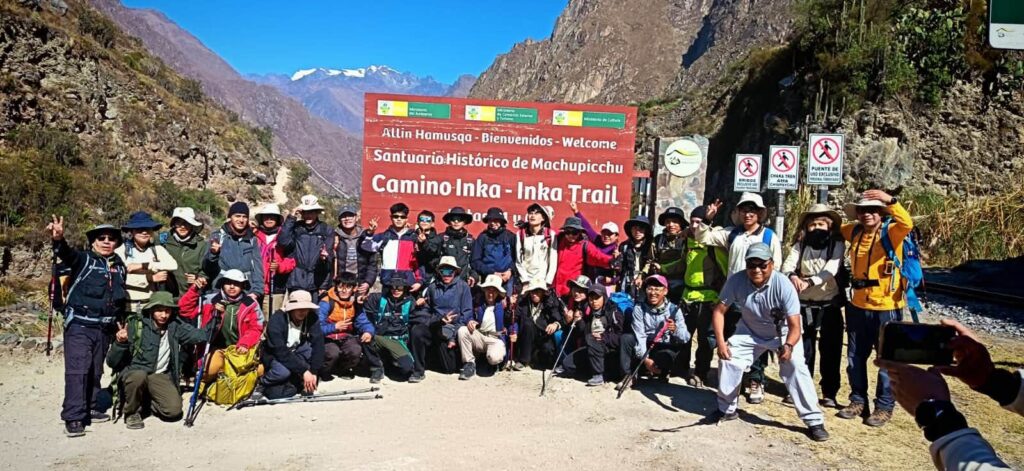
Within the dry season, the middle months of the Andean winter are in highest demand, when the best weather coincides with holidays in many countries. If you plan to travel during this period, booking several months in advance is essential to secure your permit, as these dates fill up first.
The Rainy Season: Fewer People, More Humidity
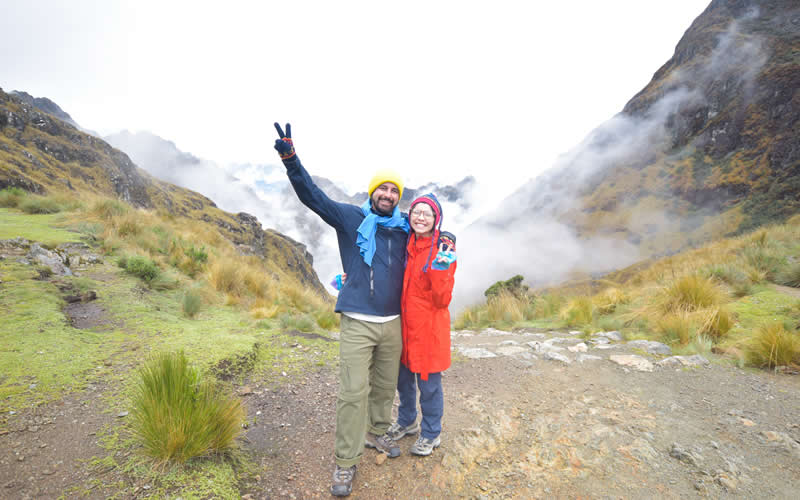
From October to April, the rains arrive, bringing a different experience. The great advantage is that there are fewer travelers on the trail, greater permit availability, and an especially green and lush landscape. For those seeking peace and quiet and hoping to avoid crowds, this season has its appeal.
The obvious downside is the rain, which can make the trail slippery, muddy, and views sometimes covered by clouds. It requires good waterproof gear and a willingness to hike in wet conditions. Nighttime temperatures, however, tend to be somewhat less cold than during the peak dry season.
February: The Trail Closes
An essential fact to consider when planning is that the Classic Inca Trail remains closed throughout February for maintenance and conservation work, which coincides with the peak of the rainy season. During that month, it is not possible to do the classic route under any circumstances.
If your trip must take place in February, you will need to adjust your dates to hike in January or March, or consider alternative routes to Machu Picchu that do not depend on the Inca trail. This closure also concentrates more demand in the nearby months, something to keep in mind.
So, What Is the Best Time?
If your priority is the best weather and the best views, the dry season from May to September is the safest option, in exchange for more people and the need to book well in advance. Shoulder months, such as May and September, offer a good balance between stable weather and slightly smaller crowds.
If you prefer peace and quiet, green landscapes, and greater ease in getting permits, the rainy season may be the right time for you, as long as you are prepared for wet conditions and avoid February. Whatever you choose, both the Classic Inca Trail 4 days and the Short Inca Trail 2 days operate for nearly the entire year, except for the February closure.
Frequently Asked Questions
What Is the Best Time to Hike the Inca Trail?
The dry season, from May to September, is the most recommended because of its stable weather and better views. In exchange, it is the busiest season and requires booking well in advance. The shoulder months offer a good balance.
Can You Hike the Inca Trail During the Rainy Season?
Yes, from October to April except February. There are fewer people, greater permit availability, and very green landscapes, but the trail can be slippery and muddy, so you need good waterproof gear.
Why Does the Inca Trail Close in February?
It closes throughout February for maintenance and conservation work, which coincides with the peak of the rainy season. During that month, it is not possible to do the classic route, so you must hike in January or March, or choose an alternative route.
Which Months Have the Most People on the Trail?
During the peak dry season, especially in the middle months of the Andean winter, when the best weather coincides with holidays in many countries. These are the dates when permits sell out first.
Is the Inca Trail Very Cold?
Camping nights are cold, especially during the peak dry season, when early mornings at high altitude see temperatures drop considerably. During the rainy season, nights tend to be somewhat less cold, although more humid.