


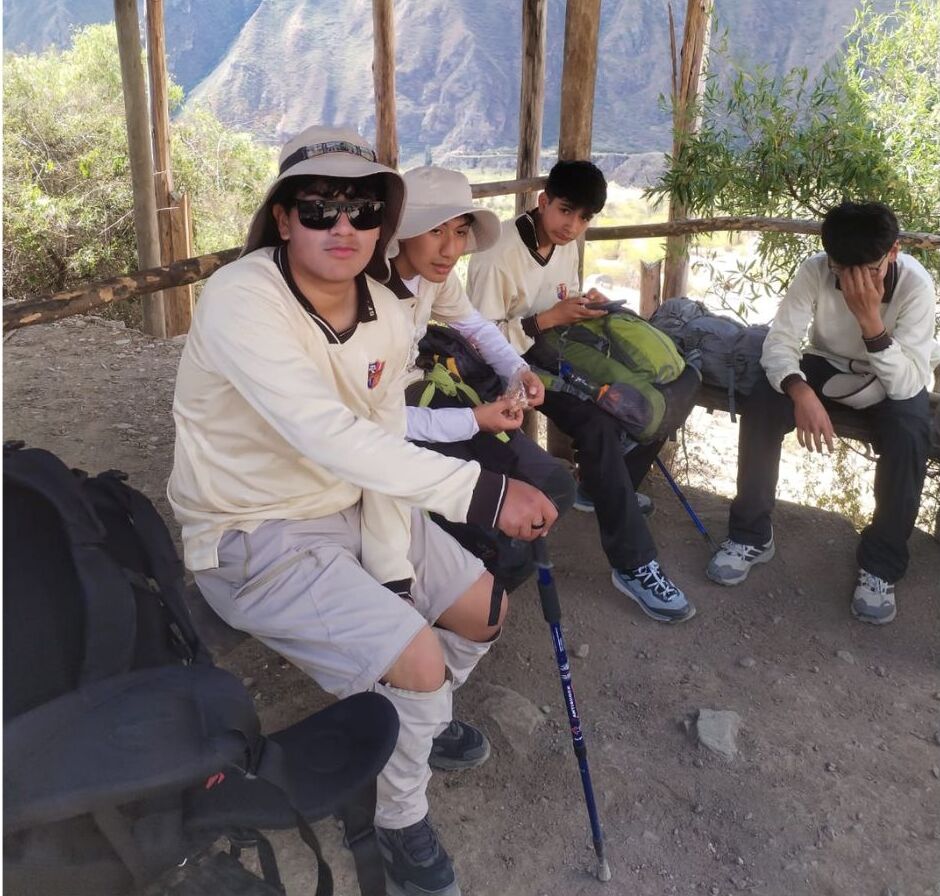
Altitude sickness, known locally as soroche, is the main health challenge on the Inca Trail and affects travelers of all ages and fitness levels. The good news is that, with the right precautions, it can largely be prevented and managed if it occurs. Here you will learn what it is, how to recognize it and, above all, how to reduce the risk so you can enjoy the trek safely. This guide is for informational purposes and does not replace advice from a healthcare professional.
What is altitude sickness and why does it occur?
Altitude sickness occurs when the body is exposed to high elevations, where the air contains less oxygen than it is used to. On the Inca Trail, this is relevant because the classic route rises above 4.200 meters at its highest point, an elevation where the body needs to adapt in order to function normally.
It is important to understand that it does not depend on fitness level: it can affect both an athlete and someone who is sedentary. It is the body’s natural reaction to lower oxygen levels, and its intensity varies from person to person, with no fixed rule that can fully predict it.
Most common symptoms to watch for
The most common symptoms of mild altitude sickness include headache, fatigue, dizziness, nausea and difficulty sleeping. They usually appear within the first few hours after arriving at high altitude and, in mild cases, tend to improve as the body acclimatizes.
Recognizing these signs early is helpful for taking action, such as resting and staying hydrated, before the discomfort worsens. Reporting any symptoms to your guide during the trek is essential, as they are experienced in recognizing and handling these situations along the route.
Acclimatization is the best prevention
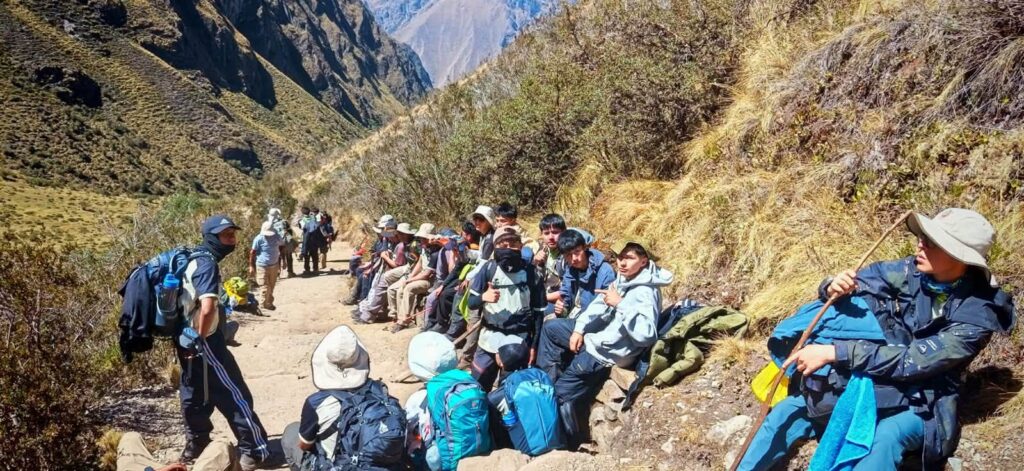
Without a doubt, the most effective preventive measure is acclimatization. This means arriving in Cusco or the Sacred Valley at least two or three days before starting the trek, giving your body time to gradually adapt to the altitude before facing the route’s highest point.
During those first few days, it is best to take it easy, do light activity and avoid intense exertion as soon as you arrive. Since the Sacred Valley is at a lower altitude than Cusco, it can be a useful base for more gradual acclimatization before heading up to higher elevations.
Practical recommendations to prevent it
Beyond acclimatization, several habits can help reduce the risk. Staying well hydrated by drinking water regularly is one of the most important, along with eating light meals and avoiding alcohol and tobacco during the first days at altitude, as they make it harder for the body to adapt.
Coca tea, a traditional Andean infusion, is widely used by locals and travelers to cope with the first days at altitude. During the trek, moving slowly, breathing deeply and not pushing yourself too hard are key to helping your body work without becoming overloaded at high elevations.
Consult a healthcare professional before your trip
There are medications that some travelers use to help prevent altitude sickness, but their suitability and use should always be discussed with a doctor before the trip, never taken on your own. A healthcare professional can guide you based on your medical history, especially if you have a pre-existing condition that may be affected by altitude.
What to do if symptoms appear during the trek
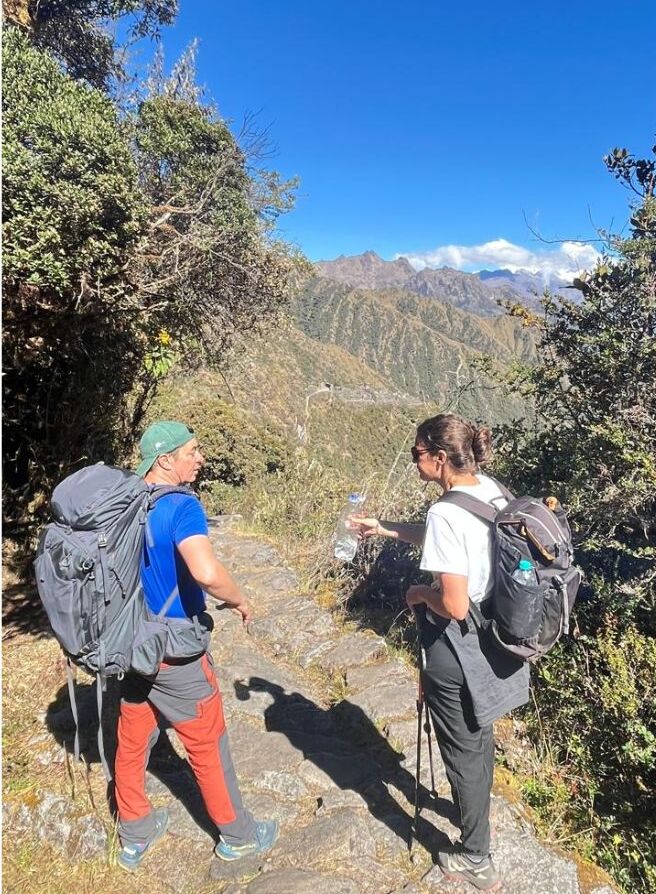
If you notice mild symptoms during the trek, the first step is to tell your guide, slow down, rest and stay hydrated. In many cases, mild discomfort improves when you give your body a break. The tour team carries an emergency oxygen cylinder and a first-aid kit, providing added peace of mind in these situations.
If symptoms worsen or do not improve, the general rule in the mountains is not to continue ascending and to descend to a lower altitude, always following the guide’s judgment. Listening to your body and communicating how you feel are the best safety tools throughout the route.
A lower-altitude alternative
For those who are especially sensitive to altitude or have only a few days to acclimatize, there is an option that greatly reduces exposure to high elevations. The 2-day Short Inca Trail takes place at lower elevations and does not approach Dead Woman’s Pass, reducing the risk of altitude sickness.
Even so, with proper acclimatization and by following the recommendations, the 4-day Classic Inca Trail is entirely achievable despite its high altitude. Prevention and respecting your body’s pace are what allow you to successfully tackle its highest point.
Frequently asked questions
What is soroche or altitude sickness?
It is discomfort that occurs when you are exposed to high elevations, where there is less oxygen. It can cause headache, fatigue, nausea or dizziness, and affects people of any fitness level because it is the body’s natural response to low oxygen levels.
How can altitude sickness be prevented on the Inca Trail?
The best prevention is acclimatization: arrive in Cusco or the Sacred Valley two or three days before the trek. It also helps to stay well hydrated, eat light meals, avoid alcohol and tobacco during the first days, and move slowly along the route.
Can I take medication to prevent it?
Some travelers use medication as support, but its use should always be discussed with a doctor before the trip, never taken on your own. A professional can guide you based on your medical history and any pre-existing conditions you may have.
What should I do if I feel unwell during the trek?
Tell your guide immediately, slow down, rest and stay hydrated. The team carries emergency oxygen and a first-aid kit. If symptoms worsen, the general recommendation is not to continue ascending and to descend according to the guide’s judgment.
Does coca tea help with altitude?
It is a traditional Andean infusion that locals and travelers commonly use to cope with the first days at altitude. It is part of local custom as support during acclimatization.