


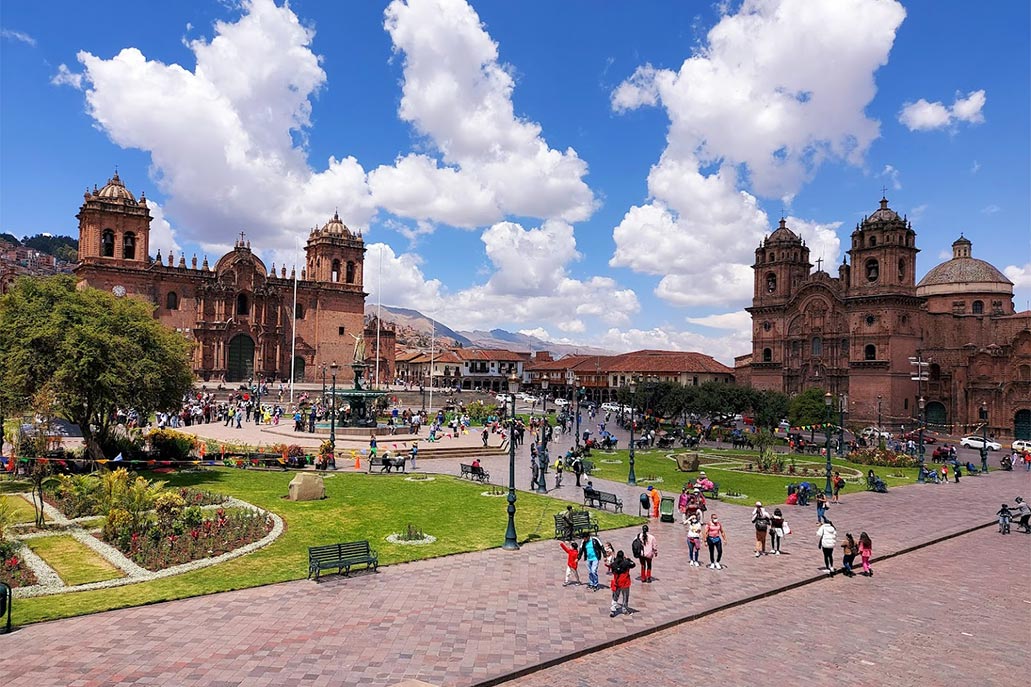
Can you reduce the risk of altitude sickness before the Inca Trail? Yes. If you travel from Europe, North America, Brazil, or sea-level Lima, prevention starts on the plane and during your first nights in Cusco, not on the second day of hiking.
Cusco sits at around 3,400 m. The Classic Inca Trail climbs to 4,200 m at Warmiwañusca. Anyone arriving after a long flight needs to sleep at this altitude before putting on a backpack. This guide covers only those days beforehand.
How many days should you spend in Cusco if you are coming from abroad?
Two nights is the minimum. Three is best if you are coming from a sea-level city or if your flight left you without sleep. One night is almost never enough: your body has not even completed a full sleep cycle at 3,400 m.
A layover in Lima does not count as acclimatization. Lima is at sea level. Cusco is your first real hit of altitude.
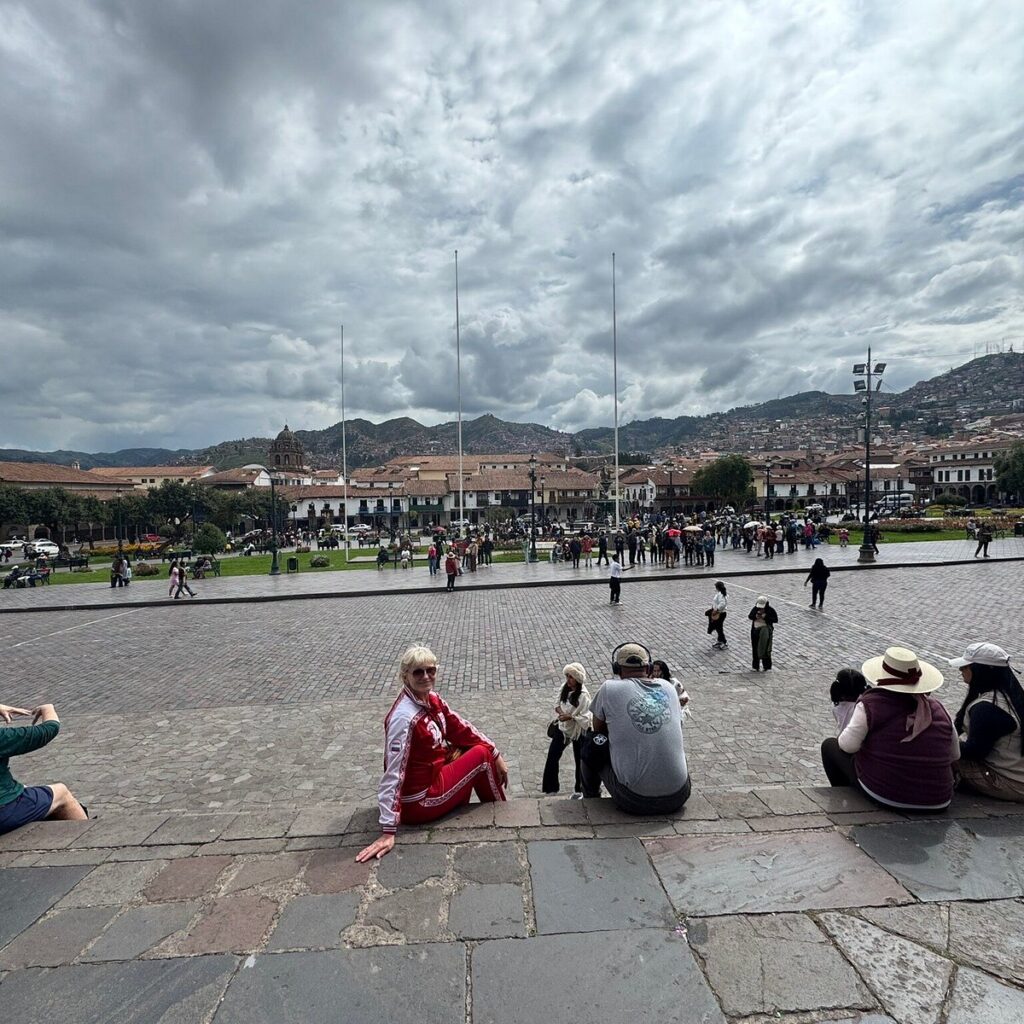
What should you do on the day you land?
Go from the airport to your hotel and slow down. Jet lag adds up. Cusco’s city center is hilly: walk slowly, without trying to “make the most of the afternoon” with a four-hour tour.
Eat light. Drink water. Go to bed early, even if your home clock says otherwise. Your first sunset is not for a pisco sour or beer: alcohol during your first hours at altitude often takes its toll the next day.
Does sleeping in the Sacred Valley help?
Yes. Urubamba and Ollantaytambo are lower than Cusco. Many travelers find their second night easier there than in the city. It works well if you leave for Km 82 the next day.
Does coca tea and altitude medication help?
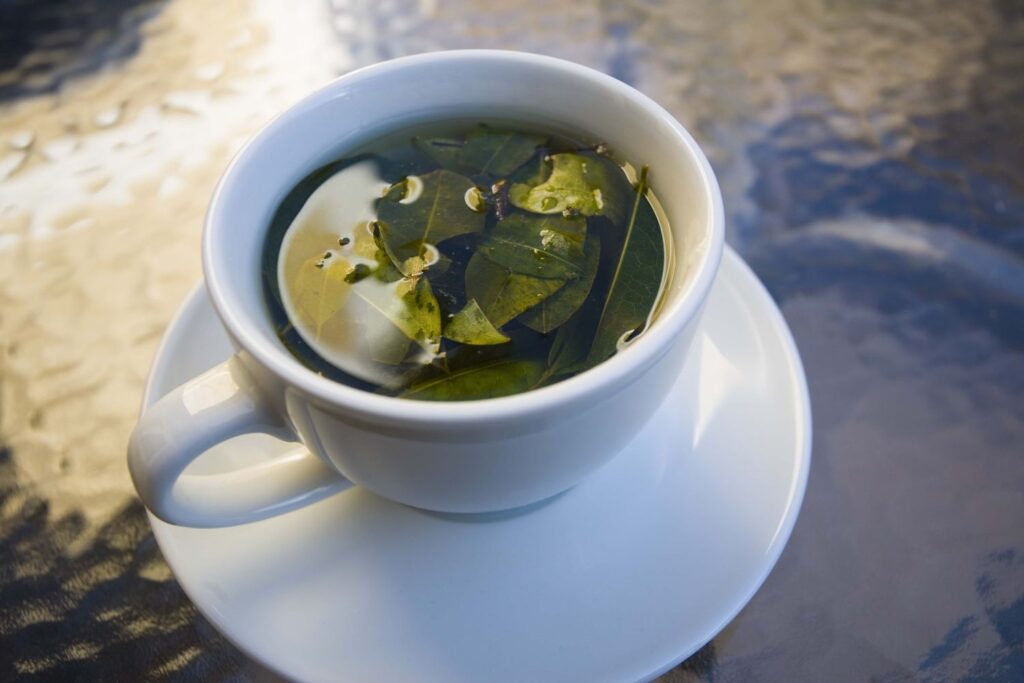
Coca tea is what nearly every hotel offers at check-in. Some people find it helpful. It is not a medication and does not replace nights of sleep at altitude.
If your doctor at home prescribed altitude medication, follow their instructions. Do not buy it the day before at a pharmacy in Cusco or take someone else’s medication from your group.
How much water should you drink, and how do you know you are not ready to leave yet?
Drink more than you do at home. Cusco’s dry air dehydrates you even if you do not feel hot. A shortened first night is common. If your headache does not ease by the second or third day, or if you have vomiting, let the agency know before heading to the Inca Trail checkpoint.
Sometimes an extra night in the valley is added. Sometimes the itinerary is changed to the 2-day Inca Trail. What to do if symptoms appear once you are already on the route is covered in the other guide.
Frequently asked questions
Can I start the Inca Trail on the same day I arrive in Cusco?
It is not a good idea. The flight and the altitude together leave no room for adjustment.
I am coming from Lima. Do I still need days in Cusco?
Yes, if you were at sea level in Lima. The Lima–Cusco flight is short, but the change in altitude is abrupt.
Does coca tea prevent altitude sickness?
It helps some people feel more comfortable. It does not replace sleeping two or three nights in Cusco or in the valley.