


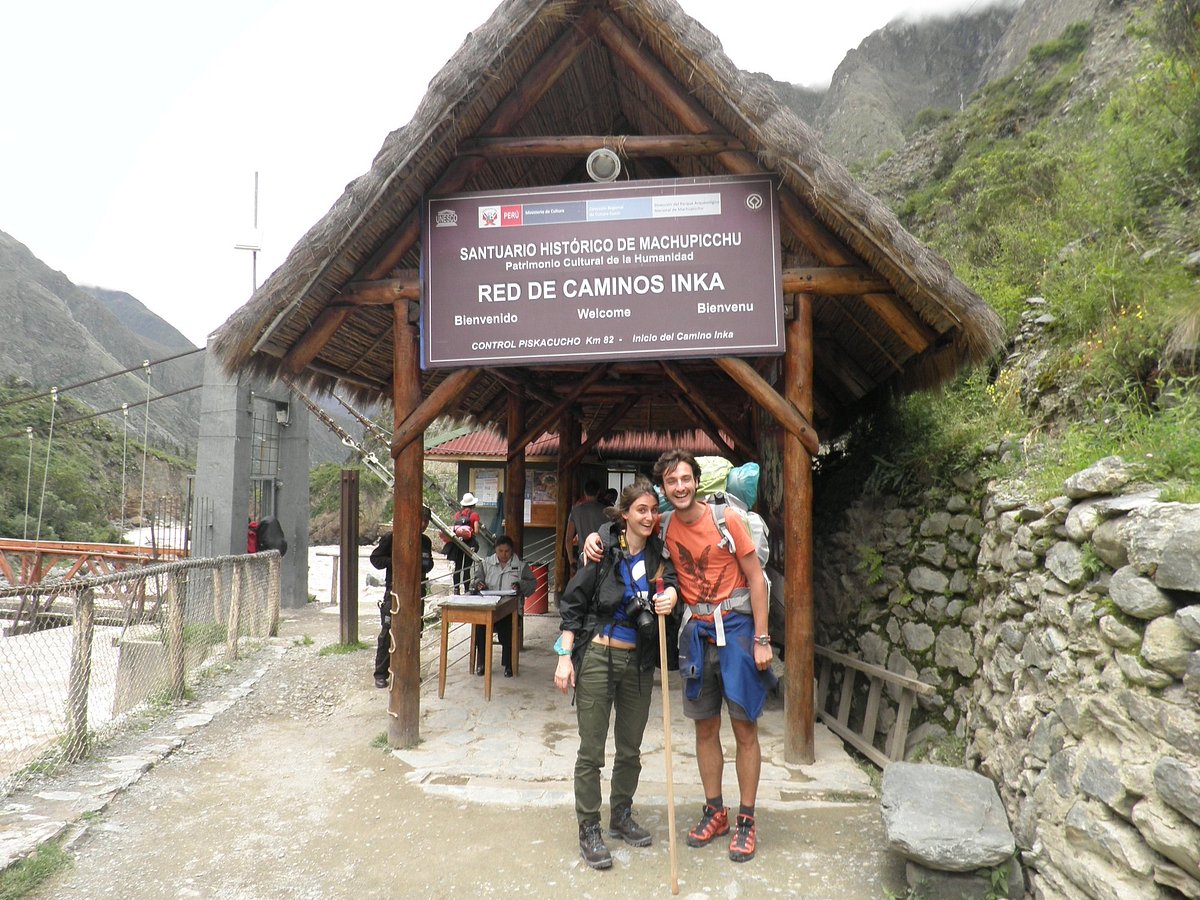
The Inca Trail crosses mountains, valleys, and ancient archaeological sites before reaching Machu Picchu. However, during the first hours of the hike, it also passes near small communities where local families still go about their daily lives.
In some of these areas, you may find small stalls or shops serving hikers. They can be useful for making a quick purchase before continuing toward the more remote sections of the route.
These shops are not spread along the entire Inca Trail. Most are concentrated at the beginning of the trek, and their availability may vary from one day to the next.
Are there shops on the Inca Trail?
Yes, there are small opportunities to buy things during the first sections of the hike, but they should not be considered permanent businesses available throughout every day of the route.
They are mainly small family-run businesses or vendors located near the communities the trail passes through.
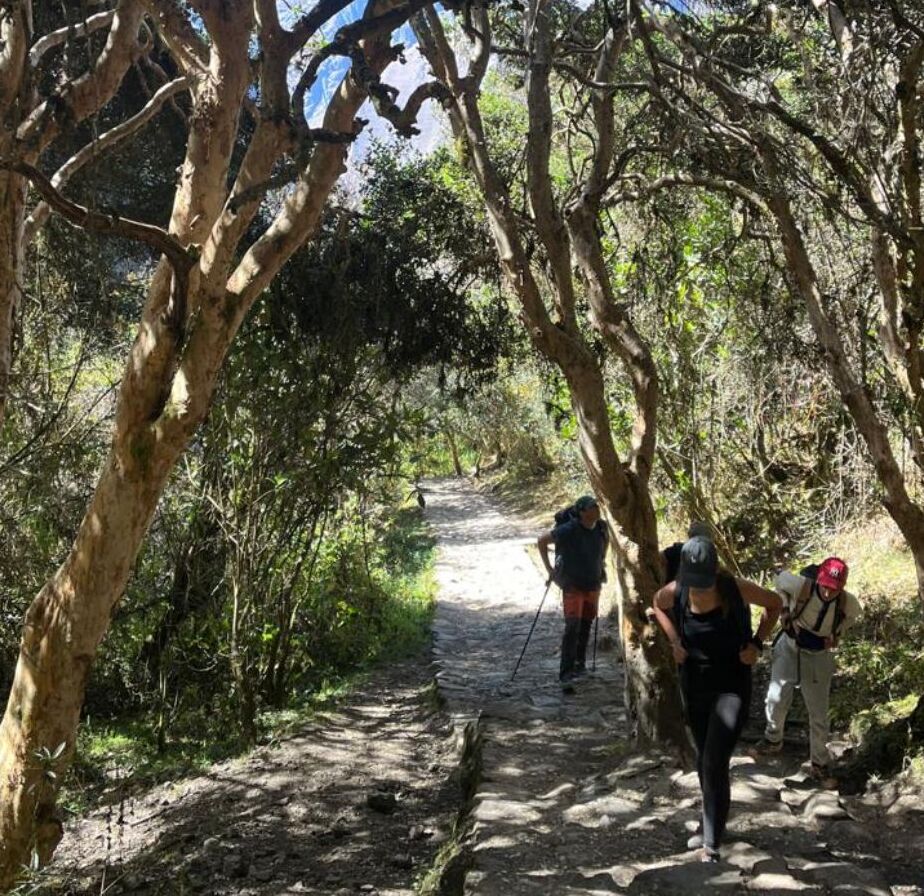
Once hikers leave these inhabited areas behind and begin gaining altitude, the landscape changes and places to buy supplies become increasingly scarce.
Where on the Inca Trail do local shops appear?
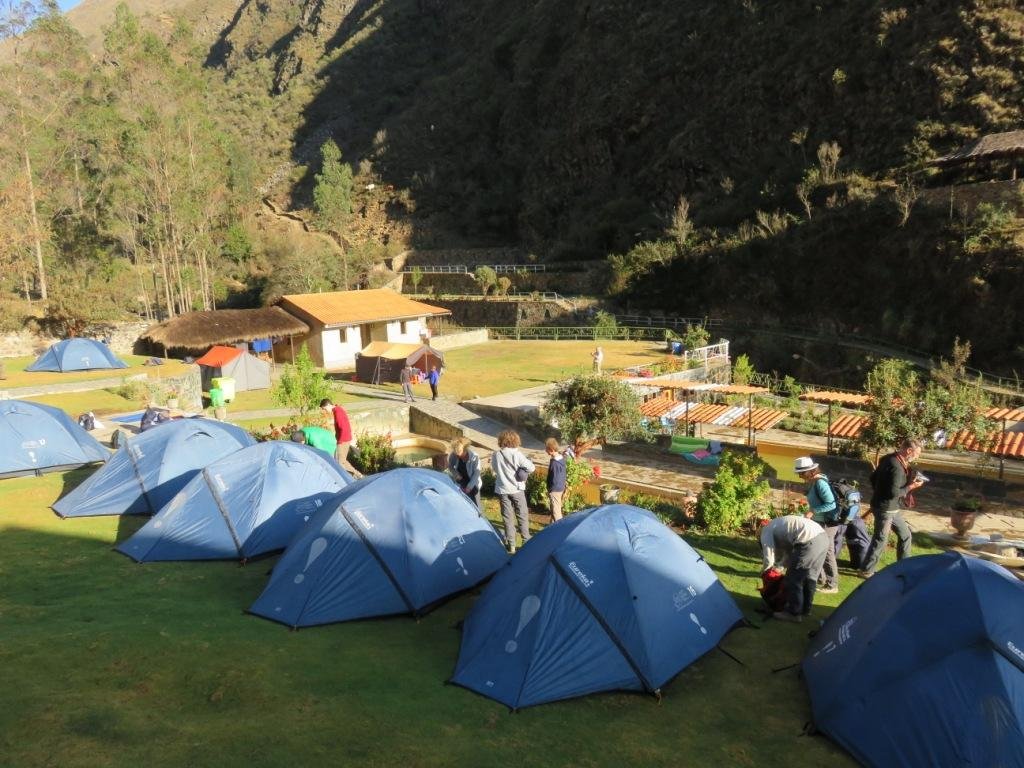
The chances of finding a shop are greater during the first stage of the Inca Trail, especially between the start of the route and the communities located before the high-mountain areas.
Km 82, the rural areas of the Cusichaca Valley, and Wayllabamba are important reference points for understanding where this activity is concentrated.
Km 82: shopping before entering the trail
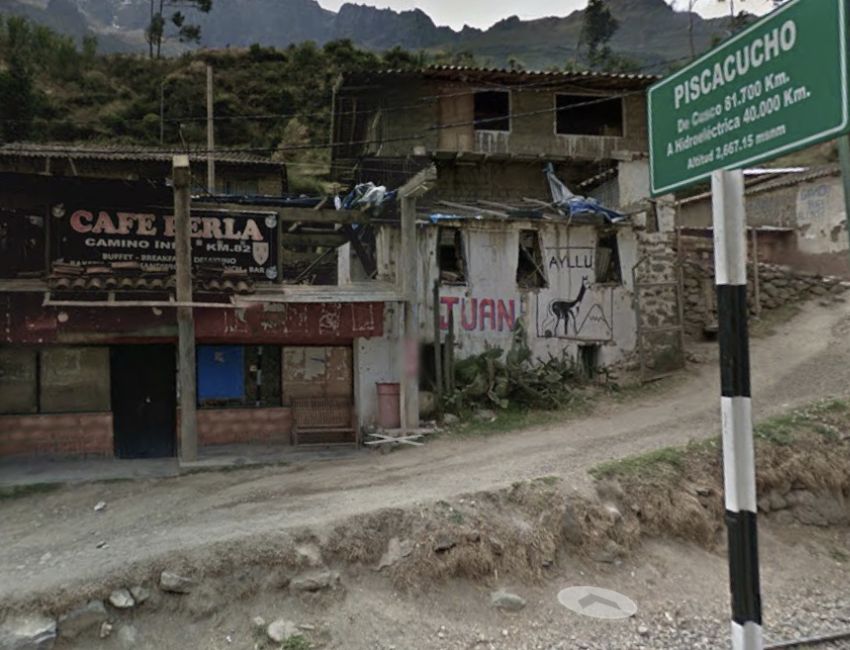
Piscacucho, known among travelers as Km 82, is the traditional starting point of the Classic Inca Trail.
Before officially starting the hike, it is wise to check that you have all your personal items. Depending on the day and the service booked, there may be some opportunities to shop before passing through the entrance checkpoint.
However, it is best to arrive at Km 82 with your backpack already organized and not rely on finding a specific item there.
Communities during the first day
During the first day, the trail still crosses a landscape with farmland, homes, and small inhabited settlements.
In these areas, some residents offer basic products to hikers. The presence of vendors depends on the season, the time of day, and each family’s activity.
For this reason, a shop that was available to one group may not necessarily be open when another passes by.
Wayllabamba: one of the main reference points
Wayllabamba is one of the most recognizable points on the first section of the Inca Trail. In addition to being part of different camping itineraries, it is a community located before the trail continues toward the higher areas.
As an inhabited area, Wayllabamba may have small family-run businesses where travelers can make occasional purchases.
For many itineraries, this community is also an important reference point: after leaving it behind, shopping opportunities decrease considerably.
Ayapata and the path toward Llulluchapampa
After Wayllabamba, a gradual ascent begins toward areas such as Ayapata and Llulluchapampa.
Depending on the itinerary and the time of year, you may still come across a small stall or local vendor during this part of the route.
However, it is not advisable to consider it a permanent shop or plan the hike assuming it will necessarily be available.
What is the last shop on the Inca Trail?
There is no single shop that can be defined as the last one for all travelers.
Operators use different schedules and camping areas, and small local businesses do not operate like commercial establishments with fixed opening hours.
Wayllabamba is often considered one of the main reference points before entering more isolated sections. On some routes, vendors may still be found during the ascent afterward.
The best option is to ask your guide on the first day what the last real shopping opportunity will be according to the group’s itinerary.
Local shops on the 4-day Inca Trail
On the classic 4-day route, shopping opportunities are mainly concentrated during the first day and the first hours of the ascent on the following day.
After that, the route crosses mountain passes, high valleys, and archaeological complexes where there is no longer the same presence of communities.
For this reason, small shops should be viewed only as occasional support and not as part of the trek’s guaranteed services.
Local shops on the 5-day Inca Trail
The 5-day Inca Trail can distribute hiking days and campsites differently, allowing for a more relaxed pace.
Despite this difference, much of the route uses the same initial sections of the Classic Inca Trail. Therefore, opportunities to find small shops remain concentrated in the communities at the beginning of the route.
A five-day hike does not mean there will be more shops on the later days. Once the trail enters the mountains, travelers must rely mainly on the services organized by their agency.
What are the shops along the route like?
Do not expect to find minimarkets or establishments similar to those in Cusco or Ollantaytambo.
They are modest spaces run by families from communities near the trail. The range of available products may be limited and can vary depending on each household’s supplies.
Precisely because of their local nature, they are part of a reality different from the urban areas travelers leave behind before heading into the mountains.
Are Inca Trail shops open every day?
Not necessarily. Availability may depend on the family running the business, the season, the time the group passes through, and other local conditions.
For this reason, it is not recommended to include a specific shop as a guaranteed service when planning your trip.
If you need something essential for the trek, the safest option is to buy it before starting the route.
Where should you shop before the Inca Trail?
Important purchases should be made before entering the trail. Cusco and Ollantaytambo offer a much wider variety of shops and allow you to prepare your backpack without rushing.
Some agencies make a stop in Ollantaytambo before heading to Km 82. When the itinerary allows it, this moment can be used to check that no personal item is missing.
This way, any small shops found later can be used only for an occasional purchase.
Tips for finding a local shop during the hike
- Carry cash, preferably in small denominations.
- Do not rely on card payments.
- Check with your guide before assuming you will find another shop farther along.
- Make essential purchases before starting the trek.
- Do not leave containers or wrappers on the trail.
- Remember that the availability of local stalls may change.
Shops appear mainly at the beginning of the Inca Trail
During 4- and 5-day routes, small shops are mainly found in the initial sections where the trail still has contact with local communities.
Wayllabamba is one of the most important reference points, while on some itineraries vendors may be found during the later ascent toward Ayapata or Llulluchapampa.
Afterward, the Inca Trail enters a much more isolated environment, where landscapes, campsites, and archaeological sites gradually replace inhabited areas.
The recommendation is simple: start the hike with everything you need and consider any shop you find along the route as an additional possibility, not a guaranteed service.