


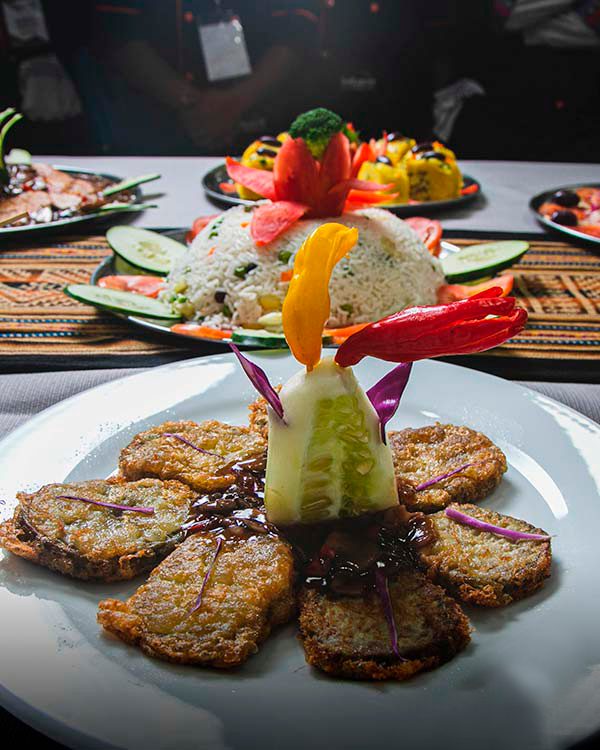
The cook buys and carries the food in Cusco. There are no markets along the route. If the group sets off without knowing that you do not eat dairy or that gluten makes you sick, there is little room to improvise with what is already in the porters’ backpacks.
That is why dietary requirements are not discussed at the first campsite. They are noted when you book.
On the 4-day Classic Inca Trail, trek meals are included: from lunch on day 1 through breakfast on day 4. Breakfast on the morning of departure in Cusco and lunch in Aguas Calientes are not included. The 2-day Short Inca Trail has fewer camp meals and one hotel night; you still need to give notice.
Let them know when booking, not the day before
The kitchen works with a fixed list. The cook plans the menu, weighs what needs to be carried, and cannot restock ingredients after kilometer 82.
Write it in your booking, not just in a chat. It should include:
- whether you are vegetarian or vegan (they are not the same)
- whether you avoid gluten, lactose, nuts, shellfish, eggs, or soy
- whether it is a preference, intolerance, or allergy
- what happens if you eat that food (discomfort, swelling, anaphylaxis)
- whether you carry emergency medication
One week before the trek, confirm that the information reached the kitchen. At the briefing in Cusco, tell the guide again. At the kilometer 82 checkpoint, one minute with the cook can prevent the wrong meal at the first lunch.
Arriving at camp and mentioning it then is usually too late. The team will do what they can with what they have. It will not be the menu they would have prepared if they had known in Cusco.
Vegetarian
This is the most common request, and one that nearly all agencies handle well. Quinoa, potatoes, beans, vegetables, rice, soups, and eggs provide the calories for a long day.
Clarify two things, because in Peru “vegetarian” is sometimes misunderstood:
- no chicken, beef, or fish (trout is common at lunch)
- whether you eat eggs and cheese
If you do not say so, cheese may appear in your soup or eggs at breakfast when you assumed they were excluded. Or the opposite: they remove the eggs and you do not get enough protein.
You do not need to bring your own food if you gave notice in time. A few backup snacks do help on the first day, before you see how that team cooks.
Vegan
Here, the margin is narrower. Dairy, eggs, honey, and meat broths all need to be removed. The cook can do it: quinoa, vegetables, legumes, rice, fruit, oatmeal without milk, and bread without butter. Ask for a short list of what you do not eat. “Vegan” alone is not enough if you also avoid soy or gluten.
At altitude, you have less appetite and it is colder. A plate of vegetables alone is not enough. Ask for the menu to include real plant protein, not just salad.
Afternoon tea (tea, cookies, popcorn) almost always includes cookies with butter or milk. If you do not specify it, they will still offer them to you.
Gluten-free
Quinoa, potatoes, corn, and rice are Andean staples and contain no gluten. The issue is not the ingredient. It is the camp kitchen: one stove, the same pots, the same ladle, plus bread and pasta for the rest of the group.
If you have celiac disease or react to small amounts, say so using that word. “I eat little bread” is not the same as “I cannot have gluten.” The cook needs to know whether the same pot can be used or whether your plate and utensils must be kept separate.
The most common hidden sources are:
- bread, pancakes, and cookies at breakfast and afternoon tea
- soups with noodles
- soy sauce in chaufa
- oatmeal that is not certified
- snacks the guide hands out mid-morning
Bring your own gluten-free cookies or bars for the stretches between meals. You cannot buy them on the route. There are more options in Aguas Calientes, but that is on the last day.
No one can guarantee an industrial trace-free kitchen at 3.000 meters. A reputable agency will separate your meal and avoid obvious wheat products. If your threshold is very low, speak with the agency before paying and decide whether that level of risk works for you.
Lactose-free
Milk at breakfast, cheese in salads, butter on bread, cream in soups, hot chocolate, and desserts. All of these can appear without anyone describing them as “dairy.”
If it is an intolerance, giving notice and requesting plant milk or plain tea, soups without cream, and cheese-free dishes is usually enough. If it is an allergy to milk protein, it must be treated as an allergy, not simply as “no glass of milk.”
Breakfast yogurt and buttered popcorn are the two most frequently forgotten items.
Allergies
An allergy is not a diet. There is no hospital on the trail. The nearest medical post is hours away on foot.
In addition to noting it in your booking:
- describe the exact food (peanuts, tree nuts, shellfish, eggs, soy)
- say whether simply not eating it is enough or whether it must also not be cooked nearby
- bring the medication you use, including epinephrine if it has been prescribed to you
- tell someone in the group, not just the guide
Tree nuts and peanuts appear in snacks and some desserts. Fish and shellfish are served at lunches. If your reaction is severe, do not assume that “the cook will already know.” Confirm it in person before the first meal is prepared.
What you can expect (and what you cannot)
With timely notice, the menu can be adapted at no extra cost with most operators. You eat at the same times as the group: early breakfast, snack, lunch, afternoon tea, and dinner.
Do not expect a vegan restaurant in Lima or a celiac certification. Expect a mountain cook who prepared your portion in Cusco and serves you a separate plate.
Drinking water is boiled or treated at camp. That does not change with your diet. Trail snacks are different: if they cannot fit your list, bring your own in your daypack.
Lunch in Aguas Calientes is not prepared by the trek team. If you are celiac or vegan, choose the restaurant with the guide or check the menu before sitting down. The town has more options than Wiñay Wayna, but not all of them are safe.
How to write it so the kitchen understands
One clear paragraph is worth more than saying “I have a special diet.”
Something like this works:
“Vegetarian, no fish. I eat eggs and cheese. Lactose intolerant: no milk or cream. No tree nuts. Not a severe allergy.”
Or:
“Celiac disease. No wheat, barley, rye, or uncertified oats. I need a separate plate and utensils. I am bringing my own trail snacks. Peanut allergy.”
English is also fine if you book with a bilingual operator. What does not work is leaving it until the 4 a.m. van ride.
Frequently asked questions
Is there vegetarian food on the Inca Trail?
Yes, if you request it when booking. Quinoa, potatoes, vegetables, rice, and eggs will cover your day. Clarify whether you eat eggs, cheese, and fish.
Can I do the Inca Trail as a vegan?
Yes, with advance notice and a list of what you do not eat. The menu is planned in Cusco. You cannot get last-minute plant milk or tofu on the route.
Can I request a gluten-free menu?
It can be adapted: quinoa, potatoes, corn, rice, meat, or vegetables. The kitchen is a camp kitchen, not a certified facility. If you have celiac disease, say so using that word and bring your own snacks.
When should I report my dietary requirements?
When booking. Confirm them one week before and again with the guide in Cusco. The first campsite is already too late to change what was carried.
Do special diets cost extra?
With reputable operators, no. It is part of the service if reported in time.
What happens if I do not give notice?
The cook works with the group menu. They may be able to remove the meat from your plate. They cannot create a vegan or gluten-free menu using what has already left Cusco.