


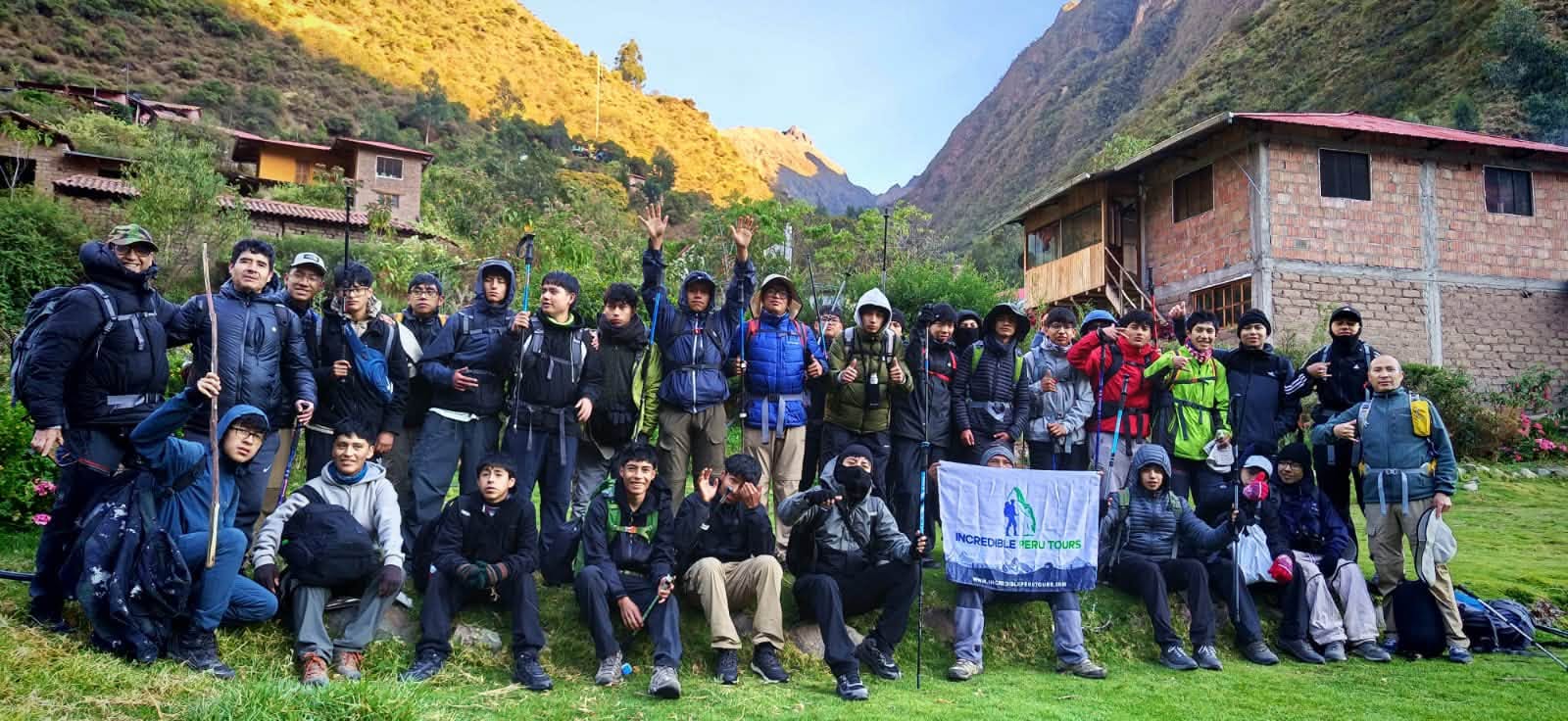
Doing the Inca Trail as a family is a memorable experience, and many parents wonder at what age it is feasible to bring their children and how to ensure they enjoy it safely. The answer depends mainly on the child’s age, temperament, and preparation, rather than on a single rule. Here you will learn how to plan the Inca Trail with children or teenagers while considering age, pace, and safety. This guide is for informational purposes and does not replace the advice of a pediatrician.
Recommended age to start
There is no universal official minimum age, but in practice, the Classic Inca Trail is recommended for children who already have a certain level of physical independence and can walk for several hours at a time. A very young child is unlikely to sustain the effort of several days of high-altitude trekking, while an older child or teenager can handle it well with preparation.
More important than the exact age is whether the child is used to physical activity and enjoys walking. An active child who has already gone hiking and tolerates exertion will be better prepared than a sedentary one, regardless of their age. An honest assessment of each child is the best guide.
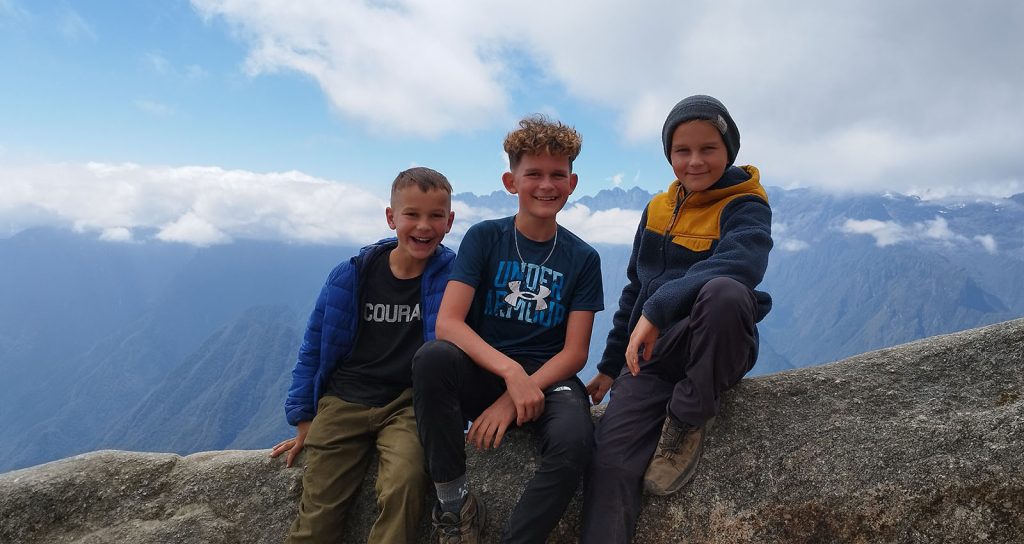
Altitude also affects children
A crucial point is that altitude sickness can affect children and teenagers just as it does adults, and they may sometimes find it harder to clearly express how they feel. That is why prior acclimatization in Cusco is just as essential for them, allowing several days for their bodies to adjust before the trek.
During the route, parents should pay close attention to signs such as headaches, excessive tiredness, or discomfort in their children, and report them to the guide immediately. Before traveling, consulting a pediatrician about whether high altitude is suitable for the child is a highly recommended precaution.
The child sets the pace
Hiking with children means fully adapting the pace to them. Kids often alternate between bursts of energy and periods of tiredness, so it is best to plan frequent breaks, time to rest, and the flexibility to move more slowly than an adult group would.
Patience is key: forcing a child to keep a pace that is not their own often ruins the experience for everyone. A private service, where the group consists only of the family, is especially helpful here because it allows the pace to be adapted to the children without the pressure of a group of strangers.
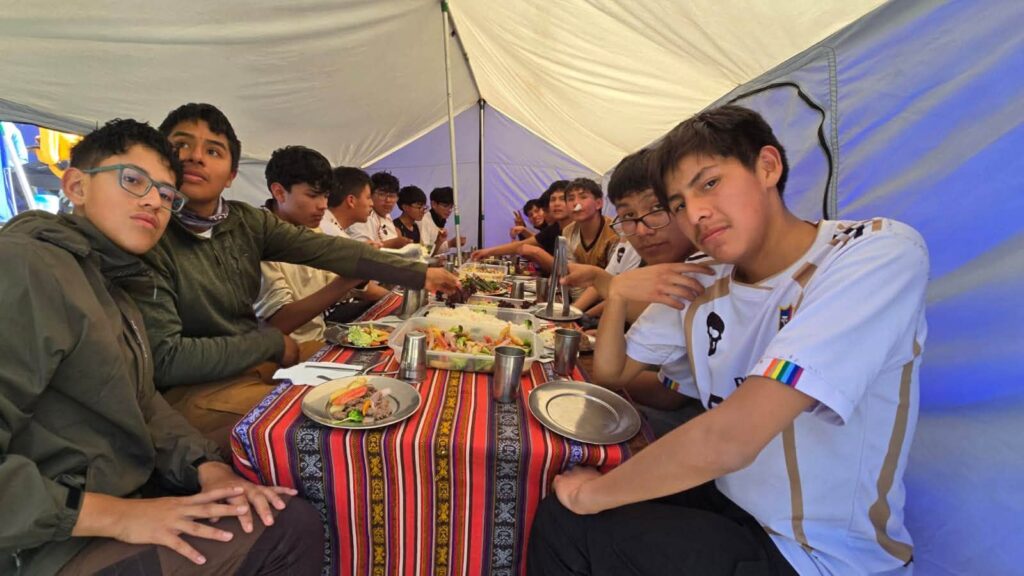
Safety during the trek
Keeping children safe on the Inca Trail requires constant attention, especially on sections with stone steps and along trail edges. Children should always walk with an adult, without getting ahead or falling behind, and wear appropriate footwear that provides good grip on uneven terrain.
Keeping them well hydrated, protected from the sun, and with snacks on hand helps maintain their energy and good spirits. Close supervision by parents, combined with the guide’s experience, is what ensures the adventure is safe from start to finish.
Permits also apply to children
Keep in mind that children and teenagers also need their own permit, registered with their passport details just like an adult. When booking, you must include each child’s information, and there are usually reduced rates depending on age, so it is best to check with the agency when planning your family trip.
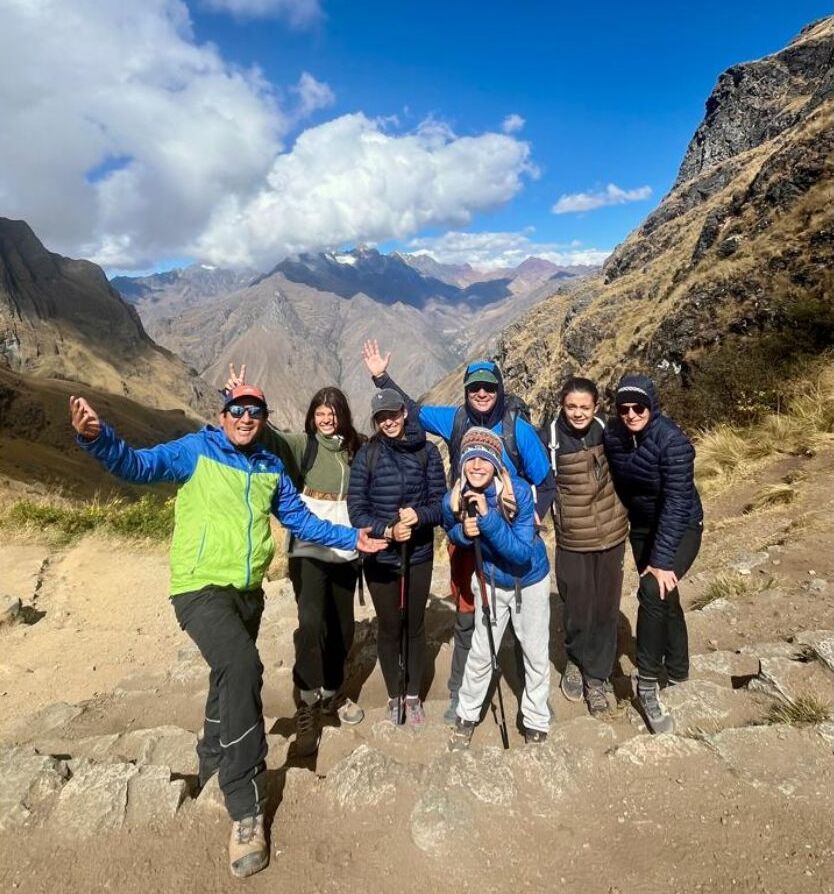
The short version, ideal for families
For families with children, the short version is usually the most manageable option. The 2-day Short Inca Trail concentrates the hike into a single day, at a lower altitude and without the most demanding passes, with the great advantage of staying in a hotel in Aguas Calientes instead of camping, something that makes all the difference with children.
That hotel night allows children to rest comfortably and visit Machu Picchu the next day with renewed energy. Still, for families with fit teenagers who are eager for adventure, the 4-day Classic Inca Trail is feasible with the proper preparation and precautions.
Frequently asked questions
At what age can children do the Inca Trail?
There is no universal minimum age, but in practice, it is recommended for children with physical independence and the ability to walk for several hours. More important than the exact age is whether the child is used to activity and enjoys walking.
Does altitude affect children?
Yes, just as it affects adults, and children may sometimes find it harder to express discomfort. Prior acclimatization in Cusco is essential, and it is advisable to consult a pediatrician about altitude before the trip and closely monitor any symptoms during the trek.
Do children need their own permit?
Yes. Each child needs their own permit registered with their passport details, just like an adult. There are usually reduced rates depending on age, so it is best to check with the agency when booking the family trip.
Is the short version better for traveling with children?
For many families, yes, because it concentrates the hike into one day, is at a lower altitude, and includes a hotel stay instead of camping. This allows children to rest comfortably and visit Machu Picchu with energy the next day.
How do I keep my children safe on the trail?
Make sure they always walk with an adult, wear proper footwear, and do not get ahead on sections with steps or trail edges. Keeping them hydrated, protected from the sun, and supplied with snacks, together with the guide’s supervision, ensures a safe adventure.