


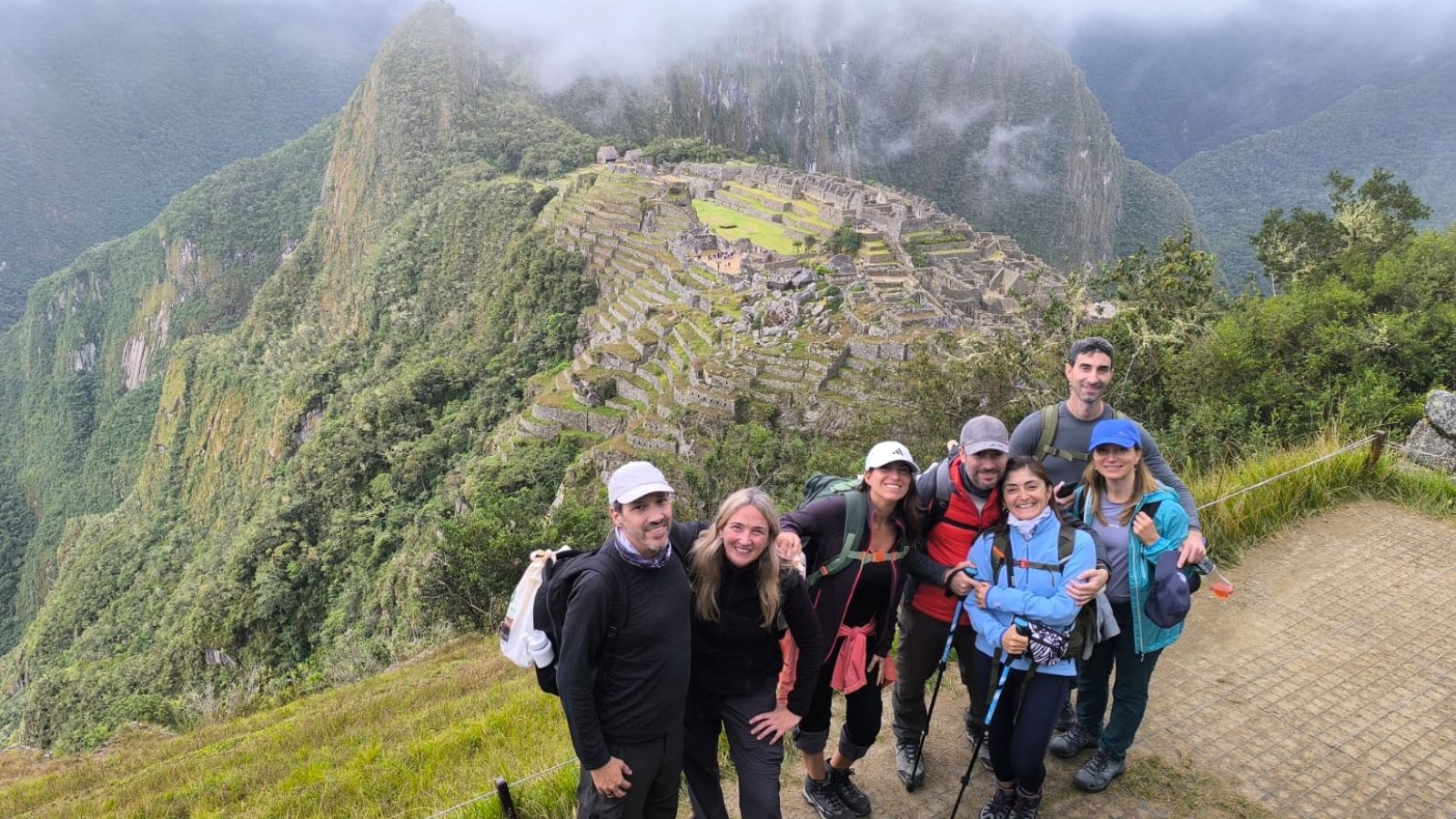
The Inca Trail is the best-known trekking route to reach Machu Picchu by walking along the same path used by the Incas. Planning this trip requires understanding several key points: booking your permit in advance, choosing between the four-day and two-day versions, physical preparation, and prior acclimatization in Cusco.
This guide covers what you need to know before booking, from mandatory requirements to the best time to travel and what to pack. The goal is for you to arrive at the trailhead with all the information sorted out and no last-minute surprises.
Inca Trail options: 4 days and 2 days
There are two main versions of the Inca Trail, and choosing between them is one of the first decisions when planning your trip. The differences lie in distance, duration, physical effort, and whether or not camping is included along the route.
Classic 4-day Inca Trail
The classic route covers around 43 kilometers from kilometer 82 of the railway to Machu Picchu. It includes the highest pass, most of the archaeological sites along the way, and three nights of camping.
It is the most complete version and also the most demanding. It requires good physical preparation and prior acclimatization, as the days are long and you hike at high altitude for several consecutive days.
Short 2-day Inca Trail
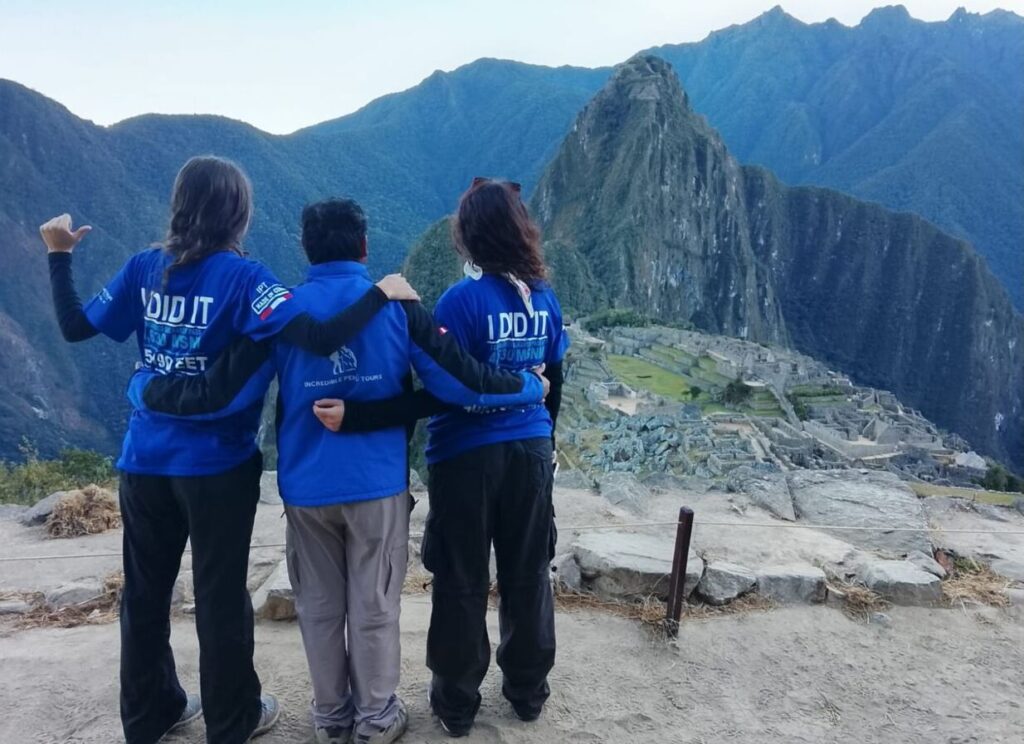
The short version begins at kilometer 104 and is completed in two days, with one night usually spent at a hotel in Aguas Calientes rather than camping. It lets you hike a section of the original trail and enter Machu Picchu through the Sun Gate with much less effort.
It is the right option for travelers with limited time or those who prefer not to camp. It retains the appeal of walking the Inca trail without the four days of the full trek.
Comparison table between both routes
| Feature | 4-day Inca Trail | 2-day Inca Trail |
|---|---|---|
| Approximate distance | 43 kilometers | 12 kilometers |
| Starting point | Kilometer 82 | Kilometer 104 |
| Camping nights | Three | None (hotel in Aguas Calientes) |
| Maximum altitude | More than 4.200 m a.s.l. | Around 2.700 m a.s.l. |
| Difficulty | Moderate to challenging | Moderate |
| Entry through the Sun Gate | Yes | Yes |
Requirements for hiking the Inca Trail
The Inca Trail cannot be hiked independently. You need an official permit, a booking with an authorized agency that includes a guide, and advance reservations. Failure to meet any of these requirements prevents entry to the trail.
Mandatory permit and limited spaces
The Inca Trail permit is personal, has a limited daily quota, and includes guides, cooks, and porters within that quota. This control helps protect the trail and archaeological sites from the wear caused by unrestricted traffic.
Spaces sell out months in advance, especially during high season. It is not possible to buy the permit on the same day or arrange it on your own, so booking ahead is the most important part of planning.
Official guide and authorized agency
Regulations require all groups to be accompanied by an authorized guide. Hiking the classic route without a guide is not permitted, and only a licensed agency can process the permit reservation.
If you need to check permit availability, compare departure dates, or arrange your permit reservation according to the month you want to travel, the team at Incredible Peru Tours can advise you on the available options.
Documents you must present
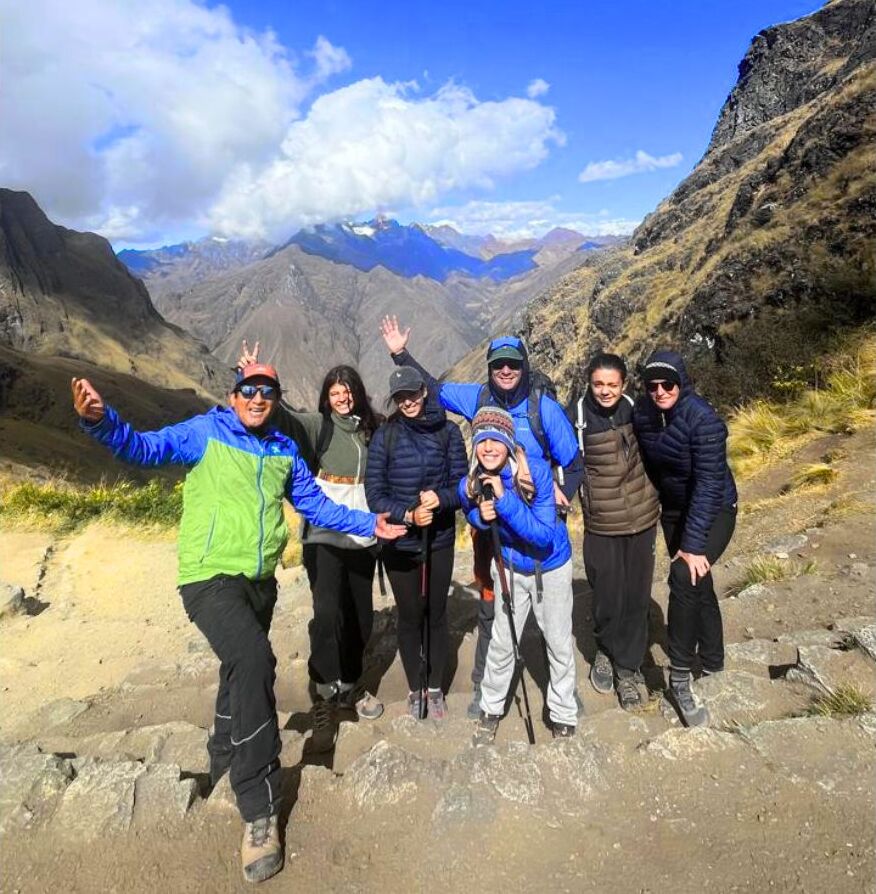
The permit is issued with your name and passport number, so these details must match exactly the document you will carry during the trek. Any difference between the permit and passport may cause issues at trail checkpoints.
If you renew your passport after booking, notify the agency so they can update the record. You should also carry the document throughout the hike, as it is checked at control points.
Best time to hike the Inca Trail
Conditions on the trek change depending on the season. The most suitable time depends on whether you prioritize a lower chance of rain, fewer visitors, or greener vegetation, as well as permit availability for your preferred dates.
Dry season (May to September)
The dry season usually offers a lower chance of rain and better hiking conditions. It is also the period with the highest demand, so spaces sell out further in advance and nights can be quite cold, especially in higher areas.
If you plan to travel during these months, it is advisable to book as far in advance as possible. Spaces for the most popular dates can sell out several months before departure.
Rainy season and February closure
Between November and March, trails can be wet and slippery, and visibility varies throughout the day. The advantage is fewer visitors and greener surroundings.
Every year, the Classic Inca Trail closes throughout February for trail maintenance work. During this month, it is not possible to hike the four-day route, although Machu Picchu remains open and can be reached by other means or via the short version of the trail.
Difficulty and physical preparation
The Classic Inca Trail is considered moderately challenging to challenging. The difficulty comes from the altitude, long hiking days, and stone stair sections that test your legs on both ascents and descents.
The highest pass: Warmiwañusca
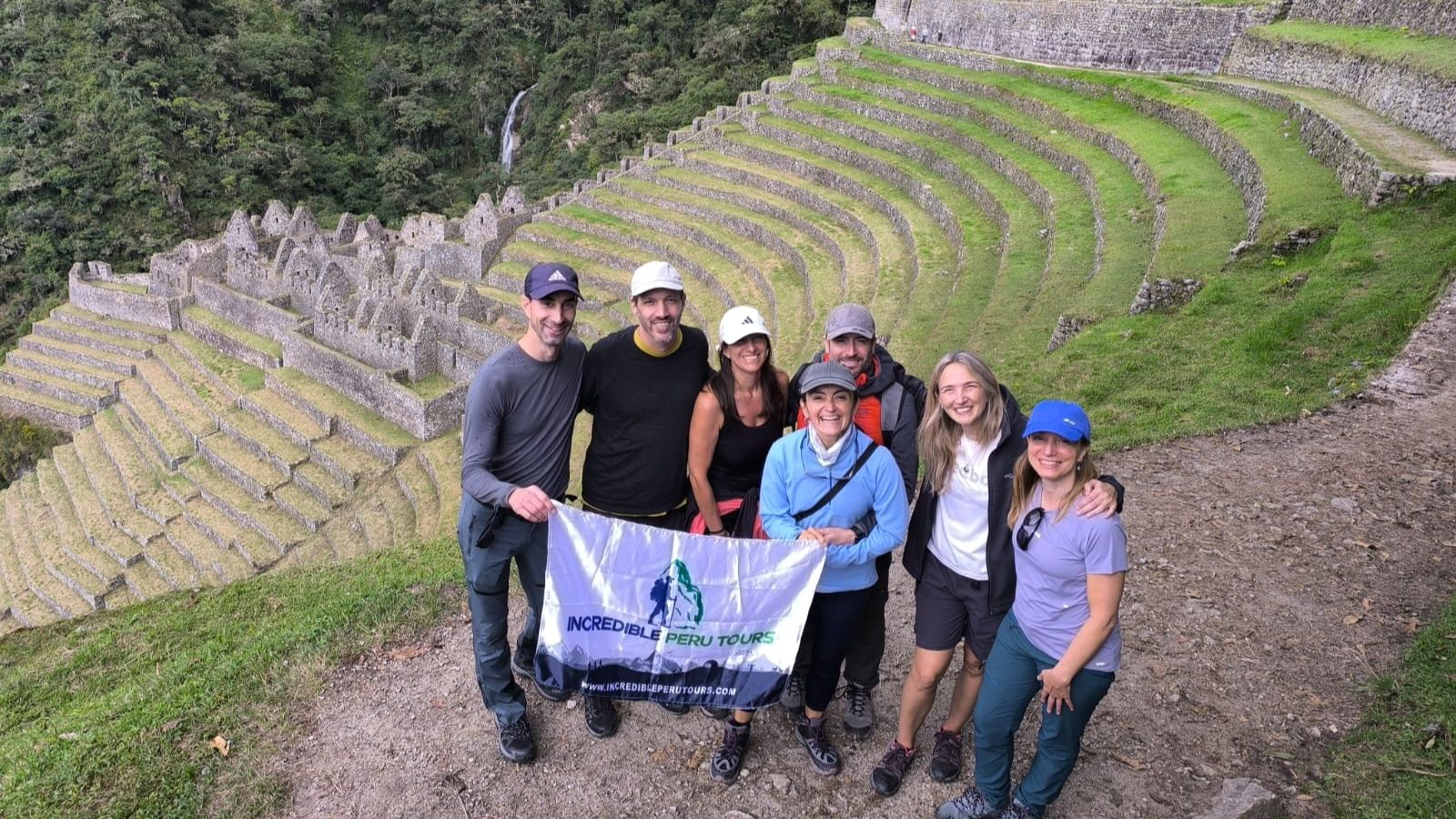
The highest point on the route is Dead Woman’s Pass, located above 4.200 m a.s.l. It is crossed on the second day and is the most difficult section of the trek, requiring the greatest cardiovascular effort.
After crossing this pass, the rest of the route combines long descents with more manageable sections. Even so, the downhill staircases require attention, as they put strain on the knees and quadriceps.
How to prepare before your trip
You do not need to be an athlete to complete the Inca Trail, but it is advisable to arrive with a solid endurance base. Long walks, leg exercises, and hikes with elevation gain in the weeks before your trip will help you handle the days more comfortably.
Your preparation should take into account that walking for several hours at altitude does not feel the same as doing so at sea level. The better your physical condition, the easier it will be to recover between stages.
Acclimatization in Cusco
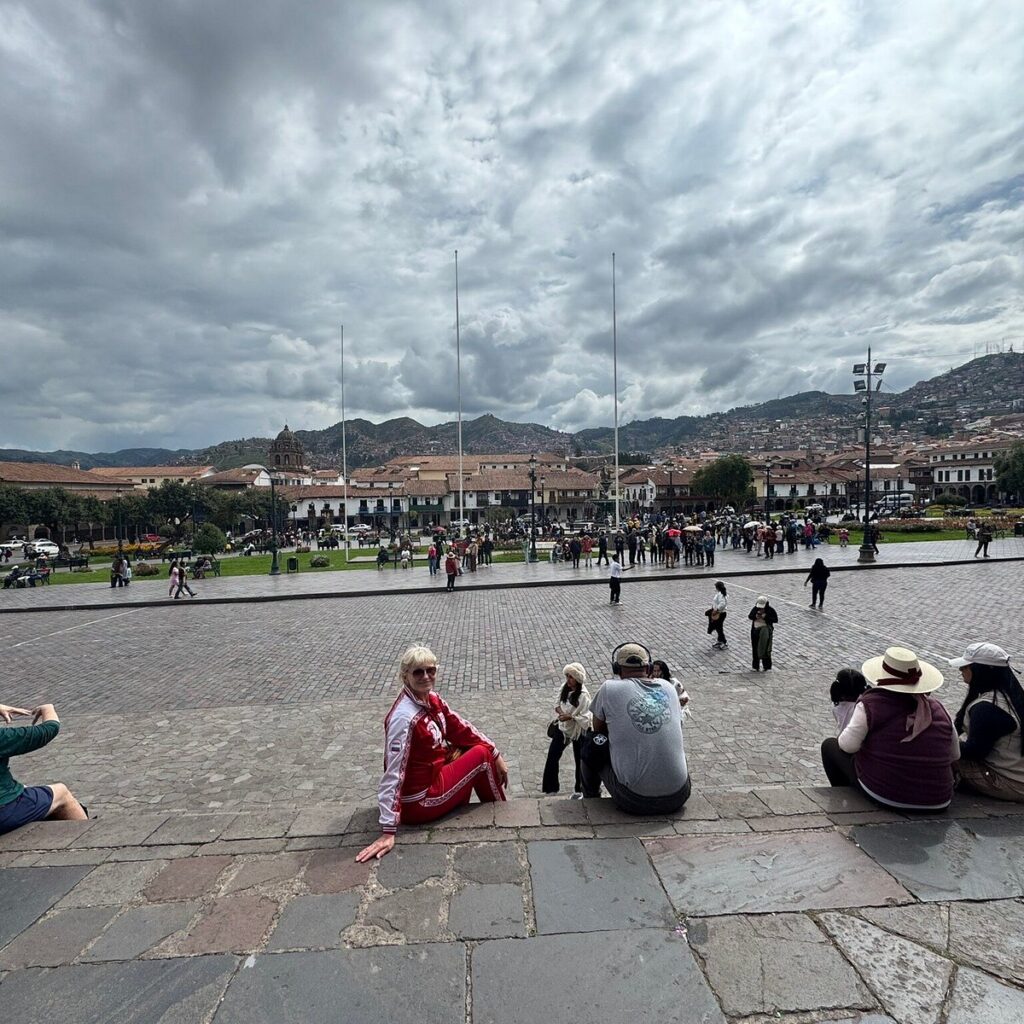
It is recommended to spend at least two or three days in Cusco or the Sacred Valley before starting the route. This time allows your body to adapt to the altitude and reduces the risk of discomfort during the trek.
Each person responds differently to altitude, so it is best to travel with extra time. Taking advantage of those days for light visits in the Sacred Valley helps with adaptation without tiring yourself before the trek.
What to pack for the Inca Trail
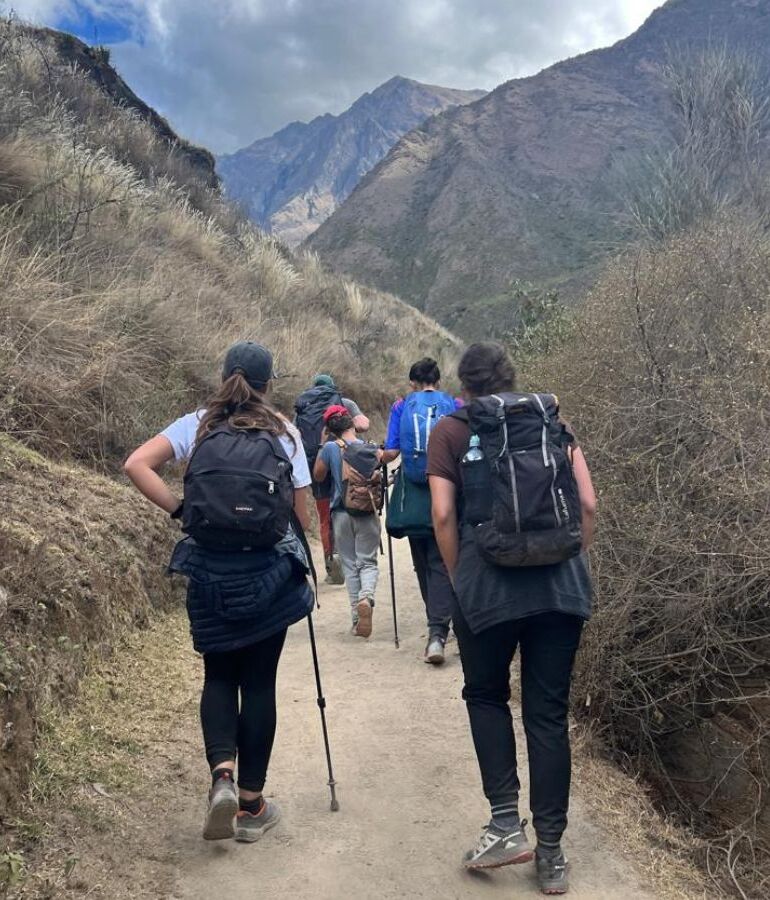
Your luggage should balance what you need with the weight you will carry along the route. Although porters transport the camping equipment, each traveler carries a personal backpack with the essentials for each day.
Essential items include layered clothing to adapt to temperature changes, broken-in trekking footwear, rain protection, sunscreen, insect repellent, a reusable water bottle, and documents such as your passport. It is also a good idea to carry some cash for tips and small purchases at rest stops.
Confirm with the agency which items are included in the service, such as a sleeping bag, sleeping pad, or trekking poles, so you do not carry extra items or buy equipment already included in the program.
How arrival at Machu Picchu is organized
On the classic route, the final day involves hiking from the last campsite to the Sun Gate, where you get your first view of the citadel. You then descend to Machu Picchu for a guided visit.
After touring the citadel, the return is usually by bus to Aguas Calientes and by train back to Cusco or the Sacred Valley. This part varies depending on the program booked, so it is worth reviewing how the final day is organized before reserving.
Final tips for planning your Inca Trail
The key to planning the Inca Trail well is booking in advance, choosing the version that suits your time and fitness level, and allowing enough days to acclimatize in Cusco before starting. These three points address most of the issues travelers face.
Always compare what each program includes before deciding: meals, camping equipment, return transportation, and support during the trek. A lower initial price may not cover necessary items, so review the inclusions carefully before confirming your departure.
Frequently asked questions about the Inca Trail
How far in advance should I book the Inca Trail?
Booking several months in advance is recommended, especially if you travel during the dry season. Spaces for the most popular dates can sell out long before departure, so the earlier you book, the better.
Can I hike the Inca Trail on my own?
No. The classic route requires a permit arranged through an authorized agency and the accompaniment of an official guide. Hiking independently or without a guide is not allowed.
What happens if the Inca Trail is closed in February?
During February, the four-day route cannot be hiked due to trail maintenance. In that case, you can consider the short version, which is not always affected, or another alternative route to Machu Picchu.
Do I need previous trekking experience?
It is not essential, but it is advisable to arrive with a basic level of physical endurance. With prior preparation and acclimatization in Cusco, many people without technical experience complete the route without problems.
What is the difference between the 4-day and 2-day Inca Trail?
The four-day version covers 43 kilometers, includes three nights of camping, and crosses the highest pass. The two-day version follows a shorter section, does not include camping, and requires much less effort, but both end at Machu Picchu through the Sun Gate.
Is it very cold during the Inca Trail?
Nights can be cold, especially in higher areas and during the dry season. Wearing layers and bringing a suitable sleeping bag helps you rest better during the camps.