


The Inca Trail is not managed by a single entity, but by two government agencies working in coordination: the Ministry of Culture, through the Decentralized Directorate of Culture of Cusco (DDC Cusco), and the Ministry of Environment, through SERNANP. One is responsible for the archaeological heritage and the other for the protected natural area, as the trail passes through both at the same time.
Understanding who manages what helps explain where the Inca Trail rules come from: permits, visitor limits, entry checkpoints, and even the annual February closure. Below is the role of each entity.
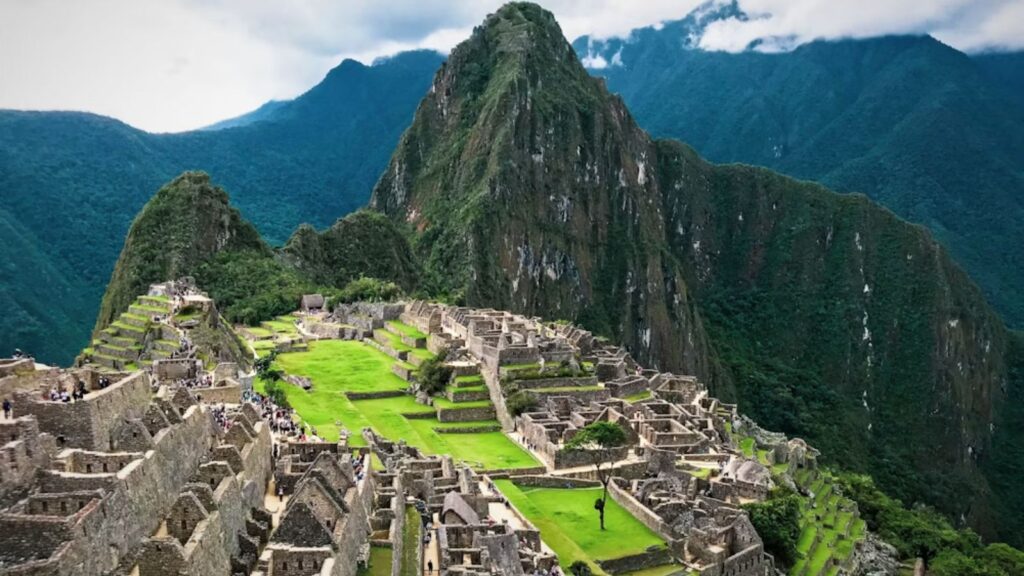
The Inca Trail is part of the Historic Sanctuary of Machu Picchu, which is both an archaeological park and a protected natural area. That is why its management does not fall to a single institution, but is shared by two entities, each according to its area of responsibility.
The Ministry of Culture oversees the archaeological and cultural component: the stone paths, the Inca sites along the route, and the citadel of Machu Picchu. The Ministry of Environment, through SERNANP, oversees the natural component: the sanctuary’s ecosystems, flora, and fauna. Both entities share responsibility for monitoring and controlling the trail.
The Ministry of Culture and DDC Cusco
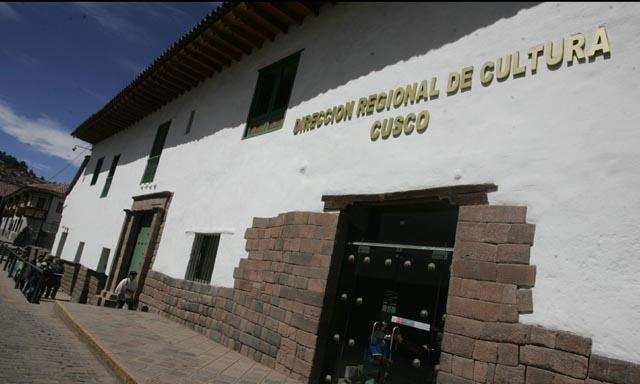
The Ministry of Culture is the entity that manages the archaeological park of Machu Picchu and the Inka Trail Network. In practice, this management is carried out on the ground by its regional office, the Decentralized Directorate of Culture of Cusco, better known as DDC Cusco.
DDC Cusco is the entity that opens Inca Trail reservations each year, manages permits, and controls visitor entry through the official ticketing platform. It is also responsible for maintaining the trails, campsites, and tourism infrastructure along the route, as well as deciding when to reopen after conservation work.
SERNANP and the Ministry of Environment
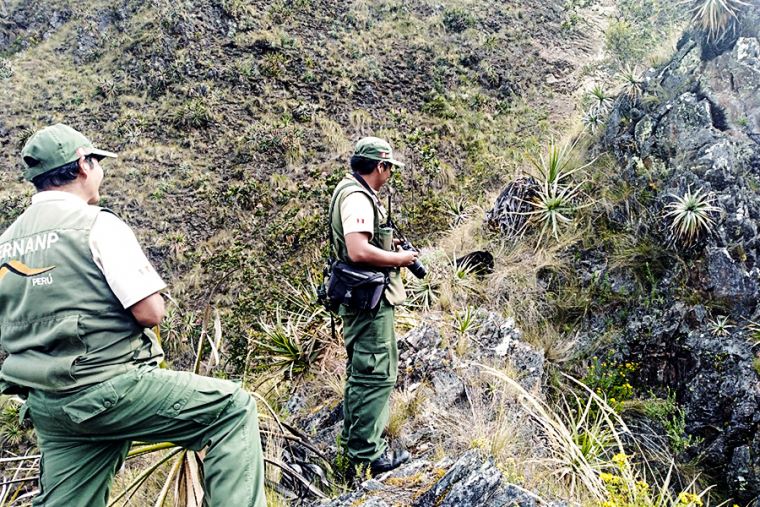
SERNANP, the National Service of Natural Areas Protected by the State, is part of the Ministry of Environment and is the entity that manages the sanctuary as a protected natural area. Its role focuses on conserving the natural environment through which the trail passes.
SERNANP park rangers are present along the route, checking documentation, monitoring group behavior, and ensuring the conservation of the natural heritage. In addition, SERNANP is the entity that authorizes agencies and operators to work on the Inca Trail and keeps records of support staff, such as guides, porters, and cooks.

How they work together day to day
Although each entity has its own responsibilities, they work jointly on the trail. At entry checkpoints, staff from DDC Cusco’s Inka Trail Network Coordination Office and SERNANP park rangers check hikers’ documentation together.
The regulations governing the route also reflect this coordination: they grant both entities the authority to monitor and intervene in response to any action that affects the sanctuary’s conservation and safety, each within its own responsibilities. In tourism matters, DIRCETUR Cusco also takes part by overseeing services.
What this means for travelers
For anyone planning to hike the Inca Trail, this shared management explains several things that may initially seem like separate procedures. The permit is managed by the Ministry of Culture through DDC Cusco; the agency you hire must be authorized by SERNANP; and on the route, you will encounter park rangers and inspectors from both entities.
This is not duplicated bureaucracy, but the logical result of the Inca Trail being both cultural heritage and a protected natural area. To see how these rules work in practice, check how Inca Trail permits work and why booking with an authorized agency is mandatory.
Frequently asked questions
Who manages the Inca Trail to Machu Picchu?
It is managed in coordination by two government agencies: the Ministry of Culture, through the Decentralized Directorate of Culture of Cusco, and the Ministry of Environment, through SERNANP.
Who issues Inca Trail permits?
Permits are managed by the Ministry of Culture through DDC Cusco, which opens reservations each year and controls entry through its official ticketing platform.
What is SERNANP’s role?
SERNANP manages the sanctuary as a protected natural area, authorizes the agencies operating on the route, and its park rangers oversee conservation and check documentation on the trail.
Why is it managed by two entities instead of one?
Because the Inca Trail is both archaeological heritage and a protected natural area. The Ministry of Culture protects the cultural heritage, while SERNANP protects the natural environment.