


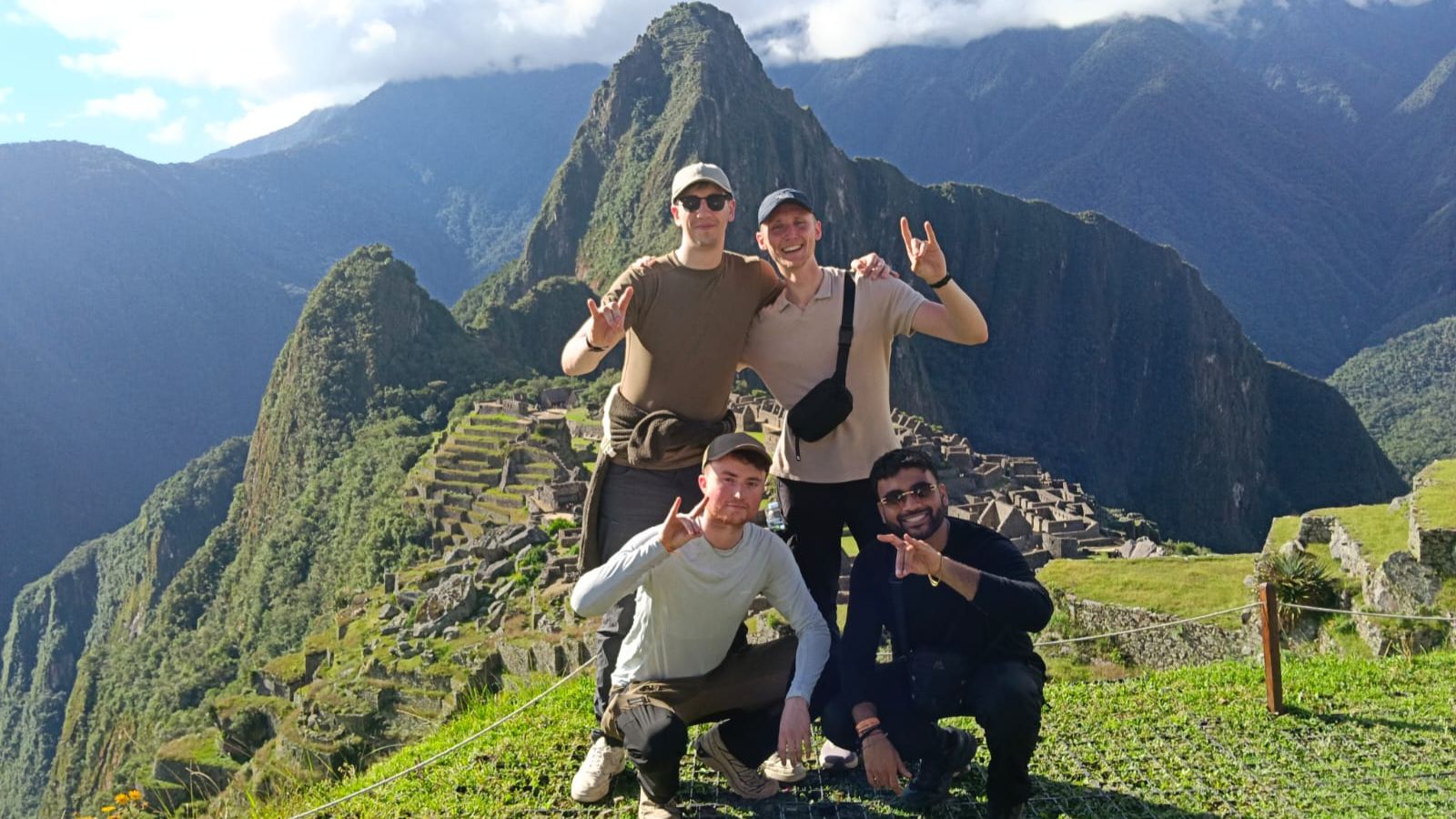
Many people believe that Salkantay and the Inca Trail are two routes that never meet: one a free mountain alternative and the other a historic trail with permits and limited spaces. That is not the case. There is an authorized access route that climbs from Soraypampa, crosses the mountain range via a high-altitude pass, and descends to join the Classic Inca Trail in Wayllabamba, continuing along the stone-paved path to Machu Picchu. It is a way to hike among glaciers during the first few days and still arrive at the citadel through the Sun Gate.
What this connection is
The Inka Road Network of the Machu Picchu Historic Sanctuary is not a single trail, but a set of authorized routes with different entry points. The best known begin at kilometer 82, kilometer 88, and kilometer 104.
In addition to these, there is an access route that starts in the Salkantay sector. Soraypampa, Paukarkancha, and Wayllabamba serve as control and registration checkpoints within the network, confirming that this route is part of the official system rather than an informal variation.
In practice, hikers first cross the high mountains of Salkantay and then join the Inca route that most people know as the Classic Inca Trail.
Where the route goes
From Soraypampa to the high pass
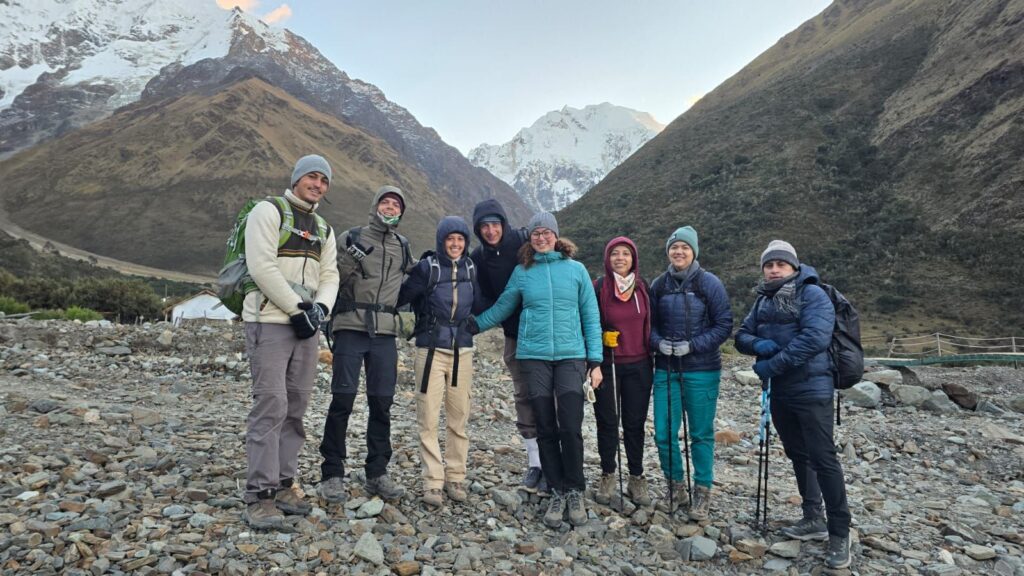
The usual starting point is Soraypampa, at the foot of the snow-capped mountain, reached by road from Mollepata. From there, the route climbs toward Incachiriaska Pass, the highest point of the trek and considerably higher than the pass on the Classic Inca Trail.
It is the most demanding day and the one that requires the best acclimatization. At the top, the snow-capped Salkantay stands to one side, while the descent opens toward the other side of the mountain range.
From the pass to Paucarcancha
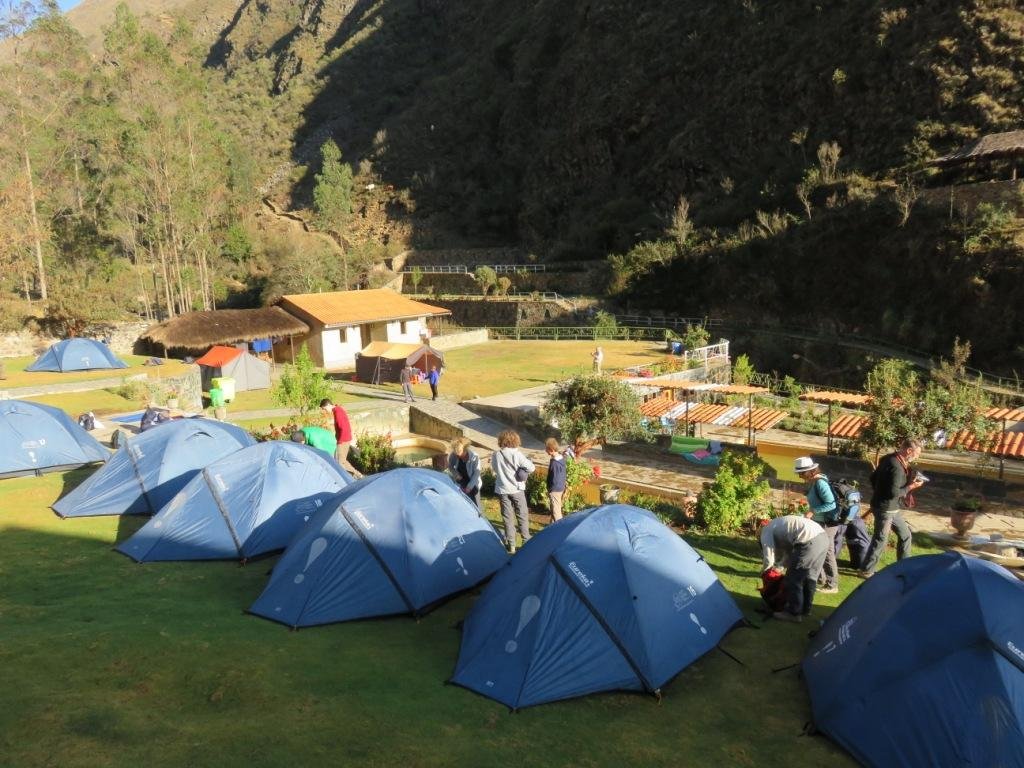
After the descent, the trail enters a little-used valley and reaches Paucarcancha, an Inca complex located at the confluence of two valleys. Its location had strategic value: it controlled passage between mountain routes and the road to Machu Picchu.
It is also one of the network’s control checkpoints, so groups are registered here.
The connection at Wayllabamba
Shortly afterward, the trail emerges at Wayllabamba, where it joins the Classic Inca Trail coming from kilometer 82.
From there, the route is the same as the traditional trail: the climb to Dead Woman’s Pass, the archaeological sites along the stone-paved path, the cloud forest, and the final arrival at Machu Picchu.
How many days it takes
The full combination is usually operated in six or seven days, as it adds the high-mountain crossing to the four days of the Classic Inca Trail.
There are shorter versions, lasting four or five days, that shorten either the Inca section or the mountain section. Before booking, check the itinerary to see how many nights are spent in each area and where the entry is made, as this determines which permit is issued in your name.
Permits: what you need to know
Any route entering the Inka Road Network requires a named permit with a daily quota, arranged through an authorized agency. You cannot hike independently or buy the permit on your own.
The permit is issued with your name and document number, cannot be transferred to another person, and sells out months in advance during the dry season. Reserve your spot before booking flights.
In addition, entry to Machu Picchu operates through time slots and circuits, also with limited capacity.
Each season, the sanctuary administration publishes the status of the routes, including openings, detours, and maintenance. Confirm with your agency which access route is operating on your travel dates.
How it differs from the Classic Inca Trail
| Feature | Classic Inca Trail | Connection from Salkantay |
|---|---|---|
| Entry point | Kilometer 82 | Salkantay sector, via Soraypampa |
| Typical duration | 4 days | 6 or 7 days |
| Maximum altitude | Dead Woman’s Pass | Incachiriaska Pass, higher |
| First days | Stone-paved trail and Inca sites | High mountains, glaciers, and lagoons |
| Crowds | High from the start | Low until joining at Wayllabamba |
| Final section | Wiñaywayna and Sun Gate | The same |
Who it is for
It is the option for those who want both: the mountains of Salkantay and the stone-paved trail with its archaeological sites, arriving at Machu Picchu on foot through the Sun Gate.
It requires good physical fitness and, above all, prior acclimatization, because the high pass comes earlier than on any other variation. Two nights in Cusco before starting is the reasonable minimum.
Those with little tolerance for altitude or fewer days available will find the Classic Inca Trail or its short version more comfortable.
Frequently asked questions
Can this route be done without an agency?
No. All entry into the Inka Road Network must be made with an authorized agency and guide, with a named permit and limited quota. The independent section of Salkantay can be hiked on your own, but not the part that enters the network.
Is it more difficult than the Classic Inca Trail?
Yes, mainly because of the altitude of the mountain pass during the first days and the longer duration. In return, you hike with far fewer people until reaching Wayllabamba.
How far in advance should I book?
Months in advance, especially between May and September. Network spaces sell out quickly, and the permit cannot be transferred to another person.
What document will I be asked for on the route?
The original identity document used to issue the permit. It is requested at the network’s control checkpoints and at the entrance to Machu Picchu, and the details must match exactly.
Is the route always open?
Not always. The sanctuary administration carries out maintenance and may implement detours or temporary closures, especially after the rainy season. Check the current status before finalizing your travel dates.