


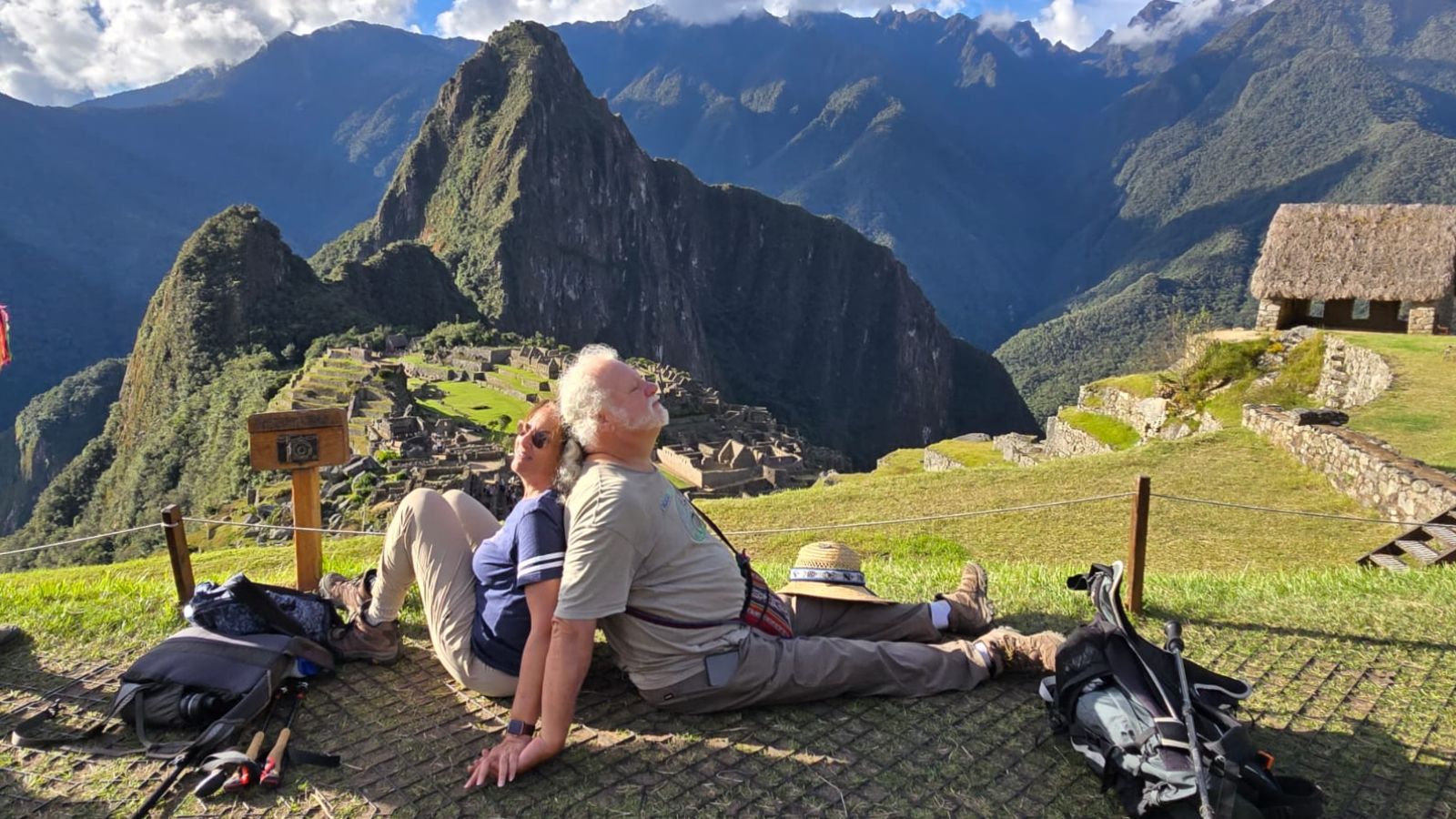
Yes, the Inca Trail can be well worth it for those who want to reach Machu Picchu on foot along the original Inca path, with history, archaeological sites, and a walking entrance through the Sun Gate. It is an experience where the journey matters just as much as the final destination.
It is also a decision that depends on your travel style. The physical demands, altitude, camping, and time required are not suitable for every traveler. The honest answer to whether it is worth it depends on what you expect from your trip.
What Makes It Worth It
The main value of the Inca Trail lies in what no other route offers all at once. It is not just about reaching Machu Picchu, but how you get there and what you experience along the way.
The Original Inca Path
The Inca Trail lets you walk along the same route the Incas used to reach the citadel. Walking on stone-paved sections and climbing stone stairways that are more than five hundred years old is an attraction that alternative routes do not offer.
This historical element is one of the strongest reasons to choose it. For many travelers, setting foot on the original path completely changes the meaning of the arrival.
Archaeological Sites Exclusive to the Route
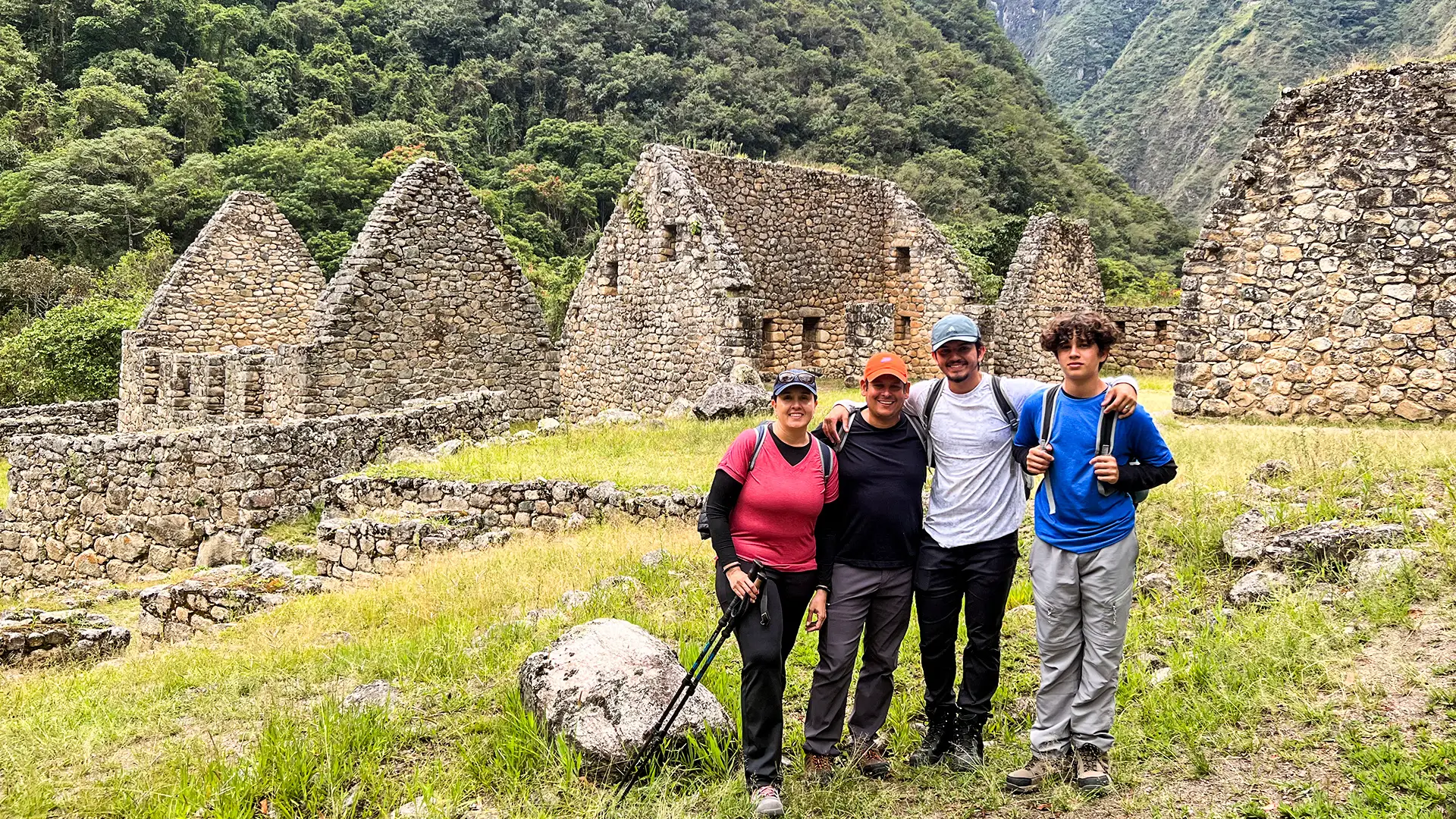
Along the way, you pass archaeological complexes that can only be visited from this trail. These ruins provide context about Inca organization before reaching Machu Picchu.
Those who arrive by bus or train do not have access to these sites. It is an added value that makes the journey a more complete experience than simply visiting the citadel.
Arriving Through the Sun Gate
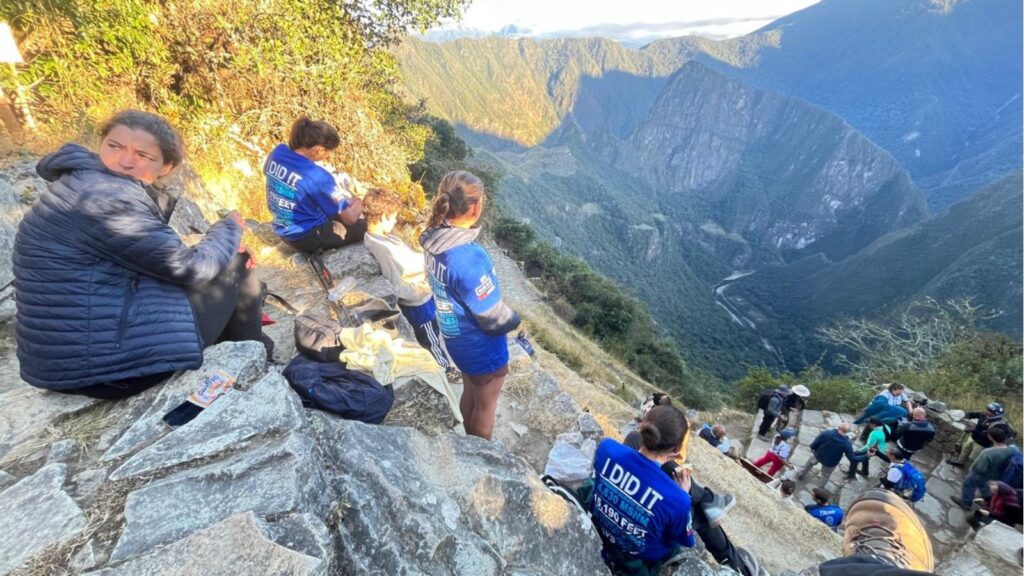
Entering Machu Picchu through Intipunku, after several days of hiking, is a moment reserved only for those who complete the route on foot. The first view of the citadel from this elevated point is difficult to match.
This way of arriving is one of the aspects most appreciated by those who complete the trek. The previous effort makes that moment feel different.
How to Assess Whether It Is Worth It for You
The best way to decide is to compare what the route offers with what you are looking for. There is no single answer; it depends on your priorities, your time, and your preparation.
Questions You Should Ask Yourself
Before booking, ask yourself whether you value the journey as much as the destination. On the Inca Trail, much of the experience lies in the trek itself, the archaeological sites that appear along the path, and the changing scenery—not just in arriving at Machu Picchu. If all that matters to you is seeing the citadel, the train may suit you better; but if the journey itself appeals to you, this route makes sense.
Also ask yourself whether you have enough days available. The Classic Inca Trail takes four full days, plus time to acclimatize in Cusco before setting out. Without that extra time, it is easy to end up rushed or suffer from altitude sickness during the hike. If your trip is short, the 2-day Inca Trail solves much of this issue.
Another key question is whether you are willing to prepare physically. You do not need to be an athlete, but you should arrive with a reasonable fitness base, especially for uphill sections and demanding passes such as Warmiwañusca on the full route. A few weeks of hiking or regular exercise before your trip can make a major difference.
It is also worth considering your tolerance for camping and cold weather. Nights on the trail are spent in tents, with temperatures dropping considerably before dawn and without hotel comforts. If that does not put you off and you are drawn to the historical aspect of walking the same route used by the Incas, the trek will probably be worth it for you. And if camping is what holds you back, remember that the short version allows you to sleep in a hotel in Aguas Calientes while still entering through the Sun Gate.
Comparing Other Routes to Machu Picchu
The Inca Trail is not the only way to reach the citadel. There are alternative routes with different scenery, difficulty levels, and comfort options, as well as the option of arriving by train.
Comparing these options allows you to make an informed choice. What matters is that your decision reflects what you are looking for, rather than the popularity of any particular route.
So, Is the Inca Trail Worth It?
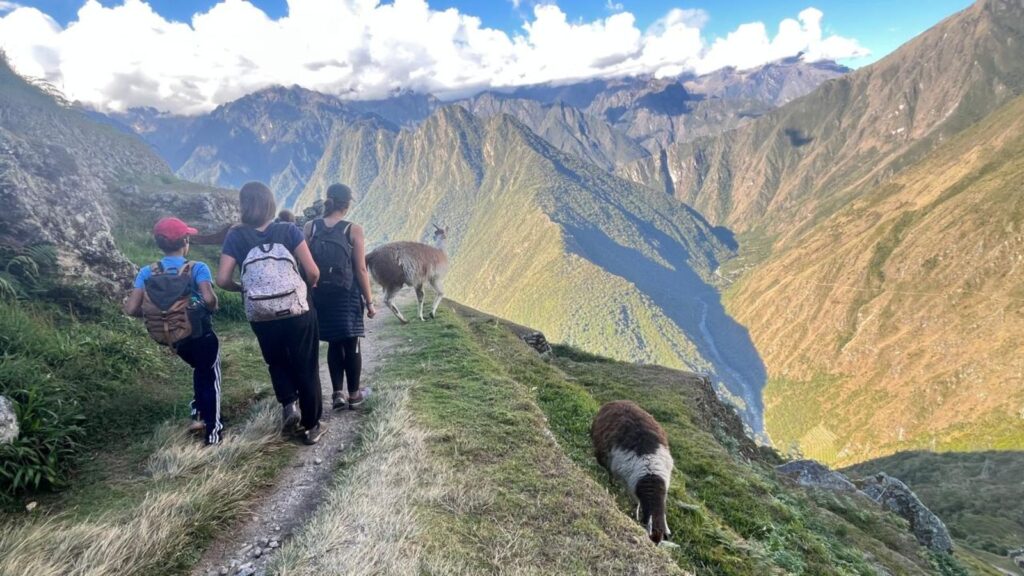
For prepared travelers who value history, effort, and a special arrival at Machu Picchu, the Inca Trail is usually well worth it. Its combination of the original path, archaeological sites, and entry through the Sun Gate makes it unique.
For those with limited time, who prioritize comfort, or who do not want to hike at high altitude, other ways of reaching the citadel may be better. Honestly assessing your expectations and preparation will give you the most useful answer.
Frequently Asked Questions
Is the Inca Trail worth it compared with arriving by train?
It depends on what you are looking for. The train is faster and more comfortable, while the Inca Trail offers the historic journey and entry through the Sun Gate. They are different experiences for different types of travelers.
Is the short two-day version worth it?
Yes, for those with limited time or who prefer not to camp. It retains the appeal of walking along the Inca path and entering through the Sun Gate, with much less effort than the classic route.
Is it worth it if I am not in good physical shape?
It can be worth it if you prepare in advance and acclimatize in Cusco. Without preparation, the physical demands can make the experience harder than expected, so it is best to assess it realistically.
Is the effort worth it just for arriving at Machu Picchu?
The value is not only in the arrival, but in the entire journey and the sites you visit. If you only want to see the citadel, a more direct option may suit you better.
Who Is It Usually Most Worthwhile For?
Travelers who enjoy trekking, history, and nature, and who see the journey as a central part of their trip. For them, the effort is usually more than worth it.