


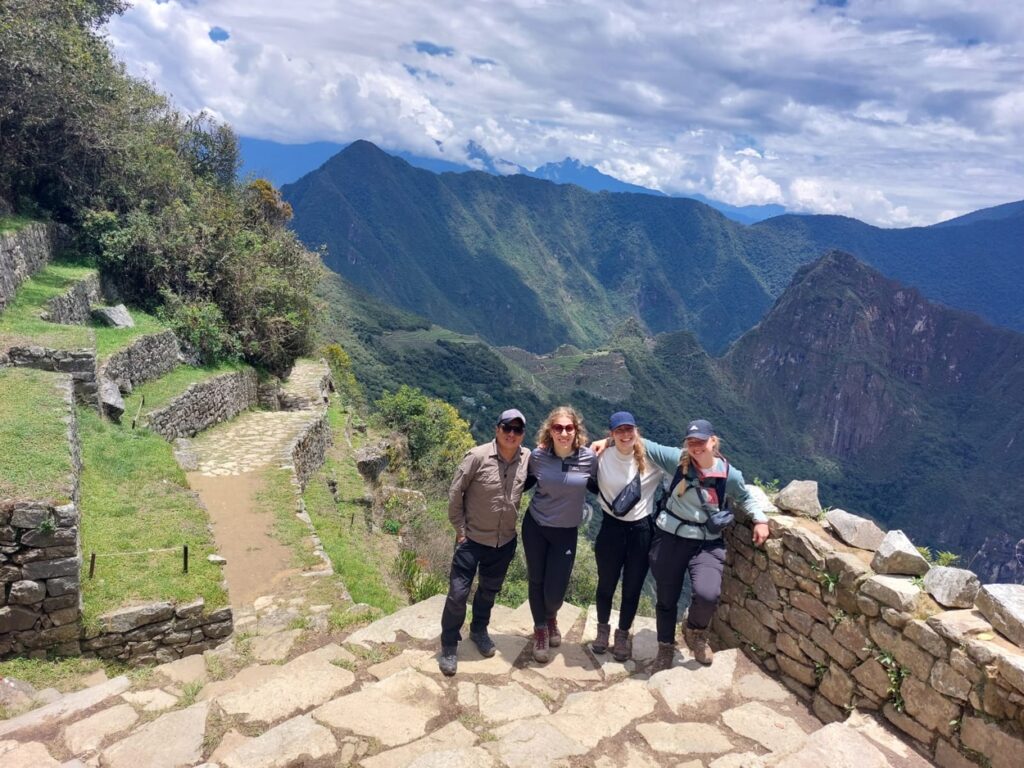
The Inca Trail is a network of stone paths built during the Inca Empire that now connects several archaeological sites before reaching Machu Picchu. It is Peru’s most sought-after trekking route because it combines history, archaeological remains along the way, and an on-foot arrival through the Sun Gate, something no other route offers.
It is not the only way to reach Machu Picchu, but it is the one that allows you to follow the original path used by the Incas. Demand is high and spaces are limited by government regulations, so you need to book several months in advance if you want to secure your spot.
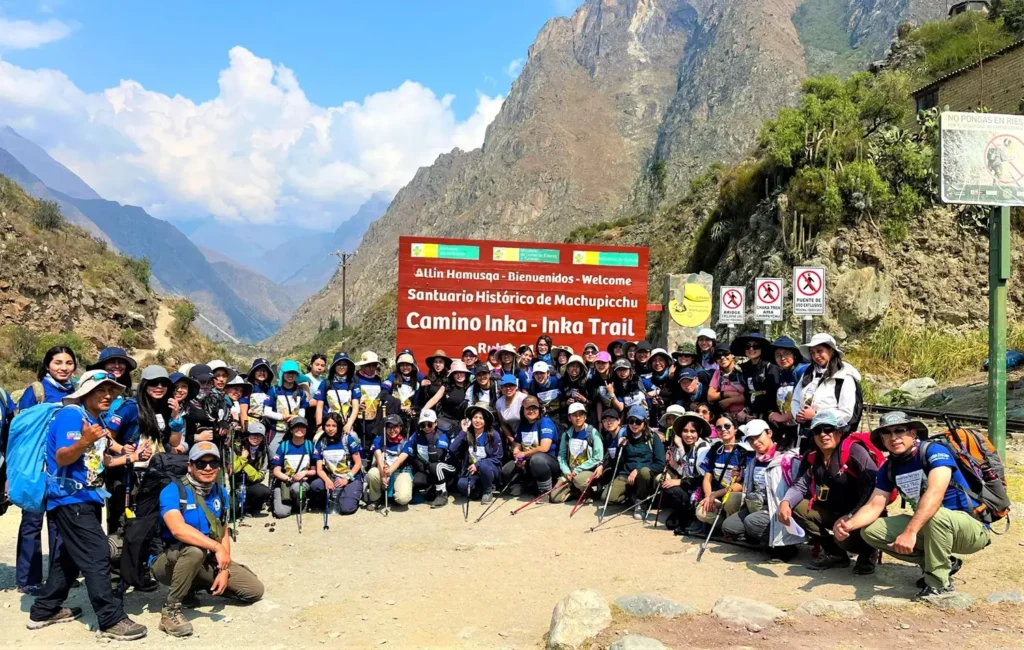
Why is it the most famous route to Machu Picchu?
The Inca Trail is the best-known route because it combines elements that no other option brings together at once: it is the Incas’ original path, it passes through archaeological sites that can only be seen from this trail, and it ends with entry to Machu Picchu through the Sun Gate. In addition, access is regulated, giving it an exclusive character compared with other alternatives.
Its fame does not depend solely on the final destination, but on the journey itself. Each day has its own value because of the archaeological remains, changes in altitude, and the feeling of walking along a route built centuries ago.
Which section is covered today as a tourist route
The Classic Inca Trail starts at kilometer 82 of the railway and covers around 43 kilometers to Machu Picchu. Along the way, it passes several archaeological sites and the highest mountain pass, located at more than 4,200 m above sea level.
There is also a short version that starts at kilometer 104 and is completed in two days. Both end at Machu Picchu, but the distance, effort, and sites visited differ depending on the option chosen.
Archaeological sites along the route
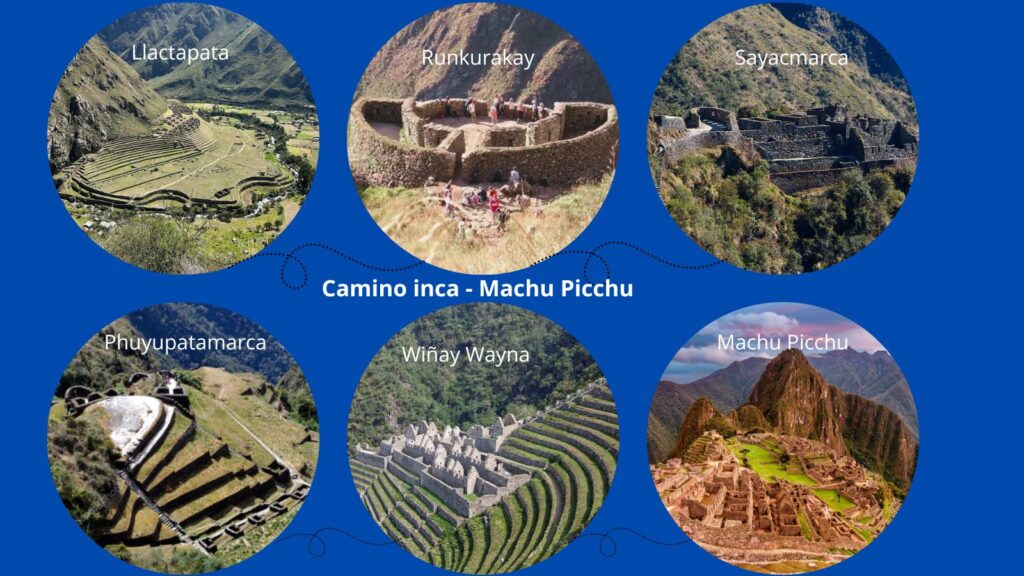
During the hike, you pass several archaeological complexes that cannot be visited on other routes to Machu Picchu. These include Llactapata, Runkurakay, Sayacmarca, Phuyupatamarca, and Wiñay Wayna, each with stone structures, terraces, and buildings that were part of the Inca system.
These sites provide a better understanding of the role the trail played during the Inca era. They are not merely rest stops along the route, but remains that show how the territory was organized before reaching the citadel.
Arrival through the Sun Gate
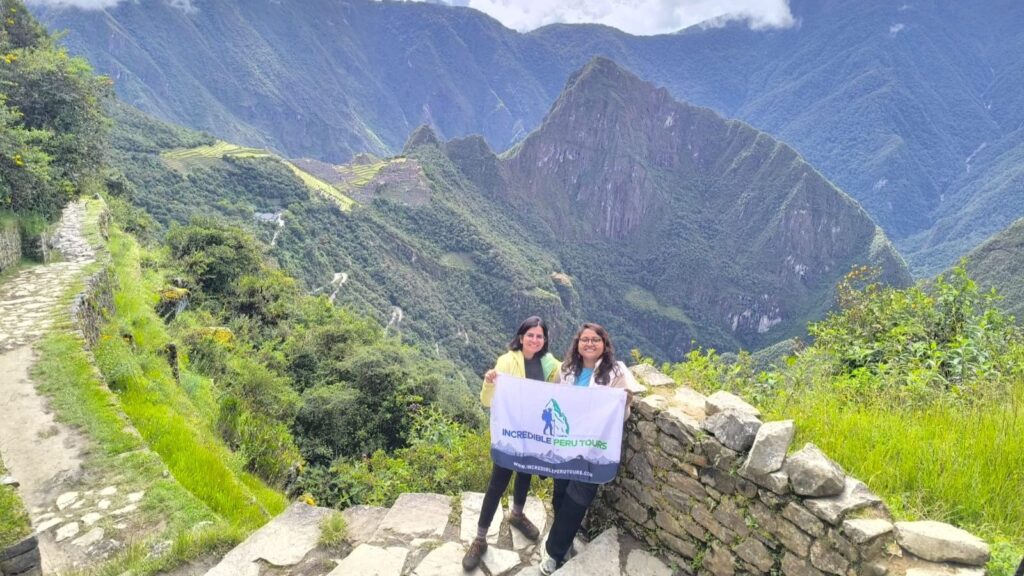
The Classic Inca Trail ends with entry to Machu Picchu through Inti Punku, known as the Sun Gate. From this point, you get your first view of the citadel from an elevated position after several days of hiking.
This way of arriving is exclusive to those who hike the route. Visitors who take the bus up from Aguas Calientes enter through another access point and do not pass through the Sun Gate, making this entrance one of the main highlights of the trek.
Regulated access with limited spaces
The government limits the number of people who can enter the Inca Trail each day, including guides, cooks, and porters. This control aims to protect the trail and archaeological sites from the wear caused by unrestricted traffic.
For this reason, spaces sell out months in advance, especially during high season. It is not possible to hike the Classic Inca Trail independently or buy a permit on the same day, so you need to plan your trip ahead of time.
How long is the Inca Trail and what distance does it cover?
The Inca Trail has two main versions. The classic route lasts four days and covers about 43 kilometers, while the short route is completed in two days over a much shorter distance. The choice depends on your available time, fitness level, and the type of experience you are looking for.
Classic 4-day Inca Trail
The four-day route covers the full 43 kilometers from kilometer 82 to Machu Picchu. It includes the highest pass, most of the archaeological sites, and three nights of camping along the way.
It is the most demanding and also the most complete version. It requires good physical preparation and prior acclimatization, as the days are long and you hike at high altitude for several consecutive days.
Short 2-day Inca Trail
The short version starts at kilometer 104 and is completed in two days. It allows you to hike a section of the original trail and reach Machu Picchu through the Sun Gate, but with much less effort than the classic route.
It is an alternative for travelers with limited time or those who prefer not to camp. Even so, it retains the appeal of hiking the Inca trail and entering the citadel on foot, without needing the four days required for the full route.
What do you need to hike the Inca Trail?
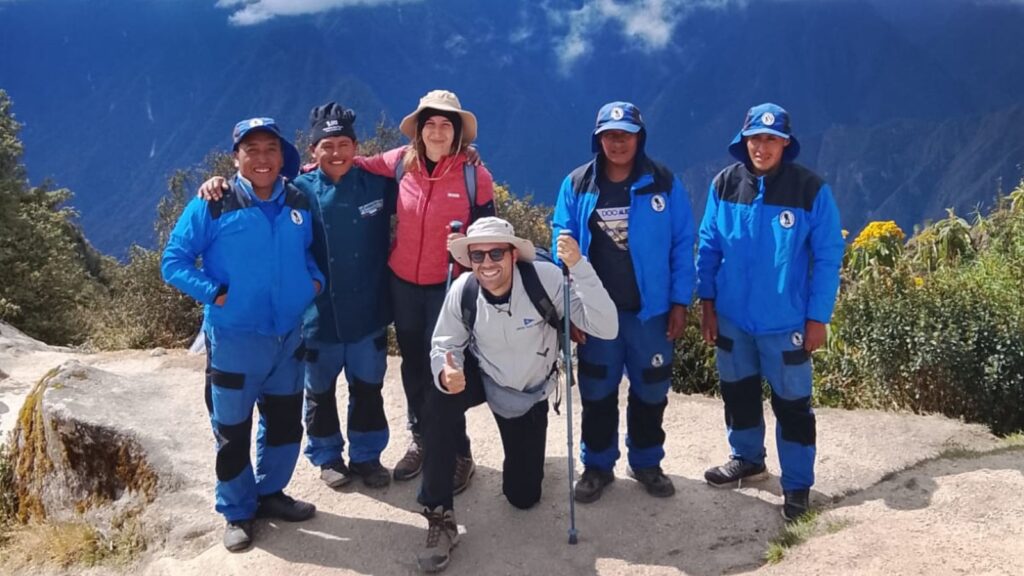
To hike the Inca Trail, you need an official permit, to book through an authorized agency with a guide, and to reserve in advance. It is not a route that can be hiked freely, and failing to meet these requirements prevents entry to the trail.
Permit and advance booking
The Inca Trail permit is personal, limited in number each day, and arranged through an authorized agency. It is recommended to book several months in advance, especially if you plan to travel during high season, as spaces sell out quickly.
If you need help checking space availability, departure dates, or arranging your permit reservation, the team at Incredible Peru Tours can advise you on the options available for the month you wish to travel.
Mandatory official guide
It is not permitted to hike the Classic Inca Trail without a guide. Regulations require all groups to be accompanied by an authorized guide, ensuring compliance with conservation rules for the trail and archaeological sites.
In addition to the guide, most programs include porters and cooks who handle the equipment and meals during the trek. This is part of the booked service and is also regulated within the daily limit of people.
Inca Trail closure in February
Every year, the Classic Inca Trail closes throughout February for trail maintenance and cleaning work. During this period, it is not possible to hike the four-day route, although Machu Picchu remains open and can be reached by other means.
If your trip falls in February, consider the short version of the trail, which is not always affected by the closure, or another alternative route to the citadel. Planning with this date in mind helps avoid last-minute itinerary changes.
What difficulty level is the Inca Trail?
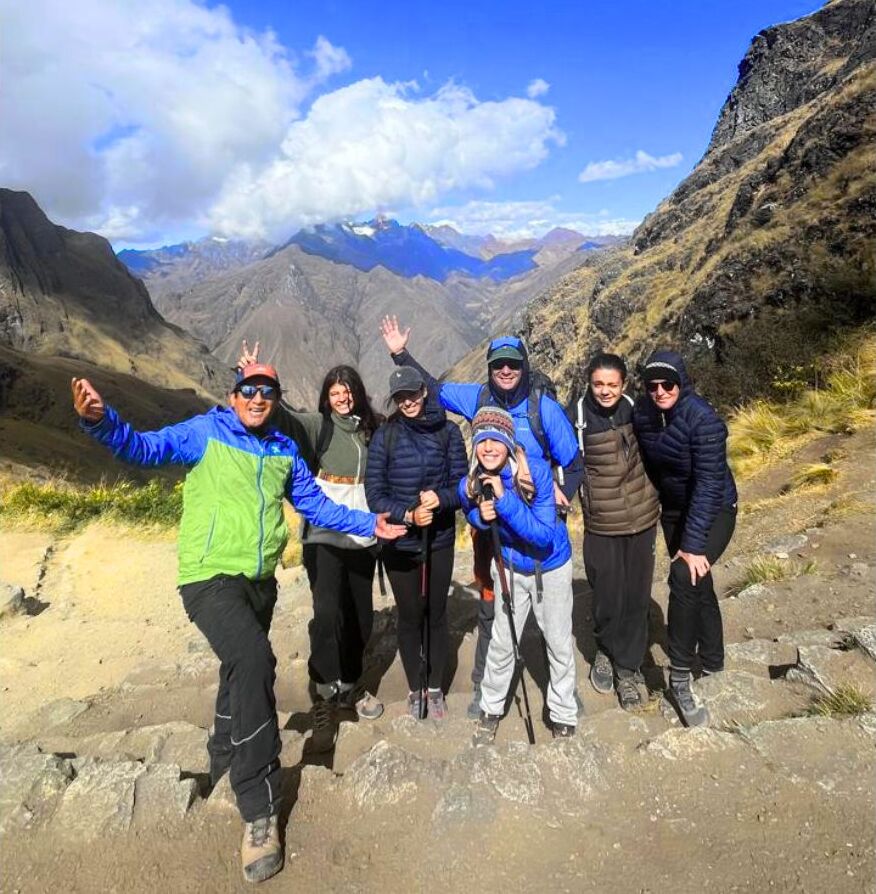
The Classic Inca Trail is considered moderately to highly difficult. The challenge comes from the altitude, long days, and stone stairway sections that test your legs both uphill and downhill.
The highest point on the route is Dead Woman’s Pass, located above 4,200 m above sea level. This section, crossed on the second day, is the hardest part of the trek and requires the greatest effort. For this reason, it is recommended to spend at least two or three days acclimatizing in Cusco before starting the hike, allowing your body to adjust to the altitude and making the trek more manageable.

What is the best time to hike the Inca Trail?
The dry season, which runs approximately from May to September, usually offers better hiking conditions due to the lower chance of rain. It is also the busiest period, so spaces sell out further in advance and it is advisable to book several months ahead.
During the rainy season, from November to March, the paths can be wet and slippery, and visibility changes throughout the day. In addition, the February closure rules out that month for the classic route. The advantage of this season is fewer visitors and greener vegetation.
How do you reach Machu Picchu via the Inca Trail?
The trek is completed entirely on foot from the starting point to Machu Picchu. On the classic route, the final day involves hiking from the last campsite to the Sun Gate, from where you descend to the citadel for a guided visit.
After visiting Machu Picchu, the return is usually by bus to Aguas Calientes and then by train back to Cusco or the Sacred Valley. This part varies according to the program booked, so it is advisable to check how the final day is organized before reserving.
So, why choose the Inca Trail to reach Machu Picchu?
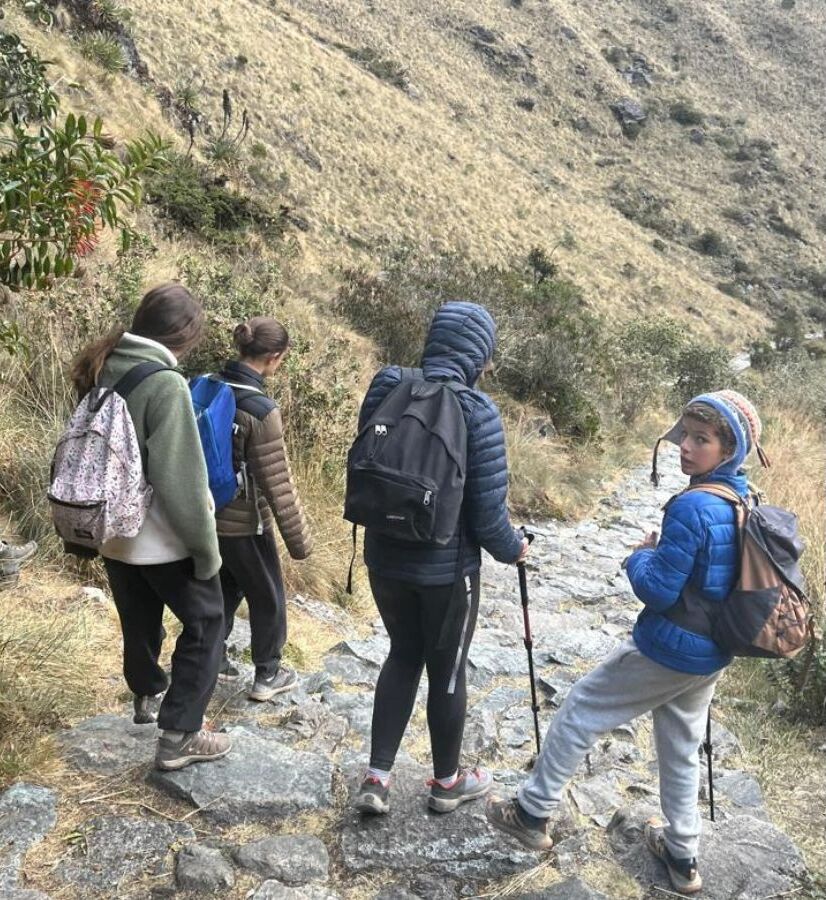
The Inca Trail is worthwhile for travelers who want the journey to be a central part of their visit to Machu Picchu. Hiking the original trail, passing archaeological sites that cannot be seen any other way, and entering the citadel through the Sun Gate are reasons why it remains the most famous route.
It is not the best option for everyone. If you have limited time, prefer greater comfort, or do not want to hike at altitude for several days, there are other ways to reach Machu Picchu. Assessing your time, preparation, and the type of experience you want will help you decide whether this route is right for your trip.
Frequently asked questions about the Inca Trail
What exactly is the Inca Trail?
It is a section of the Qhapaq Ñan, the Inca Empire’s network of roads, which is now hiked on foot to Machu Picchu. It preserves original stone structures and passes several archaeological sites along the way.
Why is the Inca Trail so famous?
Because it is the Incas’ original route to Machu Picchu, it passes archaeological sites exclusive to this trail, and it ends with entry through the Sun Gate. Regulated access and limited spaces also contribute to its reputation.
Do you need a permit to hike the Inca Trail?
Yes. The permit is mandatory, personal, and limited each day. It is arranged through an authorized agency and must be booked several months in advance, especially during high season.
How many days does the Inca Trail take?
The classic route lasts four days and covers around 43 kilometers. There is also a shorter two-day version that starts at kilometer 104 and requires much less effort.
Does the Inca Trail end at Machu Picchu?
Yes. Both versions end at Machu Picchu. On the classic route, you enter through the Sun Gate after the final hiking section, followed by a guided visit of the citadel.
Is the Inca Trail difficult?
It is moderately to highly difficult because of the altitude and long days. With physical preparation and a few days of acclimatization in Cusco, many people can complete it without being experienced athletes.