


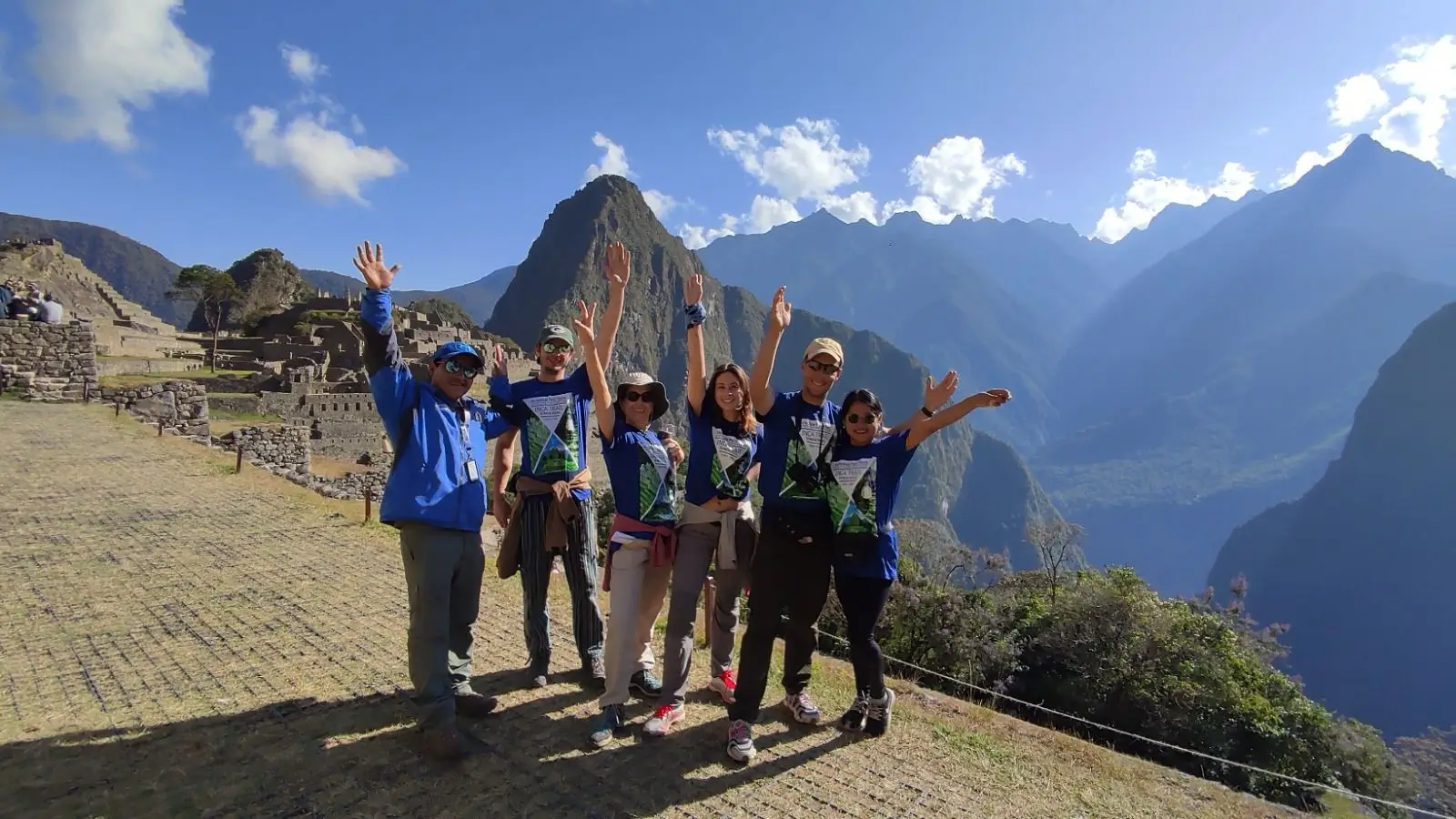
When people talk about the Inca Trail, three different options are often confused: the classic four-day trek, the short two-day trek, and so-called alternative routes such as Salkantay or Lares. They are not all the same, and understanding their differences helps you choose the one that best suits your time, fitness level, and expectations.
The distinction matters because the classic and short treks follow the original Inca path, while the alternatives are other trekking routes that also reach Machu Picchu, but via different trails. Here is what each one involves and how they truly differ.
Classic 4-Day Inca Trail
The Classic Inca Trail is the best-known, most complete, and most demanding version of this route. It covers approximately 43 kilometers from kilometer 82 to Machu Picchu, includes three nights of camping, and passes through some of the most important landscapes and archaeological sites along the ancient Inca trail.
What makes it unique
What sets it apart is that you hike almost the entire traditional route. Over the four days, travelers cross different ecosystems, including Andean valleys, mountain areas, and cloud forests. They also visit several archaeological complexes, including Llactapata, Runkurakay, Sayacmarca, Phuyupatamarca, and Wiñay Wayna.
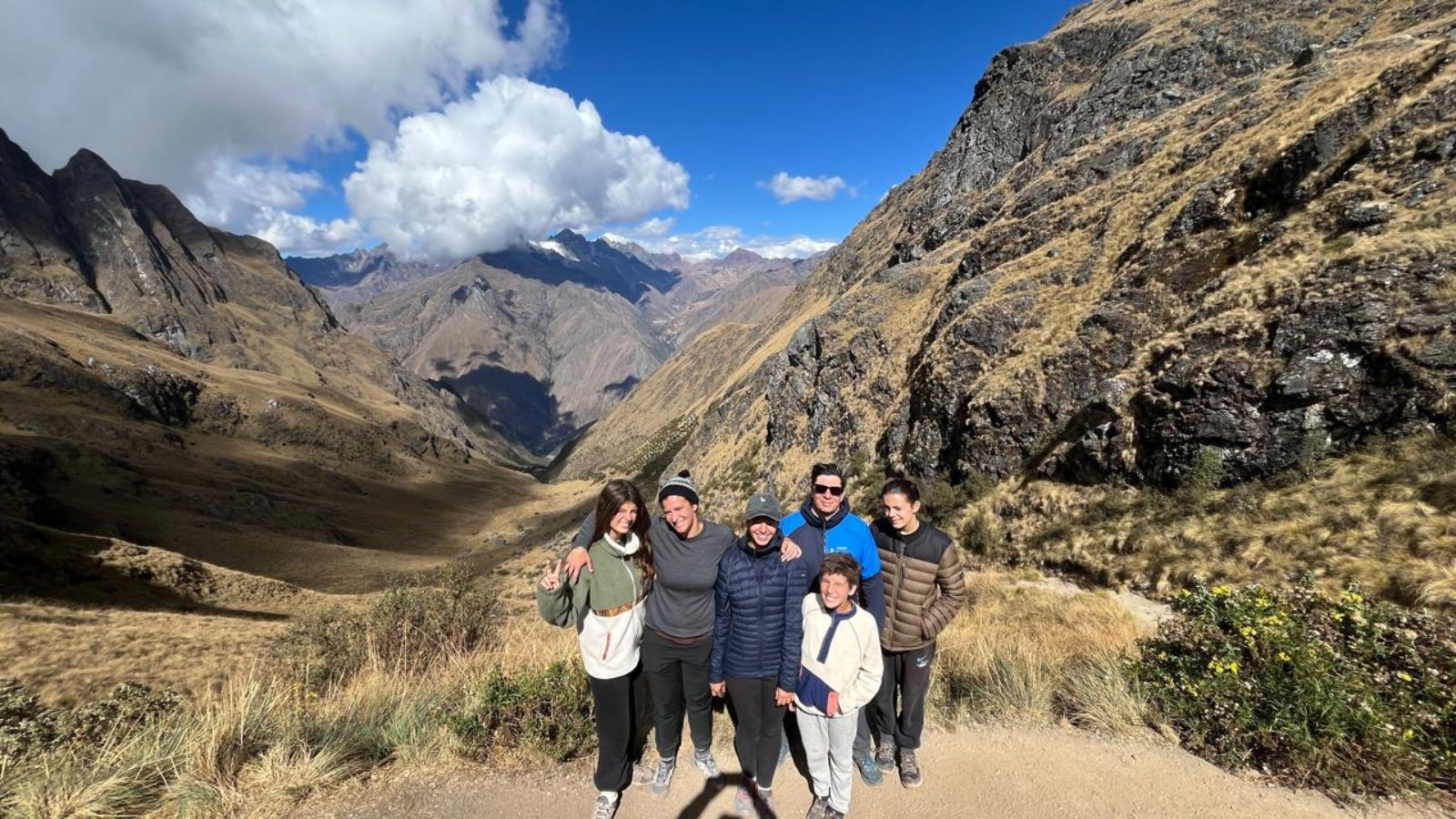
The toughest moment is the ascent to Warmiwañusca, known as Dead Woman’s Pass, located at approximately 4.200 m above sea level. This is the highest and most challenging point on the route, so good physical preparation and proper acclimatization are required.
The 4-day Inca Trail lets you experience the complete original trail: hiking for several days, camping in the mountains, crossing high passes, and discovering a wider variety of landscapes. The route ends with entry to Machu Picchu through the Sun Gate after four days of hiking.
Who it is suitable for
It is recommended for travelers with enough time, a good fitness level, and a desire for a more complete adventure experience. It is also ideal for those who enjoy camping, long hikes, and high-altitude challenges.
It is recommended to spend at least two or three days in Cusco before starting the route to acclimatize. It is generally not the best option for people with limited time, low tolerance for altitude, or a preference for avoiding camping.
Compared with the 2-day Inca Trail, this option requires more physical effort, more time, and better preparation, but it offers a far more complete cultural, archaeological, and scenic experience.
Short 2-Day Inca Trail
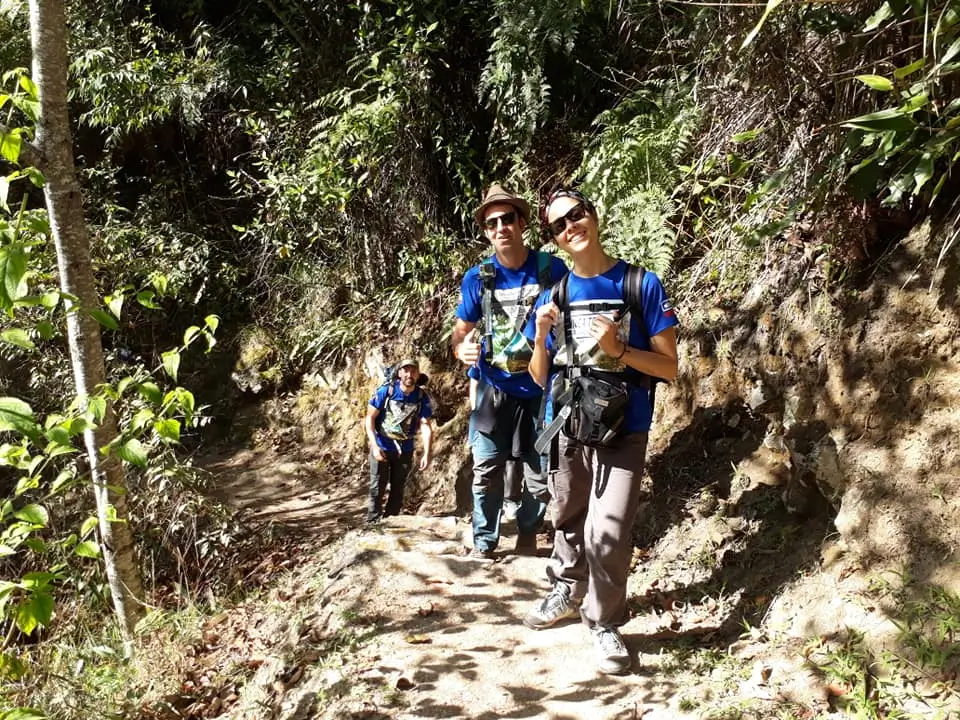
The short version of the Inca Trail follows a section of the original path, but starts at kilometer 104 and is completed in two days. It is designed for travelers who want to hike the Inca Trail without taking on the demands of the full four-day trek. It preserves the essence of the experience—the Inca stone-paved trail, the lush high-jungle vegetation, and the final arrival at Machu Picchu—but condenses it into one day of hiking and one night of rest.
How the trek unfolds
The first day begins with a train journey from Ollantaytambo or Cusco to kilometer 104, where the hike starts. From there, the trail gradually climbs to the archaeological site of Wiñay Wayna, one of the best-preserved complexes of Inca terraces and structures along the entire route, with views over the Urubamba Valley. After this stop, the trail continues to the Sun Gate, or Inti Punku, the original entrance where you get your first panoramic view of Machu Picchu in the late afternoon.
Instead of camping, you spend that night in a hotel in Aguas Calientes, the town at the foot of the mountain. This is an important difference from the classic trek, as you rest in a bed, with a hot shower and dinner at a restaurant, rather than in a tent. The next day, you head up early to Machu Picchu for a guided tour of the citadel, without having to tackle another long hike.
Practical tip: km 104 is not a station as such. It is a trackside stop, with no platform or sign, and the train stops for only a few minutes. It is best to have your backpack ready and get off quickly, because it will not wait. It is a detail that often catches first-time hikers by surprise.
What makes it unique
It covers a much shorter distance than the classic trek, around twelve kilometers in total, and does not include camping, as the only night is usually spent in a hotel in Aguas Calientes. Even so, it follows part of the original trail and enters Machu Picchu through the Sun Gate, the same ceremonial access used by hikers on the full route.
The physical effort is considerably lower than on the classic trek, although the day still includes uphill sections that require a basic fitness level and prior acclimatization to Cusco’s altitude. It retains the appeal of walking on the Inca trail and reaching Machu Picchu on foot rather than by bus. It is a condensed version of the experience, with fewer days and less difficulty, but the same symbolic finish.
Who it is suitable for
It is a great option for travelers with limited time, less physical preparation, or those who prefer not to camp. It allows you to experience part of the original trail without committing several days of your itinerary, which is useful for those combining Machu Picchu with other destinations in the country on a short trip.
It is also a good fit for those who want to enter through the Sun Gate without facing the toughest days of the classic trek, as well as families or groups with different hiking paces. It does not offer the full four-day experience, with no campsites or mountain passes such as Warmiwañusca, but it is an accessible version that preserves the route’s most memorable highlights.
Practical considerations
Like the Classic Inca Trail, this route must be booked in advance, as access to the trail is limited by daily quotas controlled by the Ministry of Culture. The permit is arranged through an authorized agency and requested using your passport number. Booking several months ahead is advisable, especially between May and September, the busiest season. The trail remains closed in February for maintenance and because of the rains.
Alternative Routes: Salkantay, Lares and Others
So-called alternative routes do not follow the original Inca trail, but rather other paths that also reach Machu Picchu. They are inaccurately grouped under the term “Inca Trail,” but they are different treks with their own characteristics.
What makes them unique
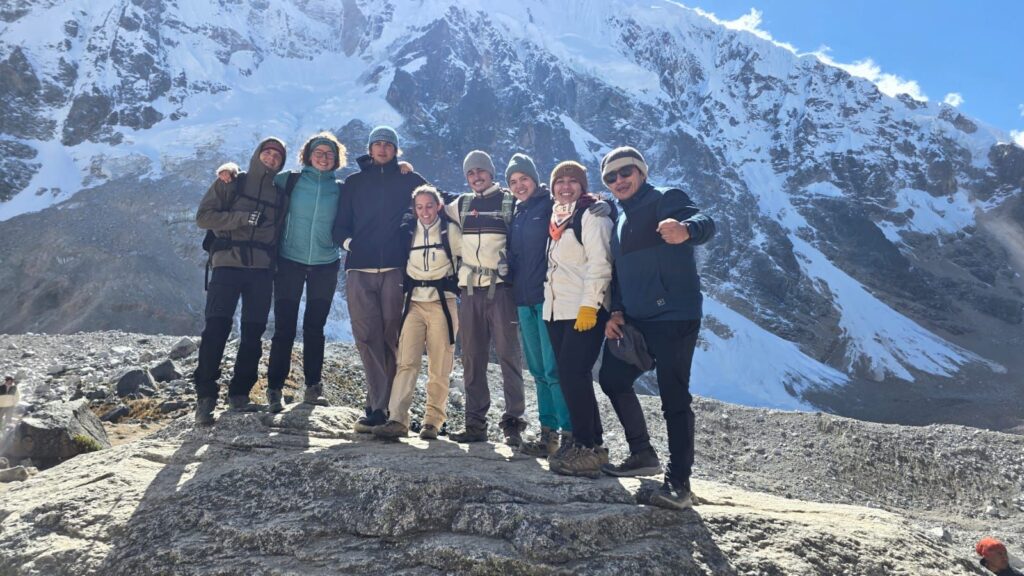
These routes stand out for their natural scenery and for crossing areas different from those on the classic trail. Salkantay, for example, combines snow-capped mountains, lakes, and sections of denser vegetation along the way.
Unlike the Classic Inca Trail, they do not always enter Machu Picchu through the Sun Gate or pass through the same archaeological sites. Their value lies more in the natural surroundings than in the trail’s historical component.
A key difference: they do not require an Inca Trail permit
Since they do not follow the regulated trail, these routes do not depend on the limited Inca Trail permit. This makes them an option when spaces on the classic trek are sold out or when the route is closed in February.
This feature gives them greater flexibility for booking with less advance notice. Even so, planning ahead is advisable, especially during high season.
Who they are suitable for
They are ideal for travelers who prioritize natural scenery over the archaeological component, or who were unable to secure a spot on the Classic Inca Trail. They are also suitable for those seeking a trek with a different profile.
They are not the right option for travelers who specifically want to hike the original Inca trail. In that case, only the classic or short trek meets that goal.
Comparison Table of the Three Options
| Feature | Classic 4 Days | Short 2 Days | Alternatives (Salkantay, Lares) |
|---|---|---|---|
| Original Inca trail | Yes, full route | Yes, one section | No |
| Duration | Four days | Two days | Varies, several days |
| Camping | Three nights | None | Depending on the route |
| Limited Inca Trail permit | Yes | Yes | No |
| Entry through the Sun Gate | Yes | Yes | Not always |
| Main focus | History and archaeology | Accessible version of the classic trek | Natural scenery |
How to Choose Between the Three
The choice depends on three main factors: the time you have available, your fitness level, and whether you are more interested in the historical component or natural scenery. With these three points clear, the decision almost makes itself.
If you want to hike the full original trail and have the time and preparation, the classic trek is the answer. If you only have a few days, the short trek is a better fit. And if you prioritize scenery or there are no permits available, alternative routes are the most flexible option.
Frequently Asked Questions
Is Salkantay a type of Inca Trail?
Not in the strict sense. Salkantay is an alternative route that reaches Machu Picchu by another path, not via the original Inca trail. It is inaccurately grouped under the term.
What is the main difference between the classic and short trek?
The classic trek covers the full 43 kilometers over four days with camping, while the short trek covers a section of the same trail in two days without camping. Both end at Machu Picchu through the Sun Gate.
Which option should I choose if there are no spaces on the classic trek?
You can consider the two-day short trek, if it still has availability, or an alternative route such as Salkantay, which does not depend on an Inca Trail permit. The choice will depend on your priorities.
Do alternative routes enter through the Sun Gate?
Not always. Since they do not follow the original trail, many enter Machu Picchu through another access point. This is one of the details worth confirming according to the tour program you book.
Which option is the most challenging?
Among the routes that follow the Inca trail, the four-day classic trek is the most demanding because of the altitude and long hiking days. Some alternative routes can also be very challenging depending on their profile and duration.